


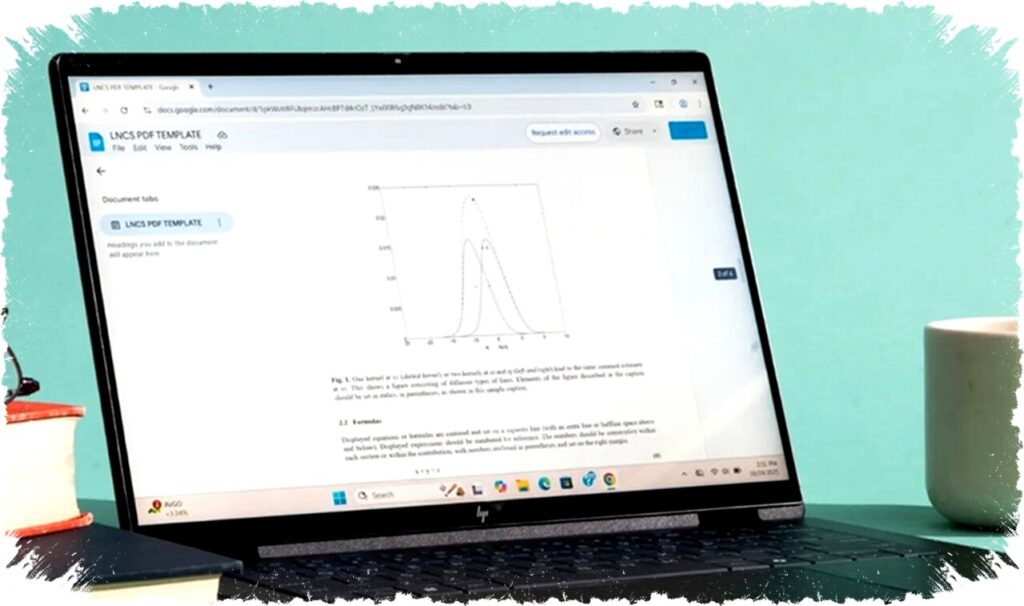
Supporting student learning activities requires reliable laptops. Choosing the right laptop depends on factors such as price, performance, battery life, and portability. Prioritizing user-friendly features and adequate port selections is also critical to meet the needs of students who carry their devices throughout the day.
In typical scenarios, the best laptops for students vary from simple Chromebooks to portable Windows laptops or MacBooks. The choice should align with students’ workload and study requirements. Essential qualities include long battery life for classroom and study flexibility, lightweight and slim design for easy transport, and sufficient performance for completing academic tasks.
Key Factors for Student Laptops
There are three main criteria for a suitable student laptop. First is a battery that lasts long enough to support hours of study and online classes without frequent recharging. Second is a lightweight, slim build for convenience during daily commutes or campus life. Third is a performance level adequate for multitasking on school assignments, presentations, and research.
7 Recommended Laptops for Students
-
Advan Soulmate Celeron N4020
This laptop features an Intel Celeron N4020 processor with speeds up to 2.8 GHz. It is equipped with 4GB of RAM and 128GB of storage, sufficient for routine school tasks and lightweight software. Priced around $170, this model offers entry-level functionality suitable for budget-conscious students. -
Lenovo IdeaPad Slim 1 Intel Celeron N4020
Powered by the same Intel Celeron N4020, this laptop includes a larger 8GB RAM and 256GB internal storage. It is designed for basic multitasking and can store varied file types with fast access speeds. Its 720p webcam supports online classes, with prices near $335, making it a mid-tier option for students seeking reliable daily use. -
Axioo Mybook Hype 3 Intel Core i3-1005G1
This model employs an Intel Core i3 processor capable of reaching 3.4 GHz, alongside 8GB RAM and 256GB storage. It supports smooth multitasking and basic graphic tasks through Intel UHD Graphics. Offered at about $300, it balances performance and affordability. -
HP 14S-DQ3109TU Celeron N4500
Equipped with an Intel Celeron N4500 processor and 8GB of RAM, this laptop features 256GB internal storage and runs Windows 11 Home Single Language. Its lightweight design enhances portability, and price estimates are approximately $310. The configuration suits everyday school tasks efficiently. -
Acer Aspire Lite Intel N100
Known for affordable computing, this Acer model includes an Intel N100 processor with 3.4 GHz speed, 8GB RAM, and SSD storage of 256GB. This combination ensures stable operation for internet research, document editing, and casual use. Prices start around $335, fitting well within a student budget for an entry-level laptop. -
Lenovo V14 G3-IAP Intel Core i3-1215U
This laptop’s Intel Core i3 processor peaks at 4.4 GHz, offering faster processing for academic projects. With 4GB RAM and 256GB internal storage, it can accommodate multiple files and light media editing. Its anti-glare technology helps reduce eye strain during long study sessions. The price is near $370. - Acer Aspire GO 14 i3-N305
Equipped with an Intel Core i3 N3505 processor, this model features a high RAM capacity of 16GB and 512GB storage, optimizing multitasking and file management. It also includes Acer ComfyView technology to protect against eye fatigue and supports up to 10 hours of battery life with a 50WH battery. Pricing starts at approximately $400, reflecting advanced features suitable for demanding academic use.
Each of these laptops aligns with essential educational needs like portability, battery endurance, and reliable performance. They vary primarily by processor power, memory, and storage capacity, allowing students to select a model that fits their academic requirements and budget constraints.
Considering the diversity of student tasks—from note-taking and research to multimedia projects—selecting a laptop with balanced performance and affordability is crucial. Budget models support basic tasks efficiently, while higher-tier options provide extended capabilities for multitasking and multimedia applications.
By prioritizing features such as long-lasting batteries, lightweight design, and adequate computing power, students can enhance their learning experiences and maintain productivity across various study environments.