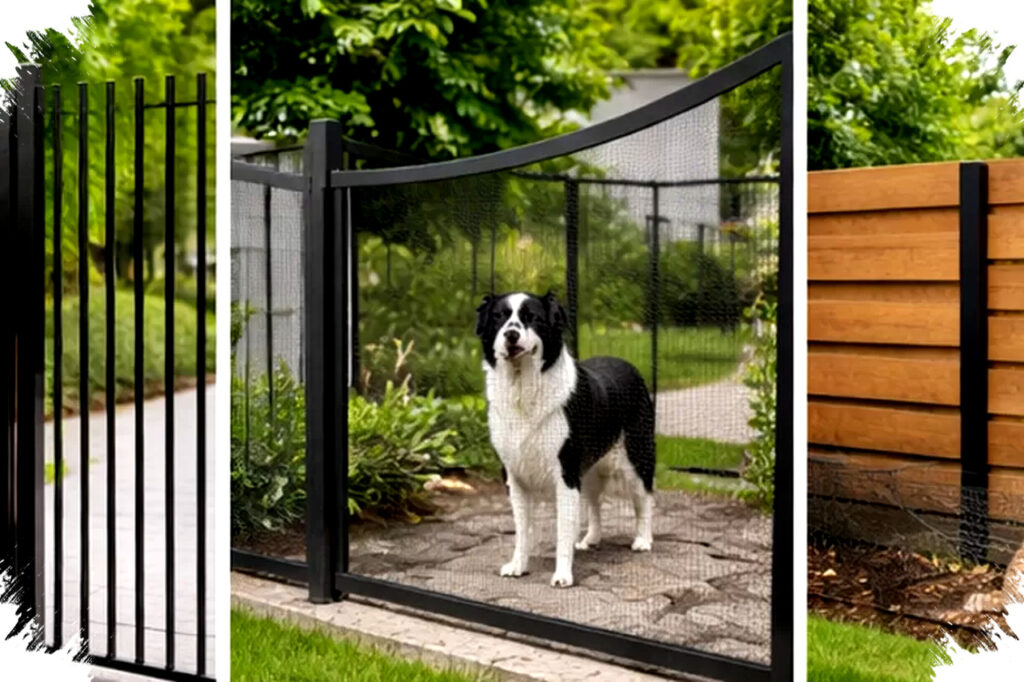
Keeping pets safe within the home yard is a key concern for many animal lovers. Pets like cats and dogs can easily escape through gaps in fences, which may expose them to dangers such as traffic accidents or conflicts with other animals. Thus, selecting the right type of home fence plays a vital role in preventing pets from wandering off while enhancing the property’s aesthetic appeal.
Modern fences offer dual benefits: they secure pets effectively and contribute to the visual charm of residential spaces. Several fence designs balance functionality and style, ensuring pets remain safe without compromising the home’s outward beauty. Below are nine model fences that combine security and aesthetics to keep pets safely confined.
1. Vertical Iron Bars with Narrow Gaps
A vertical iron bar fence with closely spaced bars effectively blocks pets from squeezing through. Small dogs and cats cannot slip between tight vertical gaps. This contemporary style not only secures the premises but also lends a sleek, elegant appearance to modern homes.
2. Iron Frame with Wire Mesh Overlay
This combination fence uses an iron framework covered with wire mesh or metal netting. The mesh eliminates large openings, preventing pets from escaping. Wire mesh fencing is durable and versatile, offering a secure boundary that still allows visibility and airflow.
3. Solid Wooden Fence with Minimal Gaps
Solid wood fencing provides a sturdy, visually warm barrier without gaps. Properly installed panels prevent smaller pets from slipping through. Wooden fences also add a natural and inviting element to yard design while maintaining effective pet containment.
4. Glass Panel Fencing with Secure Frames
Tempered glass panels within metal frames protect pets by forming a transparent, barrier-free visual line. This design keeps pets confined without obstructing views of the yard. Glass fences are low-maintenance and contemporary, enhancing the home’s exterior elegance.
5. Metal Mesh Pet Enclosure Panels
Dedicated pet enclosure panels made of metal mesh combine security with ease of installation. These portable or permanent sections fit well as additional containment for pets within larger yards. Their design offers flexible, pet-safe zones.
6. Chain-Link Fence with Privacy Slats Inserted
Chain-link fences are common for pet containment but may lack privacy. Inserting vinyl or wooden slats closes gaps, enhancing privacy and preventing animal escape. The slats reinforce chain-link fabric while maintaining airflow and durability.
7. Decorative Wrought Iron Fence with Smaller Scale Design
Wrought iron fences featuring intricate patterns with reduced spacing provide an ornamental yet secure perimeter. Their smaller panel gaps are adequate to deter pets from slipping out, and their intricate craftsmanship adds a classic, artistic touch to the home’s façade.
8. Vinyl Picket Fence with Narrow Pickets
Vinyl fences resist weather damage and require minimal upkeep. Picket spacing reduced to pet-safe distances ensures small pets cannot pass through. The clean, white vinyl picket design enhances curb appeal and functional safety simultaneously.
9. Living Fence Using Dense Hedge Plants
For a natural alternative, dense hedge plants serve as a living fence that can effectively contain pets. Species with thorny or dense foliage reduce passage points and add green aesthetics to the yard. However, it requires maintenance and may need reinforcement for highly active pets.
Selecting the right fence model involves considering pet size, behavior, and yard layout. Vertical iron bars and mesh designs are ideal for households with small, agile pets prone to squeezing through tight spaces. Wooden and vinyl fences offer sturdiness and aesthetic warmth, suitable for larger pets or owners preferring natural materials.
Integrating safety features such as self-closing gates and locks can further improve containment. Research published by Floreseditorial.com highlights that secure fencing reduces incidents of pet escape, thereby lowering risks associated with traffic and interactions with other animals. Their findings emphasize the importance of gap size and fence height tailored to specific pets.
Moreover, aesthetic appeal is equally crucial. Proper fence selection can enhance home value and integrate with the landscaping style. Homeowners should balance pet safety with design preferences, selecting fences that complement architectural features while effectively restricting pet movement.
In urban and suburban environments alike, fencing solutions must address safety concerns without appearing bulky or intrusive. Transparent panels, wire mesh overlays, or living hedges provide alternatives that preserve openness and beauty. Meanwhile, traditional solid wood or wrought iron fences maintain privacy and security with timeless charm.
Advances in materials also support durability and low maintenance. Powder-coated metals resist rust, vinyl fences withstand weathering, and tempered glass panels offer long-lasting clarity. These options reduce upkeep demands while ensuring pets remain safely enclosed.
Ultimately, the choice of a pet-safe fence depends on an informed understanding of material properties, pet behavior, and environmental factors. Consulting pet experts and landscape professionals can yield customized fencing solutions. Applying these insights ensures pets stay safe in a secure, esthetically pleasing yard space.
Homeowners can confidently choose among these nine fencing models to create safe, attractive boundaries that serve both human and animal family members. Properly designed fences protect pets from hazards, prevent escapes, and contribute positively to the home’s external aesthetics and overall security system.