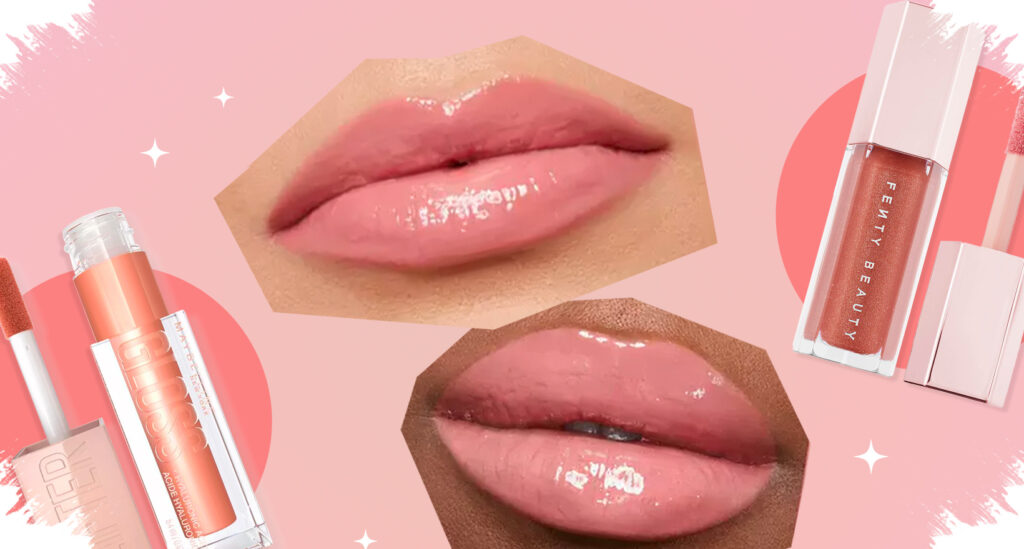
Indonesia’s lip gloss market is becoming more competitive as global names and local labels fight for consumer trust. Based on Top Brand Award data, Maybelline leads the category with a Top Brand Index of 23.4%, making it the strongest lip gloss brand in Indonesia going into the next buying cycle.
The ranking also shows a clear shift in consumer preferences, with local brands now holding a stronger position than in many beauty categories. Make Over, Wardah, and La Tulipe all appear in the top tier, signaling that Indonesian consumers are increasingly confident in homegrown cosmetics that combine performance, shade variety, and halal or skin-conscious positioning.
Top 10 Lip Gloss Brands in Indonesia
- Maybelline — 23.4%
- Make Over — 13.4%
- Wardah — 12.6%
- La Tulipe — 11.4%
- L’Oréal — 8.5%
- Nivea — 6.6%
- Revlon — 5.1%
- Oriflame — 3.2%
- Ultima II — 3.1%
- Etude — 2.9%
Maybelline’s lead is significant because it sits well ahead of the rest of the field. As a brand under L’Oréal Group, it benefits from strong global recognition, broad retail distribution, and product lines that are often easy to access across mass and modern trade channels.
Local Brands Are Closing the Gap
Make Over ranks second with a 13.4% Top Brand Index, making it the highest-ranked Indonesian brand in the list. The brand is part of PT Paragon Technology and Innovation, the same company behind Wardah and Emina, and its result suggests that premium-leaning local beauty products continue to gain traction.
Wardah follows closely at 12.6%, reinforcing Paragon’s strong footprint in the market. Wardah is widely known as a pioneer of halal cosmetics in Indonesia, and its presence near the top reflects how brand values, product reliability, and consumer familiarity can influence lip gloss purchasing decisions.
La Tulipe also stands out at fourth place with 11.4%. Produced by PT Rembaka, the brand remains relevant in a market that is increasingly crowded, which indicates that long-standing local brands can still compete when they maintain product visibility and consumer trust.
Why the Ranking Matters
The Top Brand Award survey uses 8,500 respondents interviewed face to face with structured questionnaires. The method measures three indicators: top of mind, last usage, and future intention, which means the ranking does not only reflect awareness but also real usage patterns and purchase potential.
That makes the results useful for understanding consumer behavior in Indonesia’s beauty sector. A brand that scores high on TBI is not just recognized, but also used and considered for future purchases, which gives the ranking practical value for shoppers and retailers alike.
Brands in the Middle and Lower Tier
L’Oréal takes fifth place with an 8.5% TBI, showing that the parent company of Maybelline still has visible strength in the category. Nivea follows with 6.6%, supported by its parent company Beiersdorf of Germany, which has long maintained a broad consumer goods presence in the country.
Revlon ranks seventh at 5.1%, while Oriflame sits in eighth with 3.2%. Ultima II, another name linked to Revlon’s corporate group, records 3.1%, and Etude closes the top 10 with 2.9%, backed by Amorepacific of South Korea and its strong K-beauty identity.
| Rank | Brand | Top Brand Index |
|---|---|---|
| 1 | Maybelline | 23.4% |
| 2 | Make Over | 13.4% |
| 3 | Wardah | 12.6% |
| 4 | La Tulipe | 11.4% |
| 5 | L’Oréal | 8.5% |
| 6 | Nivea | 6.6% |
| 7 | Revlon | 5.1% |
| 8 | Oriflame | 3.2% |
| 9 | Ultima II | 3.1% |
| 10 | Etude | 2.9% |
What Consumers Usually Look For in Lip Gloss
Lip gloss buyers in Indonesia often compare shine level, comfort, shade range, and staying power before choosing a product. Halal certification, skin compatibility, and packaging appeal also matter, especially for younger consumers who follow beauty trends closely and often buy based on digital recommendations.
The presence of several local brands in the top 10 suggests that domestic labels are no longer viewed as secondary options. With stronger formulas, modern branding, and wider availability, they now compete directly with international names that have long dominated the beauty aisle.
Products with a TBI above 10% can display the Top Brand logo on their packaging, which may add another layer of trust for shoppers. In a market where visual cues and brand familiarity strongly influence purchase decisions, that mark can help a product stand out at the point of sale.
The latest ranking shows that Indonesia’s lip gloss category is no longer driven by imported brands alone. Global players still lead overall visibility, but local names have secured meaningful positions that point to a more balanced and competitive beauty market.