Choosing a smartphone for long-term use is no longer only about a sharp camera or a stylish design. Many buyers now focus on durability, software support, battery life, and upgrade value before making a purchase.
That shift matters even more as new phones keep arriving almost every month. For users who want a device that can stay relevant for several years, the main question is whether the phone can still handle daily tasks, security updates, and demanding apps without becoming slow too quickly.
10 smartphones that stand out for long-term use
Several models are often seen as practical options for users who want a phone that lasts. OPPO Reno 14 / 14 Pro offers a premium display, large RAM, and Dimensity 8000/9000-series chipsets that help maintain strong performance over time.
Vivo Y100 5G is another balanced choice with a modern design, AMOLED screen, and stable performance for everyday use. Xiaomi Redmi Note 13 Pro+ also deserves attention because of its capable camera setup and very fast 120W+ charging, which can help the device remain convenient in daily use.
Motorola Edge 60 appeals to users who prefer a clean Android experience. A lighter software feel can make a phone easier to run smoothly over a longer period, especially for those who value simplicity.
Infinix Zero 30 5G brings a curved display and a Dimensity 8020 chipset at a more affordable level. For buyers with tighter budgets, Tecno Spark 30 Pro and POCO C85 are positioned as economical options that still focus on battery endurance and basic durability.
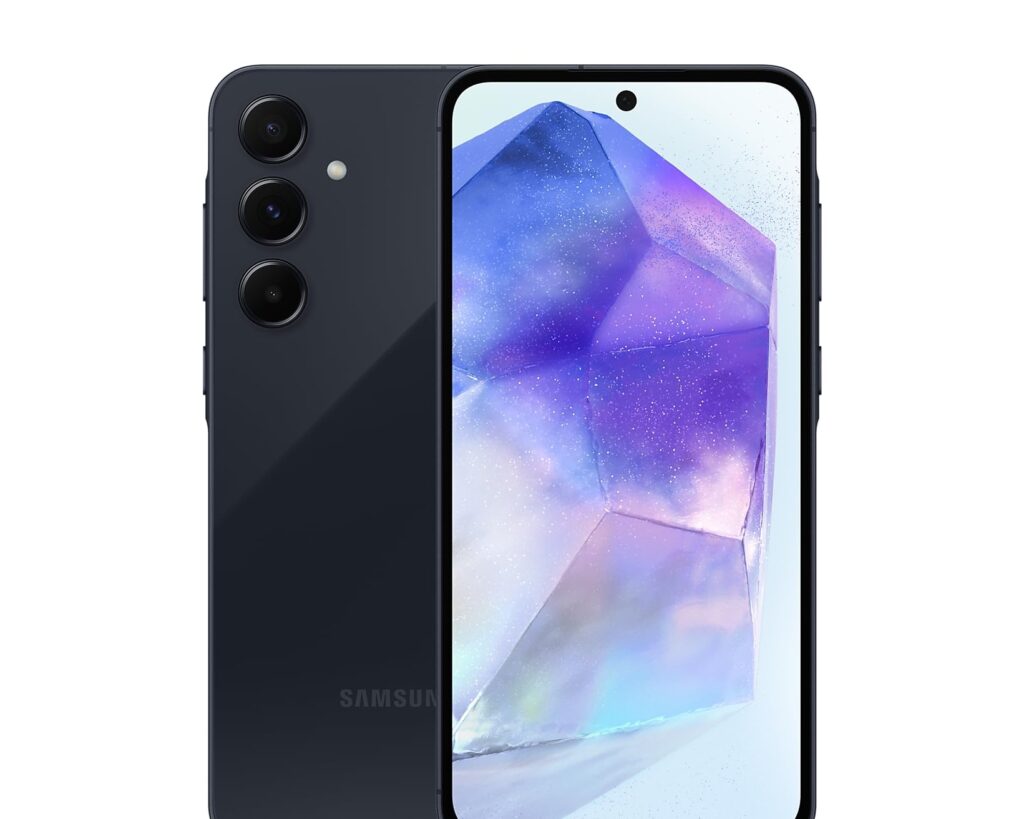
Samsung Galaxy A55 5G remains one of the strongest names in this group. Its reputation comes from long software update support in its class and a solid build quality that helps it stay relevant for a longer time.
More options for users who want stronger performance
POCO X6 Pro / X8 Pro targets buyers who want near-flagship chipset power at a mid-range price. This kind of performance can help with multitasking and heavier apps, which often matters more as phone needs grow over time.
Realme GT 6 / GT 7T is presented as a high-spec line with good battery management. That combination can be useful for users who want performance without sacrificing daily endurance.
iQOO Neo 10 / Z9 Turbo+ is aimed at users who need serious speed, especially for gaming and heavy multitasking. With a Snapdragon 8 Gen 4, a large battery, and a durability-focused approach, it is built to handle demanding use for a longer stretch.
What to check before buying for long-term use
Software support should be one of the first things to check. A phone that gets Android or iOS updates for 3 to 5 years is usually a safer choice because it stays more secure and less outdated.
Chipset class also matters, and the reference points to Snapdragon 7 or 8-series chips and MediaTek Dimensity 7000/8000/9000-series as safer long-term picks. These chipsets generally provide more headroom for future apps and heavier multitasking.
RAM and storage should not be overlooked either. A minimum of 8GB RAM is advised, while 12GB is even better for future-proofing, and internal storage of 128GB or 256GB gives more room for apps, photos, and updates.
Build materials can also affect longevity. Metal or glass bodies usually feel more durable than plastic, while AMOLED or OLED screens with Gorilla Glass protection can improve both display quality and resistance.
Battery size and charging speed should also be part of the decision. A 5000mAh battery is a strong baseline, and fast charging of at least 30W helps keep the phone practical in the long run.
For buyers who want a phone that does not feel outdated too quickly, the safest path is to prioritize software support, capable chipsets, sufficient RAM, and strong battery hardware. Models like Samsung Galaxy A55 5G, POCO X6 Pro / X8 Pro, and the OPPO Reno 14 series show how long-term value can come from a mix of performance, durability, and update support.