The competition in the Rp7–8 million segment is getting tighter as more brands bring premium features into a price range that is easier to reach. In this class, buyers can already find fast chipsets, high-refresh-rate displays, large batteries, and camera systems that were once reserved for flagship phones.
For people searching for the best phones in the 7 million rupiah range for Mei 2026, the key question is no longer whether a model is powerful enough, but which one fits gaming, photography, or long-term daily use better. The list below highlights eight options that stand out on paper, including the iPhone 13 and Poco F7 Pro.
Performance-first models
iQOO Neo 10 is one of the strongest choices for users who prioritize speed. It uses the Snapdragon 8s Gen 4 chipset, paired with 8 GB of RAM and 256 GB of storage, and its AnTuTu score reaches 2.1 million points.
The phone also carries a 7000 mAh battery with 120 watt fast charging. Its 144 Hz AMOLED display adds extra appeal for gaming and heavy multitasking.
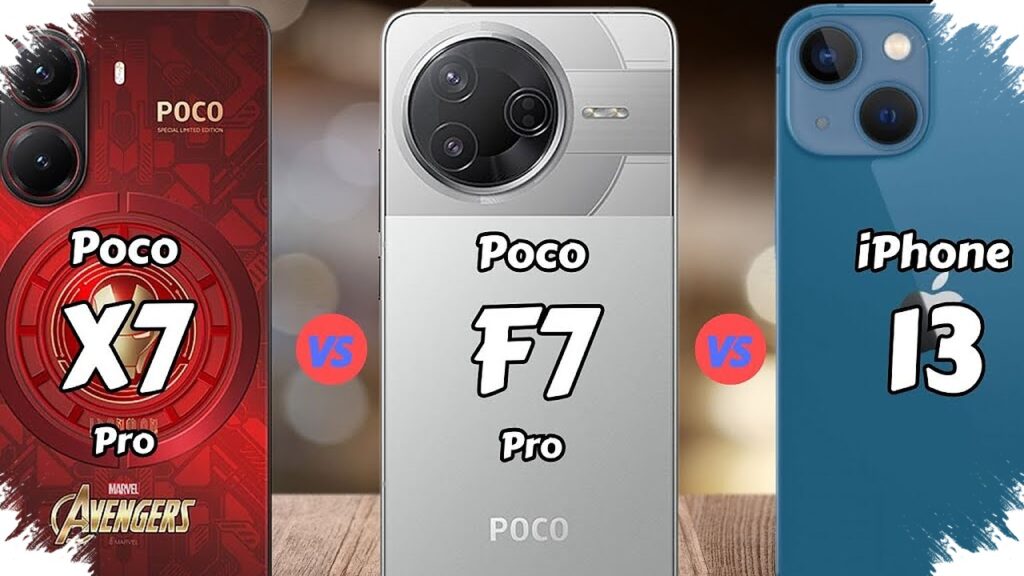
Poco F7 Pro is another strong contender in this range. It comes with the Snapdragon 8 Gen 3 chipset, 12 GB of RAM, and an AnTuTu score of 2.2 million points.
Its 2K AMOLED display with 120 Hz refresh rate gives it a premium visual experience. The 6000 mAh battery and 90 watt fast charging make it practical for long usage sessions.
Poco X8 Pro Max pushes the performance ceiling even higher. The device is said to use the Dimensity 9500S chipset and posts an AnTuTu score of up to 3 million points.
That power is matched by an 8500 mAh silicon-carbon battery and 100 watt fast charging. A large AMOLED display with high brightness also strengthens its position for users who want a more aggressive hardware package.
Balanced options for daily use
Xiaomi 15T targets users who want performance and camera quality in one device. The phone features a Leica-branded camera setup, including a 50 MP main camera and a telephoto lens with optical zoom.
It is powered by the Dimensity 8400 Ultra and uses a 120 Hz AMOLED screen. That combination makes it relevant for users who want a phone that can handle both content creation and smooth daily use.
Samsung Galaxy A57 5G offers a different kind of appeal. It relies on the Exynos 1680 chipset, which is positioned for stable performance rather than peak benchmark numbers.
Its Super AMOLED 120 Hz display, 5000 mAh battery, and IP68 certification make it a sensible choice for users who value durability and long-term reliability. The package is more restrained, but it remains relevant for practical buyers.
Camera-focused choices
Huawei Nova 14 Pro stands out through its camera system. The phone uses Ultra Chroma technology, which gives it a stronger identity for users who care about imaging and color output.
The reference material places more emphasis on its camera strengths than on other specifications. That makes the device a clearer option for buyers who want photography-first features over raw gaming power.
Apple option in the same budget class
iPhone 13 remains a notable name in this price bracket because of its brand value and overall ecosystem appeal. Although the reference material does not list its detailed specifications, its presence in the segment shows that some buyers still compare Android flagships with Apple’s older premium model.
For users who care about iOS, long-term software support, and a familiar Apple experience, the iPhone 13 continues to be part of the conversation. Its inclusion also shows how varied the 7 million rupiah class has become, with Android performance monsters sitting beside an iPhone model.
Other models worth tracking
The broader market in this segment continues to move fast, and some brands use this price band to pack in larger batteries and more advanced screens. As a result, buyers now face a wide choice between gaming-focused models, camera-centric phones, and durable daily drivers.
That variety is what makes the best phones in the 7 million rupiah class in Mei 2026 so competitive. Whether the priority is benchmark scores, battery endurance, display quality, or camera capability, this segment now offers multiple options that can match different types of users without leaving the premium feel behind.