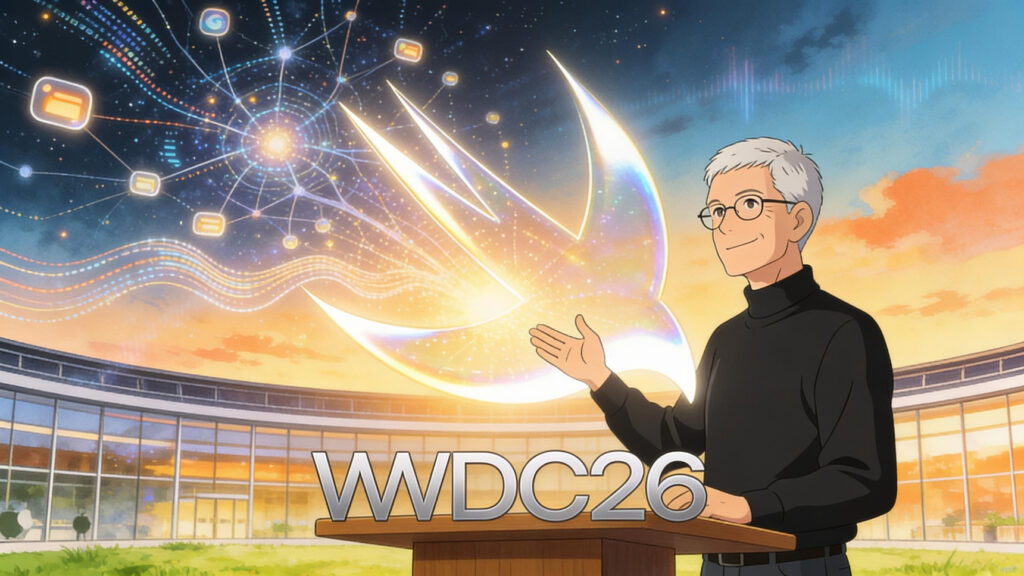
Apple has already locked in WWDC 2026, and the event is now being watched as a major test of the company’s AI direction. The spotlight will fall on Siri, Apple Intelligence, and the next wave of operating systems, all of which are expected to shape how Apple responds to rivals moving faster in artificial intelligence.
The annual developer conference will run from 8 June to 12 June. Apple will keep the event free and accessible worldwide, which means the reach of WWDC 2026 could extend far beyond the people who appear in Cupertino.
A bigger stage for Apple’s AI story
WWDC 2026 is widely expected to serve as Apple’s main showcase for how its AI features work directly on-device. That approach still reflects the company’s long-standing emphasis on privacy and security, two themes Apple has continued to stress as it develops its AI strategy.
The strongest attention around the event comes from the possibility that Apple is preparing a more visible shift in AI. So far, the company has been seen as more cautious than Google, Microsoft, and OpenAI, which have pushed generative AI products more aggressively.
Online-first, with a live presence at Apple Park
Apple says the conference will again be centered online, but the company is also preparing a special in-person experience at Apple Park in Cupertino, California, on opening day. Developers, students, media representatives, and selected creators will be there on 8 June.
They are set to watch the keynote together, speak with Apple engineers, and take part in labs and other activities. That combination keeps the event accessible to a global audience while still preserving a physical gathering for invited attendees.
Key dates for the developer schedule
The main keynote is scheduled for 8 June at 10.00 PDT, and it is expected to be the moment when Apple unveils its biggest software announcements of the year. Later that same day, Apple will also present the Platforms State of the Union.
From 9 June through 12 June, Apple will run technical sessions, Group Labs, developer forums, and workshops. In total, the company has confirmed more than 100 technical and developer sessions during WWDC 2026.
That scale shows that WWDC remains much more than a launch event for consumers. It is still one of Apple’s most important developer gatherings, especially for the people building apps and tools across its ecosystem.
New operating systems across the ecosystem
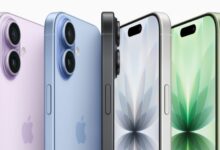
WWDC 2026 is also expected to bring major updates across Apple’s software lineup. The versions likely to appear include iOS 27, iPadOS 27, macOS 27, watchOS 27, tvOS 27, and visionOS 27.
The focus goes beyond iPhone and Mac. Apple is also expected to look at iPad, Apple Watch, Vision Pro, and Apple TV, which suggests a broader push to tighten integration across its platforms.
Industry reports and circulating leaks point to several possible upgrades. These include more mature Apple Intelligence features, a smarter Siri, better device-to-device connectivity, improved camera app features, and faster on-device AI processing.
Design and productivity remain part of the picture
There is also anticipation around refinements to the “Liquid Glass” interface design. Alongside that, multitasking and productivity tools are said to be in line for improvements.
If those changes arrive, they could help Apple deliver a smoother experience across iPhone, iPad, Mac, and Vision Pro. For users, that would signal that Apple is not only adding features, but also trying to make the overall experience feel more consistent across devices.
How WWDC 2026 can be watched
Apple will provide several official ways to follow WWDC 2026 live. The broadcast will be available on Apple.com, the Apple TV app, Apple’s official YouTube channel, the Apple Developer app, and the Apple Developer website.
For those who cannot watch live, replays will be available after the broadcast ends. That setup makes the main sessions easy to follow from different regions without needing to be in Cupertino.
As the AI race intensifies, some analysts see WWDC 2026 as Apple’s biggest AI event yet. The attention will not only be on the new operating systems, but also on the direction of Siri and Apple Intelligence, which may become the clearest measure of how seriously Apple is trying to close the gap.
Source: sundayguardianlive.com