When a game studio and its most celebrated creator fall out in public, the impact can reach far beyond one title. The Konami and Hideo Kojima conflict became one of the most painful examples of how creative tension, corporate decisions, and fan expectations can collide inside the gaming industry.
The dispute drew so much attention because it did not end with a simple departure. It affected a major franchise, changed the fate of a highly anticipated horror project, and left a mark on how players talk about the balance between business and creative vision.
A fallout that reached Metal Gear and beyond
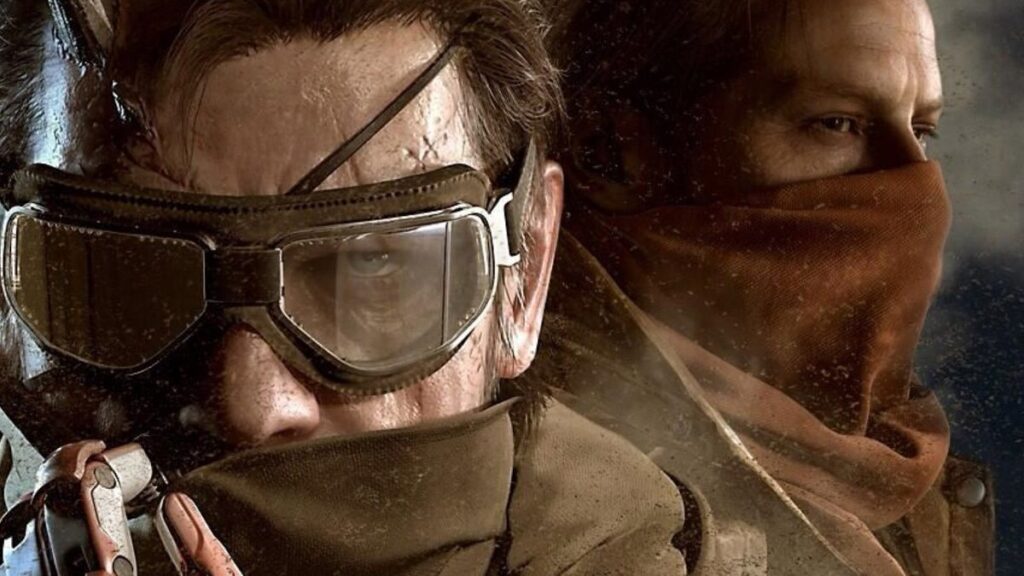
The break became impossible to ignore when Kojima’s name was removed from the box art of Metal Gear Solid V: The Phantom Pain. That move signaled that the relationship had already deteriorated sharply before the split became public.
For many players, the issue was not only about credit on a game cover. It was about the uncertainty surrounding the future of Metal Gear, a series closely associated with Kojima’s identity and long-term creative direction.
The situation grew even more painful when Silent Hills was cancelled. The project had been promoted as a horror title with the potential to become one of the scariest games ever made.
Why this conflict hit harder than a typical industry dispute
Many gaming controversies begin with launch problems, broken promises, or unpopular business choices. Examples from the industry show how quickly trust can collapse when expectations are not met, even for massive releases.
Pokemon GO created huge excitement at launch, but frequent server crashes and delayed releases in some countries quickly cooled that enthusiasm. No Man’s Sky faced a similar backlash after players found a world that felt empty and repetitive compared with the promise of an almost limitless universe.
Spore also became a cautionary tale, not because of its concept, but because of its strict DRM policy that limited installation to five times before permanently locking the game to an account. That decision angered players and helped fuel review bombing on Amazon.
Diablo 3 suffered another kind of collapse when launch-day demand overwhelmed the servers and triggered the infamous Error 37. Players who had taken time off to play were left staring at the login screen for days while Blizzard worked through the issue.
How player expectations can turn into backlash
Mass Effect 3 showed that even a strong game can face heavy criticism if the ending disappoints the community. Many players expected their choices as Commander Shepard to carry more visible weight, but the final outcomes were seen as too similar.
The reaction became intense enough that some fans raised money to push for a new ending. BioWare later released the Extended Cut to add more explanation to the conclusion.
Star Wars Battlefront 2 created another wave of anger for a different reason. Its loot box system forced players either to grind for long hours or spend real money to unlock iconic characters such as Darth Vader and Luke Skywalker.
That system made the game feel heavily pay-to-win, and the backlash was strong enough that EA eventually removed loot boxes entirely.
Why Konami and Kojima remain the most memorable case
Unlike many other controversies, the Konami-Kojima split touched both a flagship series and a shelved horror project at the same time. That combination made the fallout feel larger than a single release problem or a single unpopular mechanic.
It also became a symbol of how internal decisions can reshape a franchise’s future. The conflict was not remembered only because it was dramatic, but because it changed the course of a major gaming brand and the creative path of one of its best-known directors.
After the split, Kojima founded Kojima Productions and went on to release Death Stranding and Death Stranding 2: On The Beach. Konami, meanwhile, was left to move forward without the creative partnership that had helped define Metal Gear for years.
That is why the dispute is still described as one of the most painful in gaming. It was never just about one title being delayed, one feature being cut, or one launch going wrong, but about a creative relationship ending in a way that reshaped a franchise and left fans with a lasting sense of what was lost.
Source: www.idntimes.com