Apple’s rumored iPhone Ultra is drawing attention for more than the prospect of a new model. It is being framed as Apple’s entry into foldable phones with a strategy that leans on design polish, ecosystem depth, and a cleaner user experience rather than the most aggressive spec sheet.
That approach matters because foldables have already been shaped by Android rivals, while Apple appears ready to challenge that market on its own terms. If the device arrives as described, it would not simply add another premium iPhone, but introduce a different kind of flagship built around Apple’s hardware and software integration.
A foldable built around two distinct roles
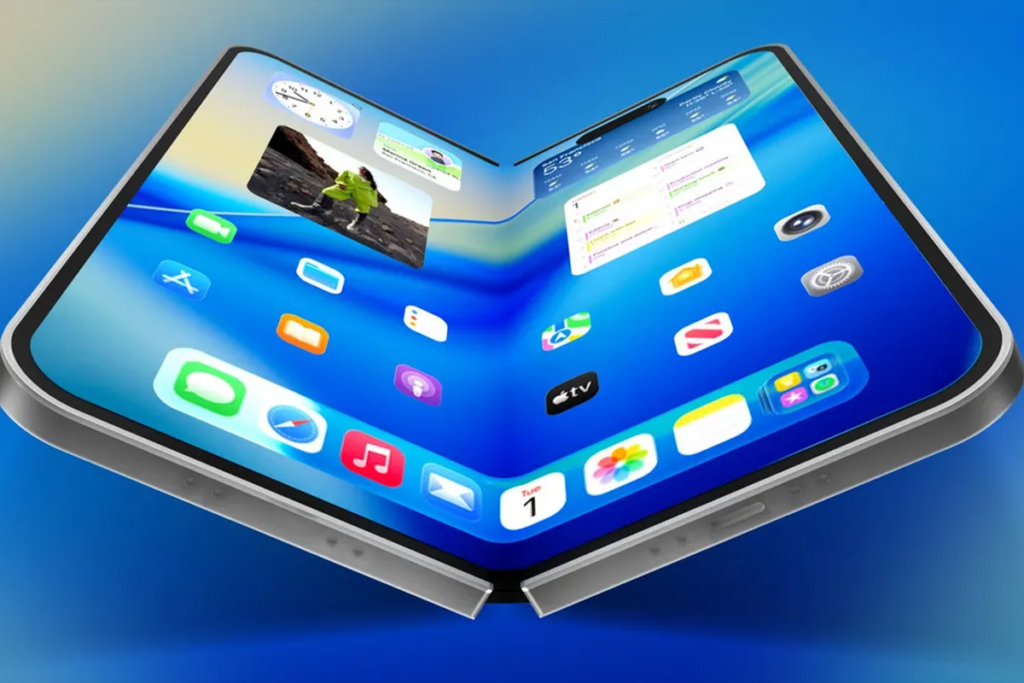
The iPhone Ultra is said to use a passport-style folding design. Its outer display is reportedly 5.5 inches, meant for quick access to notifications, messages, and routine tasks. Inside, the screen is said to expand to 7.8 inches for broader use.
That layout points to a device designed to stay compact when closed and become much more versatile when opened. It would be suited to gaming, video playback, and multitasking in a way that feels closer to a small tablet than a standard phone.
Apple’s focus appears to be refinement, not just size
What separates the iPhone Ultra from many existing foldables is the reported emphasis on a thinner and lighter body. Apple is also said to be working to reduce the visibility of the display crease, aiming for a smoother look across the folding panel.
This matters because visible creases and bulk remain two of the most common compromises in foldable phones. A cleaner design could make the device feel more practical in daily use, especially for buyers who care as much about finish as function.
Software integration could be the bigger selling point
The strongest advantage may come from the software side. The iPhone Ultra is expected to combine elements of iOS and iPadOS to support advanced multitasking, including split-screen use and app continuity.
That combination could make the device feel less like a novelty foldable and more like a flexible productivity tool. Seamless handoff across MacBook, iPad, and Apple Watch is also expected to be part of the appeal, giving Apple a possible edge that hardware-focused rivals cannot easily copy.
Performance and battery are aimed at heavier workloads
On the inside, the device is rumored to use the A20 Pro chip built on a 2-nanometer process. That would position the phone for demanding gaming, video editing, and multitasking while still prioritizing power efficiency and thermal control.
To support the demands of a foldable display, Apple is also said to be planning a 5,500mAh battery. That pairing suggests the company is trying to reduce the trade-offs that often come with larger, more power-hungry screens.
Cameras, security, and charging take a different path
The camera setup is reportedly a dual 48-megapixel system. One notable omission is the telephoto lens, which could leave it behind some flagship rivals that already offer triple-camera arrays.
Another unusual change is the possible return of Touch ID in the power button. Face ID is said to be absent because of the foldable design, while MagSafe would remain for wireless charging and accessory compatibility.
Durability remains the critical question
Apple is also said to be preparing Ceramic Shield 2 to improve scratch resistance and reduce reflections. Those changes would help visibility in different lighting conditions and make the screen feel more durable in everyday use.
The hinge is another major point of focus. Apple is reportedly investing in a stronger hinge design to improve long-term reliability, although that area may also influence the launch schedule if development takes longer than planned.
A very premium entry into an already crowded field
If the iPhone Ultra does arrive, it will enter a market where devices such as the Samsung Galaxy Fold 7, Oppo Find N6, and Honor Magic V6 are already established. Those models are described as offering triple cameras, high refresh rate screens, and strong durability ratings.
Pricing is expected to place Apple’s foldable in the ultra-premium tier. The iPhone Ultra is rumored to start at around $2,000 and could reach $3,000 for higher-storage versions, making it one of the most expensive foldable phones on the market.
The device is also said to launch alongside the iPhone 18 series, though hinge-related durability concerns could still affect timing. At that price level, Apple would need to offer more than a folding screen, and the rumored plan suggests it is betting on a tighter blend of usability, productivity, and ecosystem control.
Source: www.geeky-gadgets.com