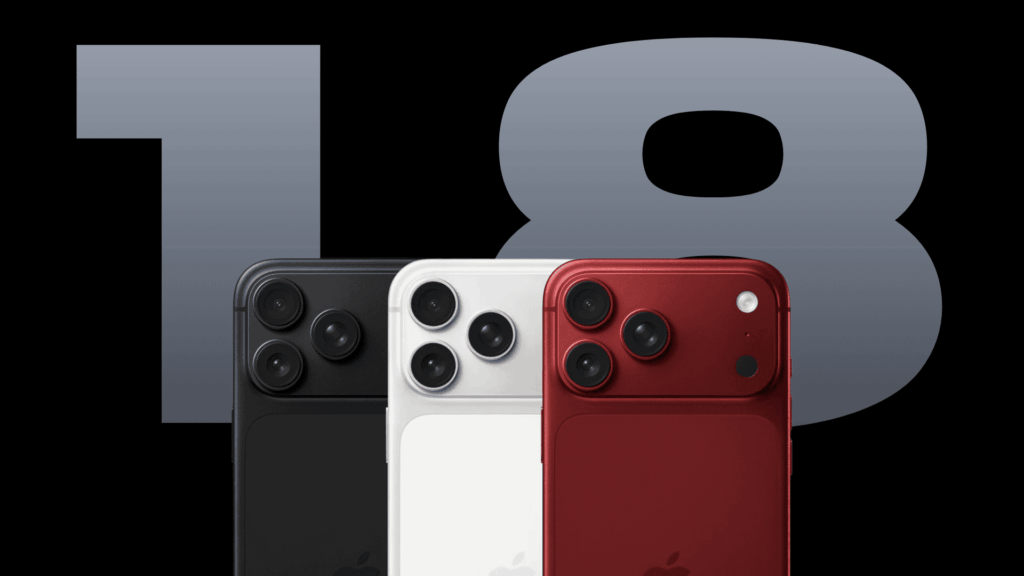
Apple is reportedly preparing a deeper privacy layer for iPhone 18, and the change goes beyond app permissions. The focus is on one of the most sensitive pieces of smartphone data: a user’s location.
The idea is not to block location entirely. Instead, the system would limit what cellular operators can see, so they receive only a rough area rather than precise coordinates.
Privacy at the network level
This move pushes iPhone privacy into territory that has usually been left untouched. Until now, most privacy controls on iPhone have centered on app access, not on the data exchanged with mobile networks.
Apple is said to be relying on its newer internal modem, called C2, to make this possible. The modem is also part of Apple’s broader effort to reduce dependence on Qualcomm.
With C2, iPhone 18 is said to be able to disguise a user’s location while staying connected to cellular networks. The information sent would still be enough for network operation, but not detailed enough to expose an accurate location trail to the carrier.
Keeping everyday connectivity intact
Apple appears to be aiming for a balance between privacy and basic network performance. Carriers would still be able to handle regular service, while sensitive location data would not be revealed in detail.
The company is also said to be making sure the feature will not weaken signal quality. Internet speed is expected to remain optimal even when the user’s location is masked.
That matters because privacy features often raise concerns about trade-offs in performance. In this case, Apple’s plan is framed as an added layer of protection without changing the daily experience.
Different from Location Services
The system is described as separate from the familiar Location Services feature on iPhone. Location Services deals with app permissions, while this newer approach is aimed at the data carriers can access.
That distinction suggests a broader privacy strategy at the infrastructure level. Protection would no longer stop at the relationship between apps and users, but would also extend to the exchange of information with the cellular network.
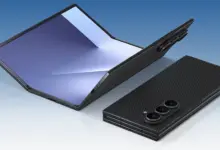
Reports say the feature is intended for the full iPhone 18 lineup. That includes Pro models and the foldable device that is said to carry the iPhone Ultra name.
Carrier support remains essential
Hardware alone is not enough for this kind of privacy protection. Carrier support is still a key requirement for the location limitation to work as designed.
Some carriers in the United States are said to already be compatible with the technology. Boost Mobile is among the names reported to support the implementation.
In Europe and the UK, similar support is said to have been active earlier on several networks. EE and Sky are even reported to have enabled a similar feature by default.
That suggests location protection at the carrier level is not entirely new. Wider network adoption would simply make it easier for the feature to appear on new devices.
Early signs already exist
The groundwork is said to have started appearing through iOS 26.3. Apple introduced a feature called Limit Precise Location there, although it is still limited to certain devices using Apple-made modems.
That earlier step gives context to the current direction. Apple appears to be building a transition toward a more mature network privacy system for the next iPhone generation.
If this approach reaches iPhone 18, it could have an effect beyond a single product line. Apple may end up setting a new standard for how location data is handled on smartphones.
The issue is especially relevant as concerns about digital tracking continue to grow. Location data is among the most sensitive types of information because it can reveal movement, habits, and daily patterns.