


Remote security is the headline feature, but it is not the same as real physical protection
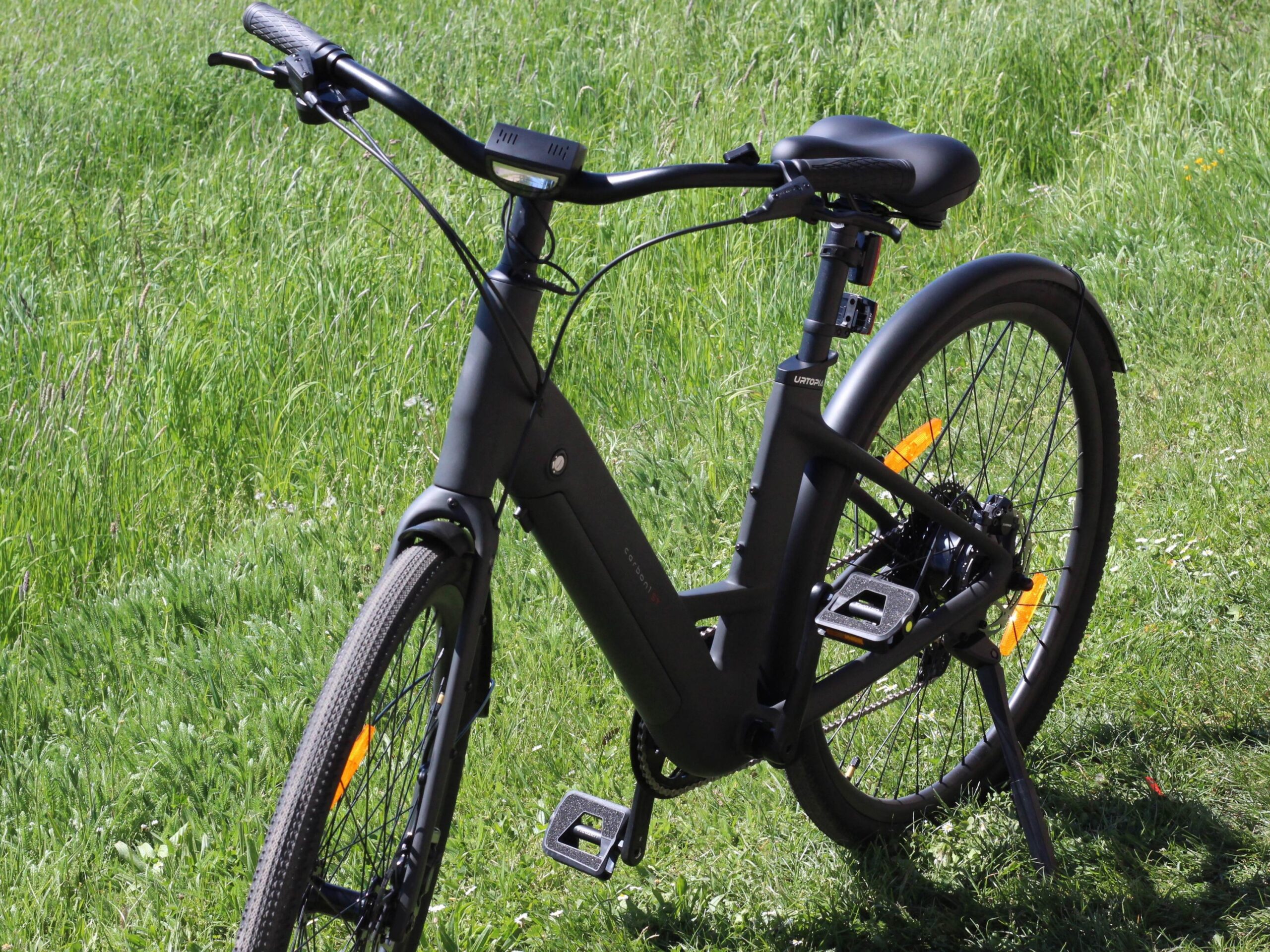
Urtopia Carbon 1 ST stands out because it tries to behave less like a conventional e-bike and more like a connected device. Its smart package is broad enough to feel ambitious, yet the real-world appeal is tempered by a clear limitation: the security tools warn the rider, but they do not physically stop the bike from being taken.
The strongest example is its anti-theft setup. Geofencing can send a notification when the bike leaves a preset area, while alarm mode produces a loud sound if the bike is moved or tampered with. Even so, the system works more as an alert layer than a barrier, since the motor cannot lock the bike in place or prevent theft on its own.
LTE keeps the bike connected beyond tracking
A major selling point of the Carbon 1 ST is its LTE-based tracking system. The first year of service is included at no extra cost, and after that the subscription is priced at $39 or €45 per year.
With the built-in GNSS module, location tracking can be handled through the app with good precision. The map can also show the bike and the user at the same time, which makes remote monitoring more organized when the bike is out of sight.
LTE is not limited to tracking alone. It also supports remote functions such as unlocking the bike, triggering a sound signal, and switching the device into alarm mode.
Fingerprint access is useful, but not fully consistent
The fingerprint reader is one of the more practical parts of the package. In daily use, it responds quickly and generally works reliably under normal conditions.
That said, its performance is not perfectly steady over time. The system tends to decline after some use and may need recalibration every few weeks. Recognition also does not quite match the level of modern smartphones, and wet fingers can lower the success rate further.
Smart lighting adds convenience, but the hardware integration still feels incomplete
Automatic lighting helps make the bike easier to use in low-light conditions. The system activates when ambient light drops, reducing the need for manual intervention.
However, the implementation is not entirely uniform across the tested unit. The rear light is not integrated into the system, which leaves the overall execution feeling less polished than the rest of the feature set.
Taken together, Urtopia Carbon 1 ST presents a strong smart-bike identity with connected tracking, remote control, and biometric access. Even so, its reliance on connectivity, the lack of a true physical anti-theft lock, and some inconsistent functions mean the security story is still more promising than complete.