


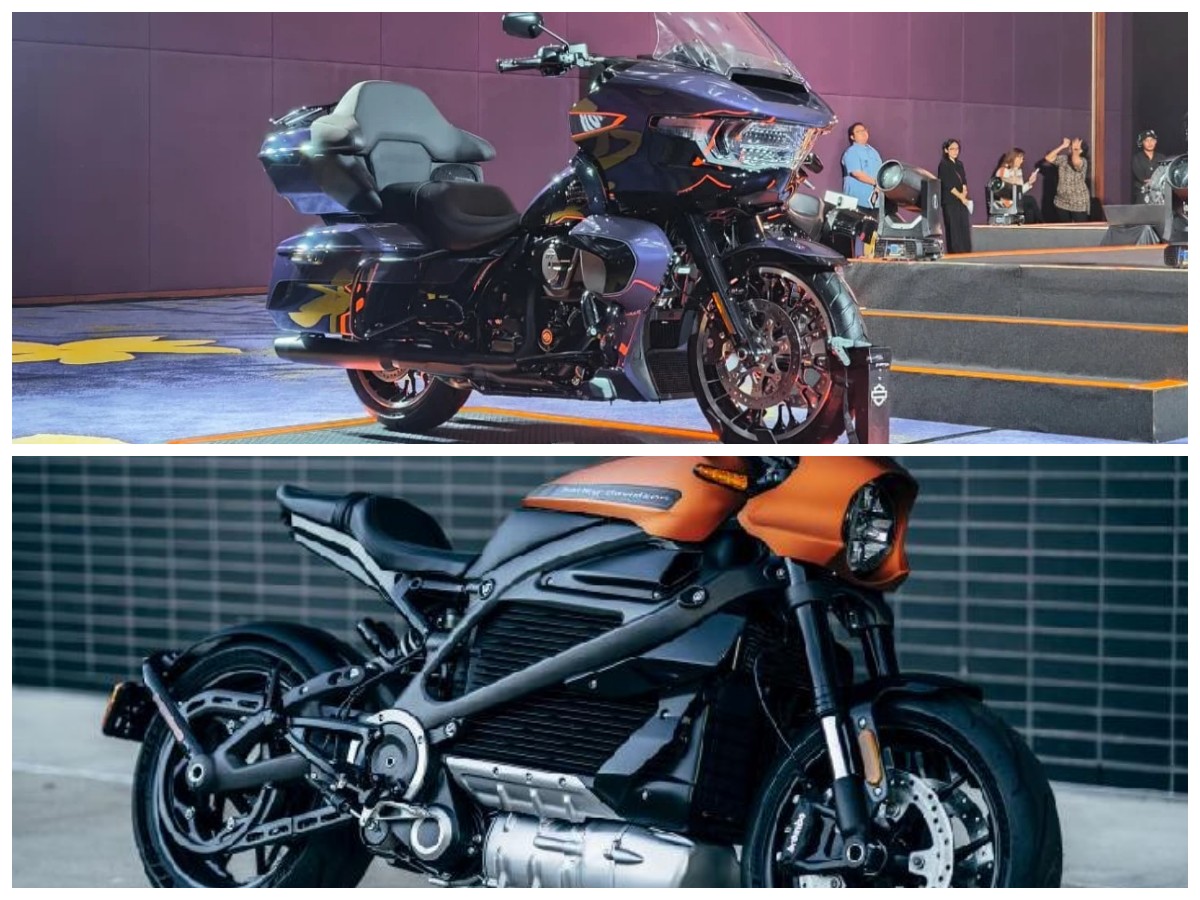
Harley-Davidson is being pushed to prove that its appeal goes beyond nostalgia. The brand is now blending its familiar identity with digital features and a clearer move toward electrification, signaling a more deliberate shift into a modern motorcycle era.
That shift matters because the global motorcycle market is moving quickly. Riders are no longer focused only on big displacement and iconic styling, but also on practical features, efficiency, and technology that works for daily use as well as long-distance travel.
Electric power is becoming part of the Harley-Davidson story
The clearest sign of this new direction is LiveWire, Harley-Davidson’s electric motorcycle line. It marks a new phase for the company as it responds to the broader trend toward cleaner vehicles.
LiveWire is described as offering a different riding experience from conventional gasoline motorcycles. It still carries the high-performance feel associated with Harley-Davidson, but with responsive acceleration that reflects the character of an electric powertrain.
Digital features are now part of the lineup
Harley-Davidson’s update is not limited to electrification. The company is also adding modern technology to its conventional models to keep them competitive in a changing market.
Newer motorcycles now come with digital instrument panels, smartphone connectivity, navigation systems, and more complete safety technology. These additions show that Harley-Davidson is no longer relying only on mechanical presence and classic styling to define its appeal.
The classic identity remains visible
Even as the brand modernizes, it is not abandoning the elements that made it famous. Harley-Davidson continues to preserve its signature design language so the bikes remain instantly recognizable.
Comfortable riding position also remains a major part of the brand’s identity. Combined with its strong premium image, that familiar character still helps maintain a loyal customer base in many countries.
Balancing tradition with changing rider expectations
The company’s strategy reflects a balancing act between heritage and the future. Harley-Davidson still wants to stand for freedom and lifestyle, but it also needs to meet the expectations of modern riders.
Those expectations now go beyond raw power. Riders increasingly look for a mix of performance, comfort, and efficiency, especially when the bike is meant for long-distance use.
That is why the development of new-generation engines remains important. The goal is to make them more efficient while keeping the strong power delivery that has long defined the brand.
Competition is forcing faster change
Rising competition in the global motorcycle industry has also added pressure. Manufacturers from Asia and Europe are introducing many new models with modern technology, making the market more demanding.
In that environment, updates to design, technology, and efficiency are no longer optional. They are necessary if a major brand wants to stay relevant and protect its position internationally.
Harley-Davidson’s move into digital features and electric mobility shows that the company is entering a new chapter. The brand that was once identified almost entirely with classic heritage is now pairing that image with panels, connectivity, navigation, safety systems, and a serious push into electric vehicles through LiveWire.