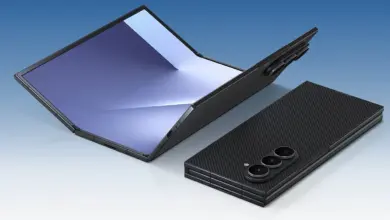
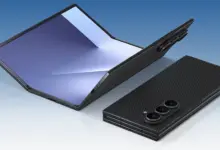
A Pixel Fold cover screen that goes dark does not always mean the panel has failed. In one reported case, the display would still light up during boot, yet it became completely unusable once Android finished loading.
That detail has made the issue especially frustrating for foldable users. On a book-style foldable, the outer screen is the part that handles quick checks, notifications, and everyday use without opening the device.
The problem first drew attention through a user identified as Chahine_sama. According to the account, the outer display had been acting up for months, with the screen suddenly turning black and refusing to respond.
At times, the inner display was affected too, although both screens would recover after a restart. Because the situation kept clearing on its own, it did not initially appear to be a major hardware failure.
The behavior changed after the Pixel Fold battery was allowed to drain completely. Once the phone powered back on, the cover screen would no longer work after Android finished loading, even though the Google logo still appeared during startup.
That sequence pushed the discussion toward software rather than a damaged panel. If the screen can show the boot logo and later be brought back by a system-level action, the hardware may still be intact.
A temporary fix shared by another user added weight to that idea. The workaround involved using a GitHub app that switches or reroutes the display output between screens, and the outer panel reportedly came back after the process was run.
It is not a practical long-term solution, but it matters because it suggests the screen itself may not be broken. The fact that the display can wake during boot and respond again after a display swap points to a system behavior issue.
That distinction matters more on a foldable than on a standard phone. If the cover screen stops working, the device loses the convenience that makes the form factor useful in the first place.
Users can still rely on the inner display, but the phone becomes far less convenient for quick tasks. For a device designed around fast outer-screen access, that is a significant drawback.
The pattern of the issue also raises concern. It began as an intermittent problem over several months and then became more severe after the battery fully ran out, which makes the timing look more like a software-triggered fault than a random panel failure.
There is no sign that every Pixel Fold unit is affected. Even so, similar reports from other users suggest the problem is not entirely isolated, which is why many owners are taking it seriously.
For now, affected users are being urged to report the issue to Google. That could help determine how widespread the problem is and whether an official fix should be prioritized.
Until then, the GitHub-based workaround remains only a temporary option. The broader takeaway is that a dead-looking cover screen on the Pixel Fold does not automatically point to permanent hardware damage, and the boot behavior leaves open the possibility of a software fix.
Source: www.androidpolice.com