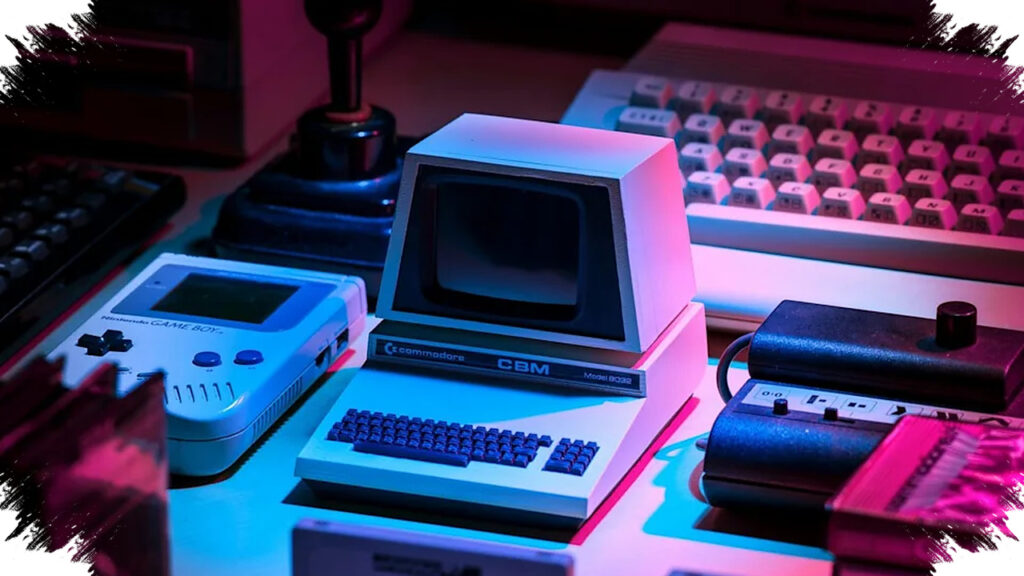
For anyone who has only seen vintage computing through screenshots and museum vitrines, Virtual OS Museum offers something far more hands-on. The project turns software history into a working environment, letting visitors boot into old systems and explore them directly rather than simply read about them.
Curated by Andrew Warkentin, the virtual museum is built around emulation and includes standalone operating systems and applications that can actually run. That approach makes the project feel less like a static archive and more like a living lab for technology history.
Its scale is a major part of the appeal. Virtual OS Museum currently lists more than 1,700 installations, over 250 platforms, and more than 570 different operating systems.
The catalog stretches across an unusually wide timeline. It begins with Manchester Baby from 1948 and continues through historical software that is much more recent, covering several major eras of computing along the way.
A broad archive of computing history
The collection includes early mainframe systems, CTSS, early Unix, Xerox Star Pilot/ViewPoint, classic MacOS, DOS, OS/2, BeOS, and Windows releases from version 1.0 through the early Longhorn beta. It also features PalmOS, Newton OS, early Android, and even iOS in the parts that can be emulated.
That range makes the project stand out from a typical retro showcase. Instead of limiting itself to familiar nostalgia, it brings together systems that shaped computing at different stages and also includes many rare entries most users would never encounter firsthand.
Built to be tried, not just viewed
Virtual OS Museum is not presented as a gallery of screenshots or a collection of old software images. It comes as a Linux VM for QEMU, VirtualBox, or UTM, and it includes a custom launcher along with preconfigured installations.
The goal is to reduce the friction that usually comes with older software. Users do not need to dig through legacy setup files or wrestle with complicated emulator settings before they can begin exploring.
Many of the systems can boot directly and run the software of their era, where compatibility allows it. That matters because older operating systems often depend on specific emulator versions, patched emulators, or long rebuild processes from original media.
Warkentin’s aim is to make that history “reachable,” turning a task that is often slow and technical into something more accessible. The result is a project designed for direct use, not passive observation.
Not browser-based, but still designed for access
There is one important limitation: Virtual OS Museum does not run in a browser. Users still need to download the package before they can start exploring the collection.
The full version is 121GB as a zip file and 174GB after extraction. A lighter 14GB version is also available, using on-demand image downloads for those who want a smaller starting point.
That file size reflects how much content is packed into the project. Even so, the structure is intended to keep the experience practical for people who want to try multiple systems without assembling everything from scratch.
For technology enthusiasts, the museum functions as more than a nostalgic archive. It shows how older software connects to the foundations of modern computing, while giving users a direct way to experience that progression instead of only reading about it.