


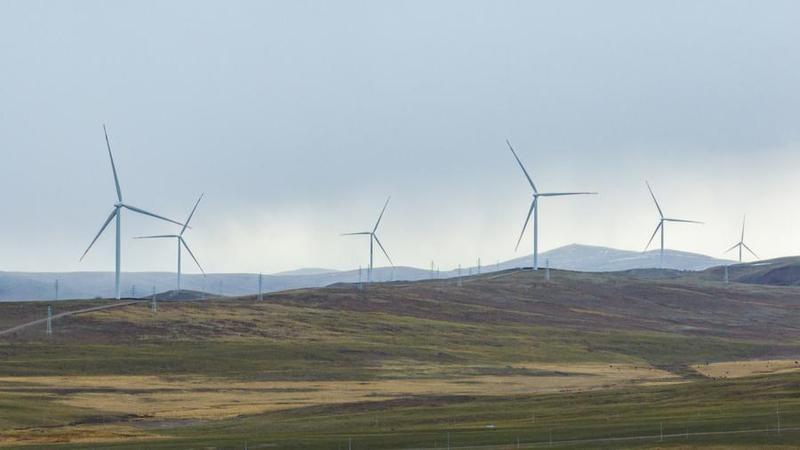
Xizang’s energy system is now being defined by clean power rather than conventional generation. With 99 percent of its electricity coming from clean energy, the region has reached the highest share in China and placed renewable power at the center of its development model.
That shift is backed by scale as well as symbolism. By 2025, Xizang’s installed capacity of clean energy power plants has exceeded 13 million kW, showing that the transition is no longer marginal but a core part of the regional supply structure.
A system built around clean generation
The 99 percent figure means electricity demand in Xizang is now almost entirely covered by renewable and other clean sources. In national terms, that puts the region among the leading areas in China for clean energy use.
This also reflects a deeper change in the role of clean power. It is no longer a supporting element in the local grid, but the main source of electricity for the southwest China region.
Projects visible on the ground
The transition is not limited to statistics. In Nagqu, rows of wind turbines stand as a visible sign of renewable expansion on the plateau.
In Damxung, Lhasa, development is also advancing through hybrid photovoltaic and photothermal projects. The mix of wind and solar technologies shows that Xizang is not relying on a single energy source.
That diversified approach helps strengthen the resilience of the region’s power system. It also allows local natural resources to be used more effectively.
More than an energy story
Clean energy in Xizang now serves a broader purpose than electricity supply alone. Authorities in the region are promoting it as part of a high-quality development agenda.
This makes the energy sector a direct part of economic restructuring rather than an isolated infrastructure effort. The growth of green power is helping shape a more modern development pattern that emphasizes efficiency and sustainability.
The result is a regional model in which energy expansion and long-term planning move together. Xizang is adding generation capacity while also building a foundation that fits future development needs.
A milestone that stands out nationally
The achievements carry added attention ahead of the 75th anniversary of the peaceful liberation of Xizang Autonomous Region in 2026. In that context, the energy transition has become one of the clearest examples of change in the region.
Its significance lies in how measurable the progress is. An installed capacity above 13 million kW and a 99 percent clean electricity share show that the transition has moved into practical implementation.
Xizang’s position as the Chinese region with the highest proportion of clean electricity also sends a broader message. Even in a place with challenging geography, a consistent development strategy can produce a rapid shift toward cleaner energy.
The wind farms in Nagqu and the hybrid solar facilities in Damxung make that shift tangible. Clean energy infrastructure is now part of the new landscape of Xizang’s development.