


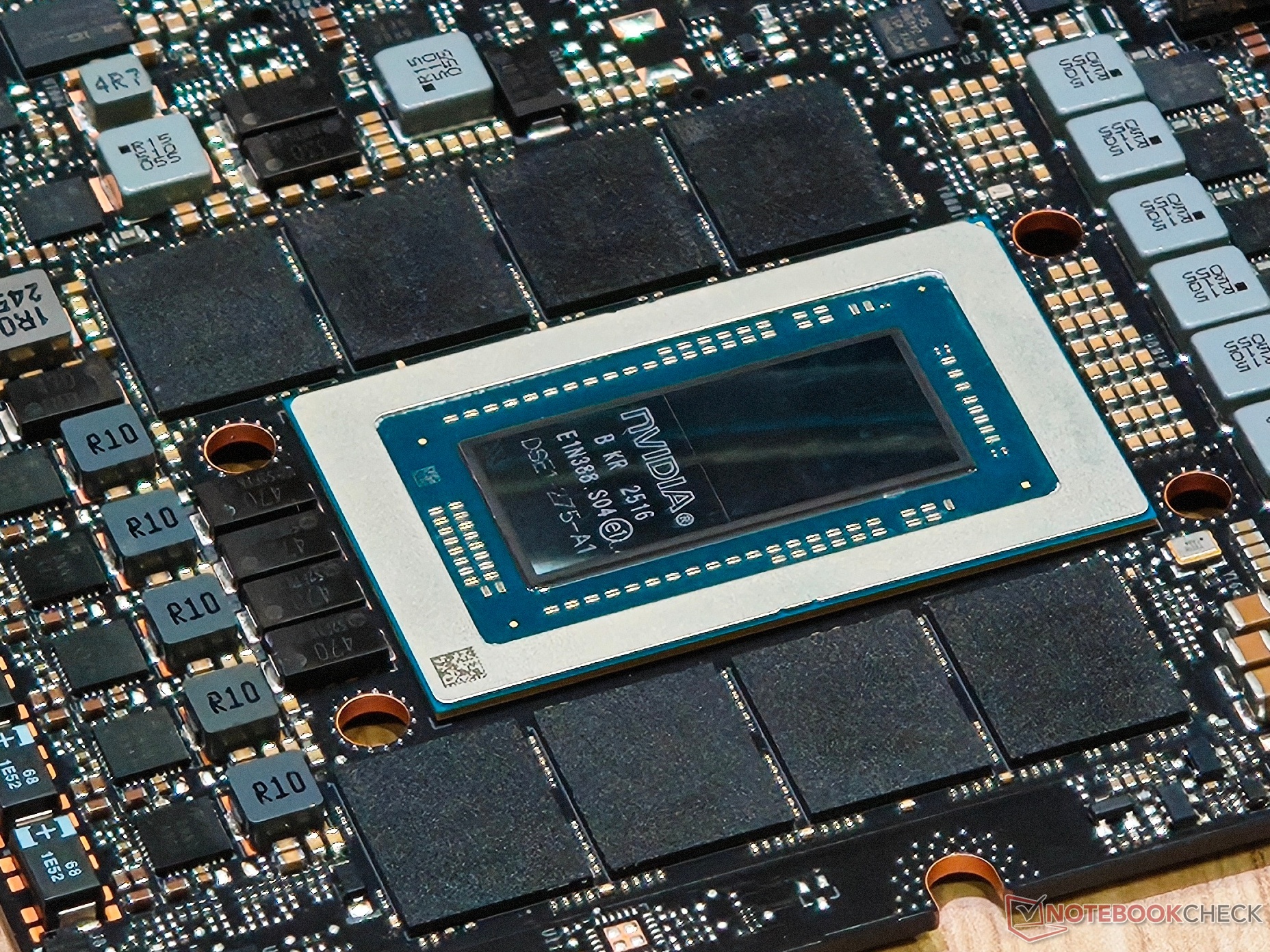
A newly leaked view of Nvidia’s N1 family suggests the company is preparing more than a single Arm chip for PCs. The lineup appears designed to pressure Windows on Arm laptops from both directions: raw performance at the top and efficiency-focused designs below it.
VideoCardz, citing internal Nvidia documents, says at least four N1 variants are in development for PCs and laptops. The timing is notable because the embargo on Nvidia’s new Arm PC platform is said to be close to lifting, which has sharpened attention on what the company may be about to show.
N1X targets the premium end
The most ambitious model in the leak is N1X. Its top configuration is said to resemble the GB10 processor used in Nvidia’s DGX Spark desktop AI supercomputer, with 20 CPU cores split into 10 Cortex-X925 performance cores and 10 Cortex-A725 efficiency cores.
On the graphics side, N1X is reported to use a Blackwell 2.0 GPU with 48 streaming multiprocessors, which translates to 6,144 CUDA cores. A trimmed version is also mentioned, featuring 18 CPU cores in a 9+9 layout and a 40-SM GPU with 5,120 CUDA cores.
Both N1X configurations are said to operate in the 45 W to 80 W range. That places the chip in the territory of high-end laptop processors, although those power figures cover the combined CPU and GPU package.
N1 is aimed at thinner, more mainstream laptops
Below N1X, Nvidia is reportedly preparing a standard N1 family for thinner and more affordable machines. The focus there shifts toward battery-friendly design, lighter systems, and broader laptop use rather than maximum performance.
One higher-end N1 variant is said to pair eight Cortex-X925 cores with four Cortex-A725 cores, along with a 20-SM GPU that offers 2,560 CUDA cores. Another version lowers the CPU count to 10 cores, split between seven performance cores and three efficiency cores, while using a 16-SM GPU with 2,048 CUDA cores.
The N1 lineup is also described as having a much lower power range, from 18 W to 45 W. That makes it a better fit for thin-and-light notebooks and general-purpose systems that need a balance between speed and efficiency.
Memory and storage show clear product separation
The leak also points to a wide gap in memory support between the two families. N1X is said to support up to 128 GB of LPDDR5X through a 16-channel interface, while standard N1 models are limited to 64 GB using an 8-channel design.
Storage support follows the same pattern. N1X is reportedly designed for up to three M.2 SSDs, while N1 supports two. That difference suggests Nvidia is not aiming at a single universal design, but at separate tiers for different classes of PC hardware.
The result is a split strategy: N1X appears tailored for premium laptops or heavier workloads, while N1 is positioned for thin, efficient devices that still need solid everyday performance.
The roadmap appears to have been in motion for a while
The documents also hint that this effort is not new. One slide is said to carry a 2024 date, suggesting the work may have been underway for at least two years.
Not every model listed is guaranteed to reach the market, and some may never appear in final products. Even so, the documents indicate that these chips were part of Nvidia’s early roadmap, which points to a long-running push into Arm-based PCs.
If the leaked specifications hold up, the N1 family could become one of Nvidia’s most important steps into laptops. By combining Arm CPUs with Blackwell graphics in a single package, the company would be trying to compete not only on power efficiency, but also at the high end of Windows on Arm performance.