Polytron is taking a direct route into the 2026 electric motorcycle market by offering its own subsidy instead of waiting for government clarity. The move is aimed at making Fox-R and Fox-S immediately more affordable for buyers who have been holding back amid uncertainty over fiscal incentives.
The company is acting at a time when the market is still full of questions about the direction of electric motorcycle stimulus. Rather than letting those questions slow demand, Polytron is trying to fill the waiting period with a simpler financial offer for consumers.
A subsidy that is easier to access
Polytron’s program provides a direct price reduction or financial incentive for buyers. It is designed to be more accessible and does not require the same strict NIK-based verification process used in government incentive schemes.
The subsidy can be obtained through official Polytron dealers as well as partner digital platforms. That approach is meant to make the buying process smoother for consumers who want to move faster without waiting for policy certainty.
Fox-R and Fox-S at the center of the strategy
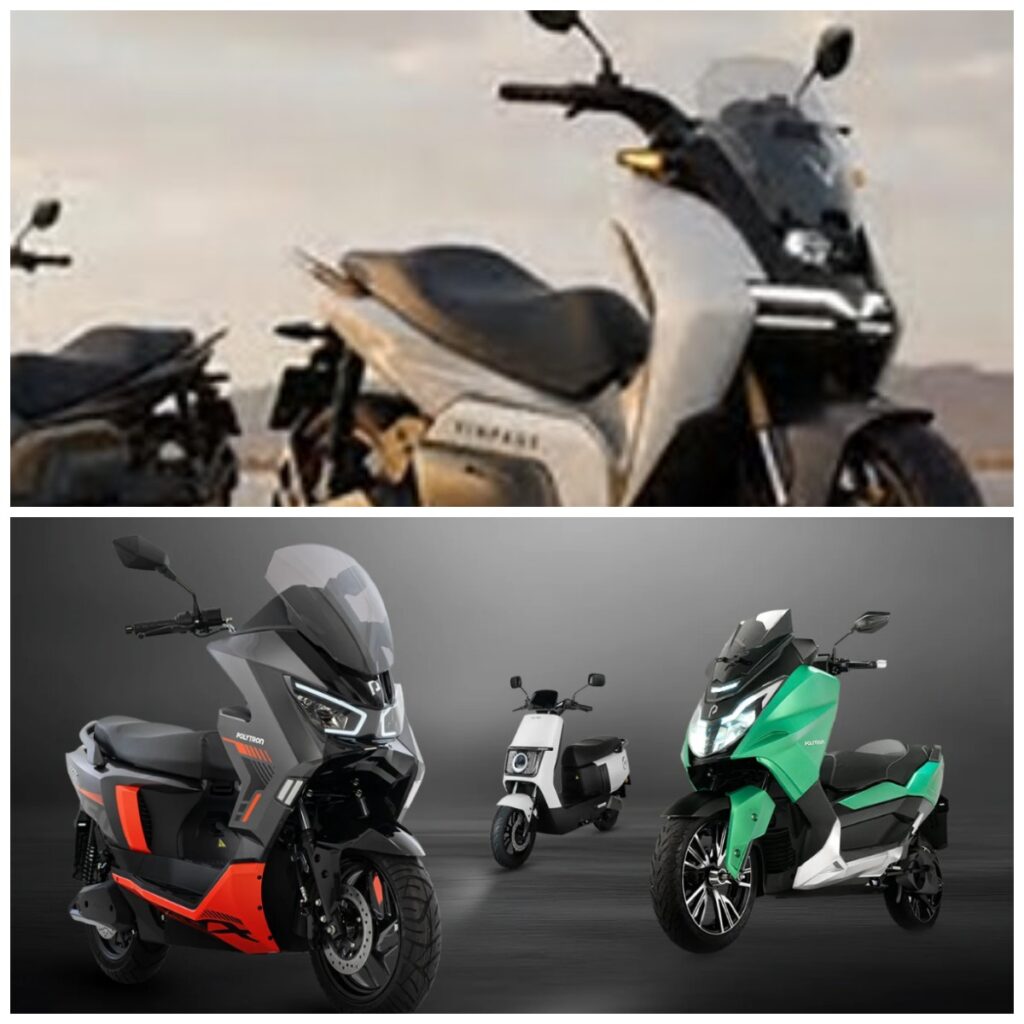
The self-funded subsidy is focused on the Fox-Series, especially Fox-R and Fox-S. Both models are among Polytron’s main offerings in Indonesia’s electric motorcycle segment.
Fox-R is positioned as the premium option in the lineup. It uses a 3,000-watt drive motor, reaches a top speed of up to 95 km/h, and offers a riding range of up to 130 KM on a full charge.
Those specifications make Fox-R suitable for medium-distance commuting, including intercity travel. Its longer range also gives added convenience for users who do not want to charge too often.
Fox-S, meanwhile, is aimed at urban riders looking for a more economical choice. It has a top speed of 80 km/h and a range of around 70 KM, which fits daily city use.
Polytron considers Fox-S relevant for a wide set of users, including homemakers, students, and office workers in urban areas. The model is intended to answer routine mobility needs without the higher pricing of a more premium machine.
A response to a hesitant market
The timing of Polytron’s move matters because many buyers are still deciding whether to purchase now or wait. Changes in quota discussions and the distribution mechanism for incentives have made the electric motorcycle market cautious.
In that setting, a self-funded subsidy offers a faster form of certainty for potential buyers. Polytron appears to see that as a way to preserve interest in environmentally friendly mobility while the market waits for clearer regulation.
The company’s decision also signals that competition in Indonesia’s electric motorcycle sector in 2026 will not depend entirely on state support. Some manufacturers are holding production back while waiting for direction from the relevant ministry, but Polytron is moving earlier.
A broader push for electric mobility
The subsidy is not only about lowering the selling price. It also reflects Polytron’s wider direction in electric vehicles and its effort to accelerate the growth of a green mobility ecosystem in Indonesia.
By acting independently, Polytron strengthens its position as a local manufacturer that is not fully reliant on government fiscal support. That stance gives the company a more active role in sustaining demand and maintaining sales momentum.
For 2026, Fox-R and Fox-S are not just product anchors. They are also the front line of Polytron’s strategy in a market that remains highly sensitive to incentive policy.