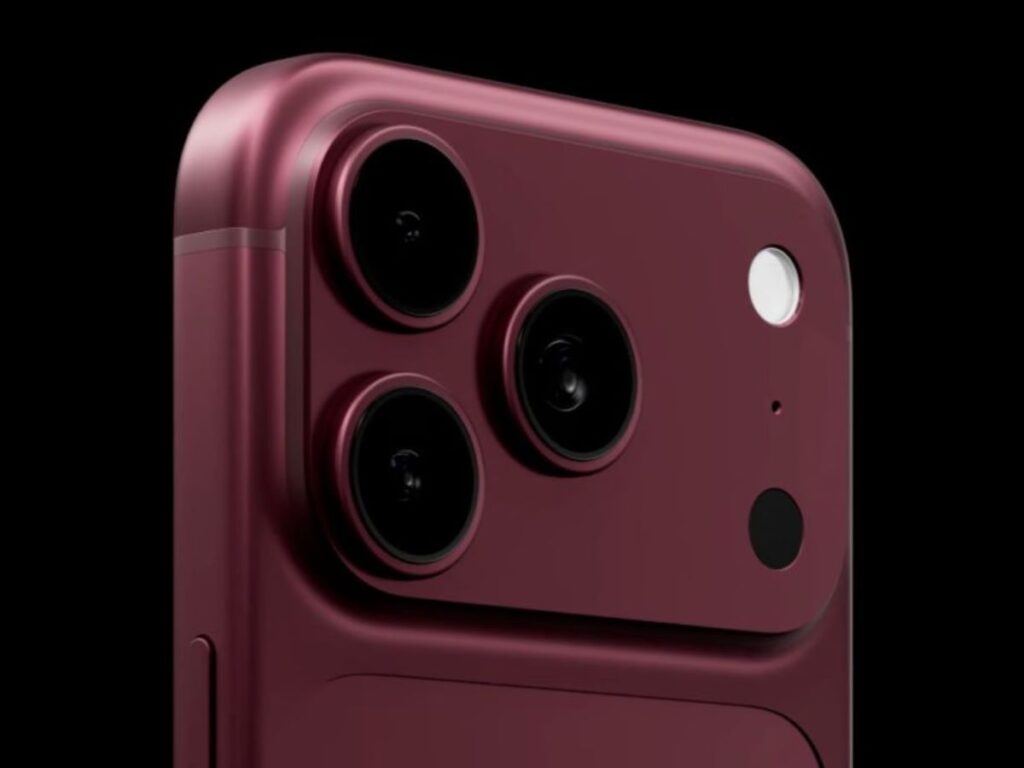
Apple’s next Pro iPhones may be headed for one of the most meaningful camera changes in years. The latest leak points to a 48MP main camera with variable aperture on the iPhone 18 Pro and iPhone 18 Pro Max, a feature that could give the company far more control over how those phones handle light and depth.
That matters because variable aperture is still uncommon on smartphones at the highest level, even though it has long been associated with professional cameras and some Android flagships. In practical terms, it would let the lens physically adjust how much light reaches the sensor, opening the door to more flexible results in low light, indoor scenes, and shots where stronger background blur is useful.
A more flexible main camera
Unlike the fixed aperture system used on current iPhones, variable aperture changes the opening depending on the scene. A wider aperture allows more light into the camera, which usually helps with night photos and indoor shooting while also producing a softer background.
A narrower aperture does the opposite. It increases depth of field, which keeps more of the frame in focus and can be especially useful for landscapes or group photos.
If Apple adopts this system, it would be a first for the iPhone lineup. It would also move the Pro models closer to a more advanced photography experience without changing the overall direction of Apple’s camera design.
Why the Pro models are getting the biggest upgrades
The leak suggests Apple is keeping the feature exclusive to the iPhone 18 Pro and iPhone 18 Pro Max. That fits Apple’s usual pattern of reserving the most visible camera improvements for the premium tier.
Ming-Chi Kuo has said the camera component has already entered production, and other supply-chain reports and analyst predictions have strengthened the rumor. Among current iPhone 18 leaks, this is one of the most serious camera claims so far.
The iPhone 18 Pro is also said to carry a triple 48MP rear camera setup. Alongside the new lens system, it is expected to use the A20 Pro chip, an upgraded Image Signal Processor, AI-based photography features, a refreshed Camera app in iOS 27, a premium titanium design, and a ProMotion display.
What is expected on the Pro Max
The iPhone 18 Pro Max is described as having a similar package, but with a larger display and a bigger battery. It is also said to have improved zoom capabilities while keeping the same triple 48MP rear camera arrangement.
That combination would place the Pro Max squarely at the top of Apple’s lineup, with camera hardware and battery life both positioned as major selling points. Apple has not confirmed any of these details.
Where the standard iPhone 18 may fit
The regular iPhone 18 appears to be headed in a different direction. Current leaks focus more on the next-generation chip, improved AI features, better battery efficiency, and a Camera app with broader customization options.
Even so, the most significant camera leap still seems reserved for the Pro models. Apple’s strategy, at least according to the current rumors, remains centered on making the premium phones the clear leaders in imaging hardware.
Timing, pricing, and production cost
Apple has not announced the iPhone 18 lineup, but the usual release pattern points to September 2026 for the iPhone 18 Pro, iPhone 18 Pro Max, and the standard iPhone 18. That would likely follow Apple’s familiar autumn launch event and the pre-order window that usually comes soon after.
Pricing also remains unconfirmed. If Apple keeps the current structure, the iPhone 18 Pro is expected to start around $999 in the US, while the iPhone 18 Pro Max may begin at $1,199.
For India, the Pro Max starting price is said to fall between ₹1,64,900 and ₹1,74,900, depending on storage, import duties, and currency movement. The new variable aperture part may also be expensive to build, with one report saying it could raise production costs by nearly 50% compared with the lens expected on the iPhone 17 Pro.
Some reports suggest Apple may absorb that increase rather than passing it directly to buyers. If that happens, the company would have more room to keep its flagship phones competitive while still introducing a camera system that could redefine the Pro line.
Source: sundayguardianlive.com