The current flagship race is no longer being decided by speed alone. Battery size, charging speed, camera hardware, and even ruggedness are now shaping which phones stand out most to buyers.
That shift is easy to see in a group of seven models that push different strengths to the front. Some aim to be affordable flagships, some focus on gaming endurance, and others try to win attention with a 200 MP periscope camera.
Battery life is becoming a headline feature
Poco F7 and Red Magic 11 Pro are two of the clearest examples of how far battery competition has gone. Poco F7 carries a 6,500 mAh battery with 90W fast charging, while Red Magic 11 Pro goes further with a 7,500 mAh capacity.
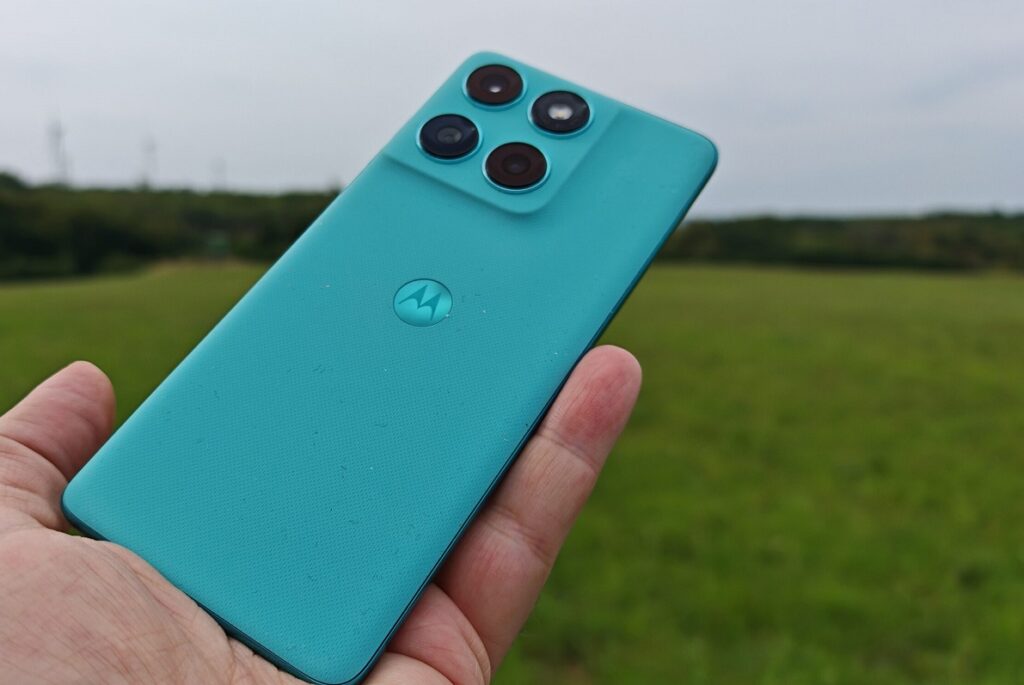
Motorola Edge 60 Fusion also enters the same conversation with a large battery and 68W Turbo Power support. Its appeal does not stop there, because the phone also brings military-grade certification and an IP68 rating for tougher everyday use.
Xiaomi’s 15T series follows a similar logic, though with a slightly different balance. Xiaomi 15T Pro includes a large battery with 90W fast charging, while Xiaomi 15T offers 67W charging that still remains competitive in the premium segment.
For many users, that combination matters more than ever. A phone is now expected to handle work, entertainment, navigation, and photography in one day, so extra capacity can make a noticeable difference when power starts running low.
Camera hardware is where the fight gets more dramatic
Among the most eye-catching names is Vivo X300 Pro. The phone uses a 200 MP ZEISS periscope telephoto camera with OIS, and it pairs that with a 50 MP main camera that also has optical stabilization.
Vivo positions the ZEISS collaboration as a core part of its imaging appeal. The result is a setup aimed at detailed zoom shots and a more serious premium photography experience.
Xiaomi 15T also leans on photography as a major selling point. It uses Leica-branded camera tuning, which gives the series a clearer identity beyond raw speed.
Xiaomi 15T Pro adds another layer of flexibility with a 50 MP triple-camera system that includes a telephoto lens. That setup should help with portraits, close subjects, and scenes that need a longer reach.
Samsung Galaxy A56 enters the camera discussion with a 50 MP main camera and OIS. That stabilization is important for keeping shots steady, especially when lighting is not ideal or the hands are not completely still.
Performance still defines the flagship experience
Poco F7 is built around the Snapdragon 8s Gen 4, with up to 12 GB of RAM and UFS 4.1 storage. The package gives it a strong position for users who want a flagship feel at what is described as a more accessible price point.
Red Magic 11 Pro takes a much more extreme route for gaming. It uses the Snapdragon 8 Elite, goes up to 24 GB of RAM, offers 1 TB of storage, and includes an Aqua Core cooling system with an internal physical fan.
Motorola Edge 60 Fusion relies on the Dimensity 7400 and a 120 Hz Quad Curve pOLED display. That combination supports both everyday responsiveness and a smoother visual experience.
Samsung Galaxy A56 comes with the 4 nm Exynos 1580, 8 GB of RAM, and 256 GB of internal storage. Its Super AMOLED display remains one of its key strengths because it is known for being bright and clear.
Vivo X300 Pro uses the Dimensity 9500 and a 120 Hz LTPO AMOLED panel. That pairing supports high-end performance while keeping the visual side firmly in premium territory.
Xiaomi 15T and Xiaomi 15T Pro both use 2K displays, with Xiaomi 15T also highlighted by a 4,000 nits peak brightness level. The focus is clearly on sharp visuals for multimedia and photography.
Different buyers will see different winners
For gamers who want long sessions with as few compromises as possible, Red Magic 11 Pro stands out as the most extreme choice. The 7,500 mAh battery, active cooling, and large memory options make it look purpose-built for heavy use.
For users who want a more balanced mix of power and value, Poco F7 appears to be the most aggressive package. Its 6,500 mAh battery, 90W charging, and Snapdragon 8s Gen 4 give it broad appeal without pushing into the most specialized territory.
Motorola Edge 60 Fusion may attract those who care more about durability than raw specs. The military-grade certification and IP68 rating add a level of protection that is not always a major focus in flagship discussions.
Samsung Galaxy A56 brings a different kind of advantage with its software support. It is said to offer six Android OS updates, which will matter to users looking for a longer usable life.
The most interesting camera duel sits between Vivo X300 Pro and Xiaomi 15T series. One leans on a 200 MP ZEISS periscope system, while the other uses Leica branding and telephoto options to target a more serious photography audience.