White stains on a car windshield are often dismissed as a cosmetic issue, but they can quickly turn into a safety concern. When the glass is cloudy, visibility drops, especially at night or during rain.
The good news is that light mold on car glass does not always require a detailing shop or a workshop visit. Several household ingredients can help lift the buildup when the marks are still in an early stage.
Start with the mildest home method
One of the simplest options is a mixture of white vinegar and water. The acid in white vinegar can help break down the mineral deposits that often cause windshield mold.
The mixture is usually prepared in a 1:1 ratio and placed in a spray bottle. After it is sprayed onto the affected area, it should sit for 5 to 10 minutes before being wiped with a microfiber cloth or a soft sponge.
Once the stain begins to fade, the glass should be rinsed with clean water and dried with a dry cloth. Drying matters because fresh water marks can appear if the surface is left damp.
Non-gel toothpaste is another common option for light stains. Its fine abrasive content can help remove early mold without being too harsh on the glass surface.
The application is straightforward: apply a small amount to the stained area, then rub gently with a soft cloth in circular motions. After that, rinse the glass and wipe it dry.
Baking soda can also be turned into a cleaning paste. It is mixed with a little water until it forms a thick paste that can be spread over the stained area.
The paste is then worked in gently with a sponge or microfiber cloth. After the stain decreases, the residue should be washed away and the glass dried immediately to avoid new marks.
When the buildup is already stubborn
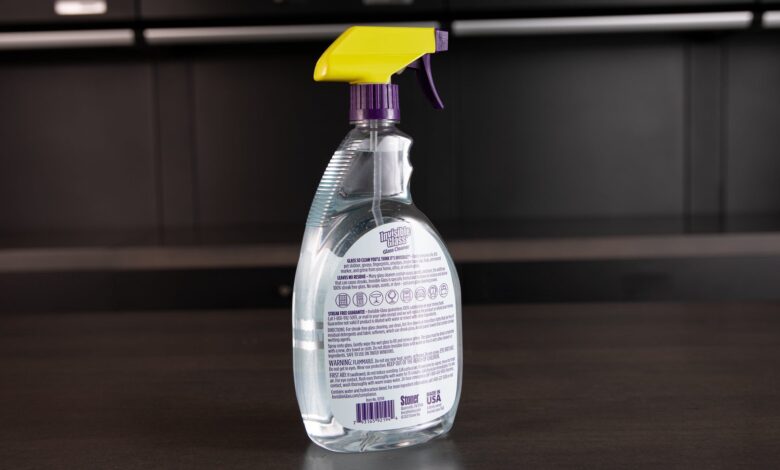
If household ingredients are no longer enough, a dedicated glass cleaner can be used next. These products are widely sold in automotive accessory stores and are generally formulated to remove water scale and mold without damaging the glass layer.
The instructions on the package should still be followed carefully. That helps the cleaner work effectively while keeping the windshield safe.
For older, more stubborn stains, a light compound can be an additional option. It is applied in a small amount to a microfiber cloth and then rubbed slowly over the affected area.
This method can be effective for tougher buildup, but pressure must stay controlled. Rubbing too hard may create scratches on the glass.
The safest approach is to begin with the gentlest method and move to stronger products only if needed. That reduces the risk of damage while still giving the glass a chance to return to a clearer condition.
How to keep mold from returning
Once the windshield is clean, prevention becomes the next priority. Mold tends to come back when the surface stays wet, is exposed to rain repeatedly, or is not dried after washing.
Regular car washing is one of the simplest habits that can help, especially after the vehicle has been hit by rain. Rainwater and leftover minerals can leave marks that later develop into stains.
Drying the glass after washing is equally important. A windshield left damp can accumulate water traces that eventually harden into residue.
Parking for too long in humid areas should also be avoided when possible. Moist conditions can speed up stain formation, especially if the car is not cleaned often.
When drying the vehicle, a clean microfiber cloth is the best basic tool. It helps clean the surface without easily leaving scratches or extra dirt behind.
Extra protection can come from applying a coating or water repellent to the glass. This layer helps reduce water buildup, which often becomes the starting point for mold.
With routine care, the windshield can stay clearer and more comfortable to look through. Visibility remains better for driving, while maintenance costs can stay low because many cleaning methods only require simple household supplies.