Tracking a phone number can be done through several routes, but not every method offers the same level of accuracy or security. Among the options often discussed, official location-sharing tools remain the clearest choice because they rely on the device owner’s consent.
That is why Google Maps is often seen as the safest route, while methods linked to WhatsApp are usually described as practical but limited. The difference matters because one approach can show live location with permission, while the other only gives an estimated position under certain conditions.
Google Maps offers real-time location sharing
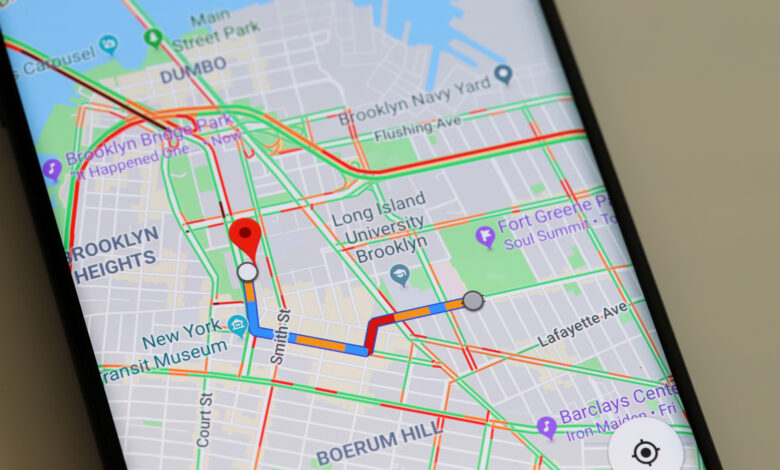
Google Maps includes a real-time location-sharing feature that lets one person view another user’s position after access has been approved. The process begins by opening Google Maps and going to the Friend List menu.
From there, the user can choose Add Friend and invite the phone number that is being monitored. The invitation must be accepted by the device owner before the location becomes visible in Google Maps.
Another route uses GPS and the Share Location menu on the target phone. The user opens Google Maps on that device, selects Location, and then chooses Share Location.
The owner can then decide how long the location will remain shared, such as for one hour or until it is turned off. Access is then sent to the email address or phone number that will receive the permission.
Because this method depends on GPS and direct consent, it remains one of the clearest ways to monitor a device’s location. The location shown updates according to the device’s live position rather than a rough estimate.
WhatsApp is often linked to IP-based tracking
WhatsApp is also frequently mentioned in conversations about phone tracking, especially through WhatsApp Web. The method that circulates online relies on the IP address that appears during communication.
It usually starts with opening WhatsApp Web and entering the target conversation. The next step is to make sure a recent message has been sent, then open Task Manager with Ctrl + Alt + Del.
After that, the user presses Windows + R, types cmd, and runs the netstat command in Command Prompt. The IP address that appears is then copied into an IP tracking service.
That service is used to estimate the device’s location, but the result is not always accurate. In practice, it should be understood as a rough indication rather than a precise position marker.
This is the main limitation of IP-based tracking. The location shown may differ from the actual place where the device is being used.
Third-party services and carrier tools are also available
Other services such as Geofind also offer phone number tracking. Users need to open the Geofind website, choose a country, and enter the phone number they want to track.
The service also asks for an email address and acceptance of its terms and conditions. After that, the user is prompted to complete the payment information required by the platform.
Geofind provides a trial period before users decide whether to subscribe. Because of that, it is important to review the billing terms and cancellation rules before using the service.
Several mobile operators in Indonesia also provide location-based services. These services generally require the approval of the person whose number is being tracked.
On Telkomsel, users can dial *250# and choose the View/Edit Friend List menu. After that, the phone number to be added is entered into the list.
Telkomsel also offers an alternative by SMS to 5200 using the format: Friend Name PhoneNumber. The feature is intended to add a number to a location-monitoring service.
Indosat provides access through *77766# by selecting the Family Location menu. Another option is sending an SMS to 9111 with the format: FIND PhoneNumber.
XL users can access the service through *1235731# and select the Family Location feature. An alternative mentioned is sending an SMS to 9111 with the format: FIND PhoneNumber.
Each method works differently, from real-time consent-based sharing to IP estimates, paid third-party services, and carrier support. For privacy and compliance, location tracking should always be done with the device owner’s permission, especially when using official sharing tools such as Google Maps.