


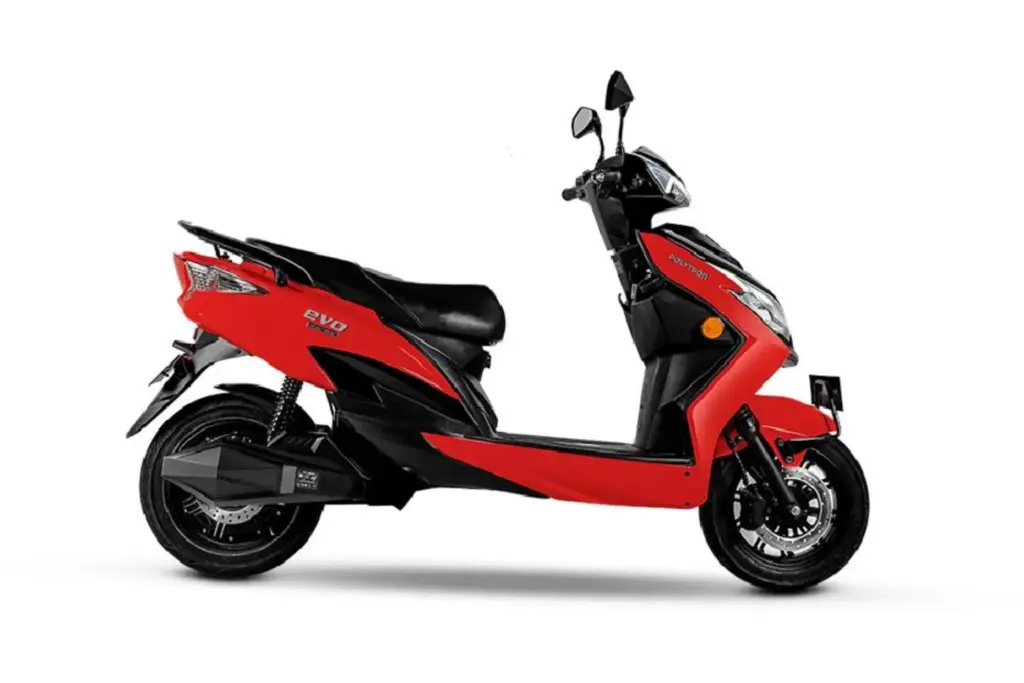
Polytron EVO 2026 is drawing attention for a simple reason: it attacks one of the most sensitive points in daily commuting, namely operating cost. In a market where urban riders closely count routine expenses, that advantage can matter as much as style or headline specifications.
The model is also being positioned as a serious contender in Indonesia’s growing electric motorcycle segment. Its appeal comes from a combination of low running costs, a more modern design direction, and efficiency-focused technology that fits the needs of city users.
Lower costs are the main draw
The strongest selling point is the reduced day-to-day expense compared with a gasoline motorcycle. With an electric drive system, riders no longer need to pay for fuel every day, which makes the EVO 2026 attractive for regular commuting.
That advantage becomes even more relevant for riders who follow the same route each day. For them, the savings are not abstract; they are felt in routine household budgeting and long-term ownership costs.
Built for city riders who want practicality
Polytron appears to be aiming the EVO 2026 at urban users who want a motorcycle that is both useful and visually appealing. The model is described as carrying a more modern and futuristic look, which should help it stand out in a segment that increasingly values design.
The styling choice also reflects a broader trend in electric motorcycles. Buyers are not only comparing efficiency, but also whether the product feels relevant to younger consumers and everyday commuting patterns.
Battery efficiency and range remain crucial
On the technology side, the EVO 2026 is expected to benefit from a more efficient battery management system. That development is intended to improve range, one of the key factors for buyers still deciding whether to switch to electric mobility.
Battery endurance continues to shape consumer confidence in electric motorcycles. A model that can better support daily activity has a clearer path to becoming a practical option rather than just an experimental one.
Charging convenience adds to the appeal
The ability to charge at home also strengthens the case for the EVO 2026. For many riders, that flexibility reduces dependence on public charging facilities for everyday use.
Although charging infrastructure in Indonesia continues to grow, home charging remains one of the clearest convenience advantages. It gives users a more familiar ownership routine and lowers the friction of moving to an electric motorcycle.
Polytron is pressing deeper into electric mobility
As a local electronics brand that has expanded into electric vehicles, Polytron is signaling a stronger commitment to the category through the EVO 2026. The model suggests the company wants a firmer place in a market that is becoming more competitive.
With lower operating costs, modern styling, battery efficiency, and flexible charging in one package, the EVO 2026 is shaping up as a model with strong market potential. If consumer response matches expectations, it could become one of the most talked-about electric motorcycles in Indonesia.