


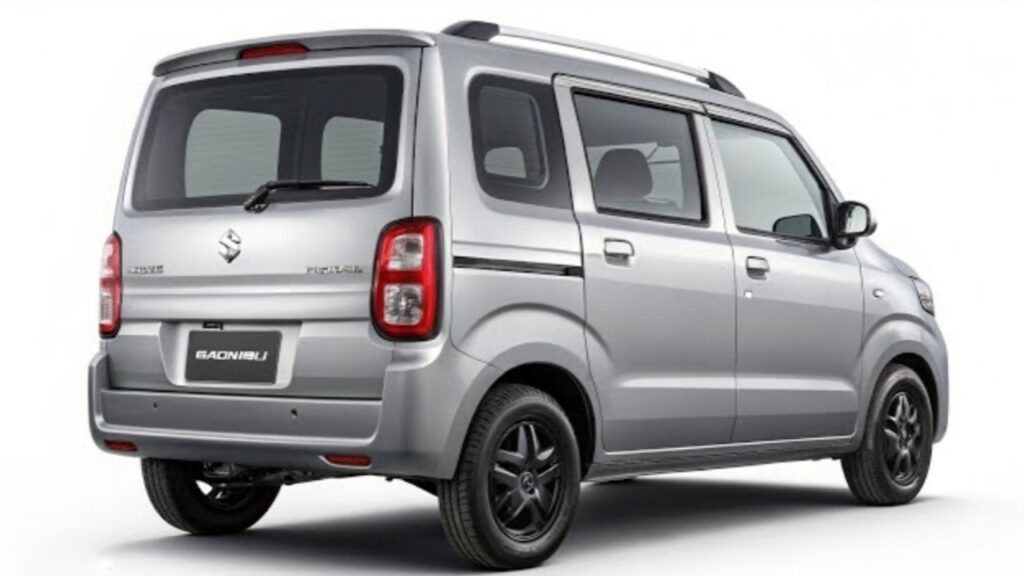
Suzuki Karimun is once again drawing attention as rumors build around a 2026 comeback in Indonesia. The strongest appeal is not nostalgia alone, but the combination of a more modern look, hybrid technology, and a price range that could keep it within reach of city-car buyers.
For urban drivers, that formula matters. Karimun has long been associated with compact dimensions, a roomy cabin, and relatively low running costs, which made it a familiar name in the city-car segment.
What is being expected from the exterior
The latest Karimun is said to be based on the global Suzuki Wagon R platform. That foundation would keep the model aligned with the practical, tall-boy character that has defined the name for years.
At the same time, the design is expected to move in a sportier direction. A larger front grille with glossy black accents, LED headlamps, sharper body lines, and new wheels are among the changes being discussed.
Those updates are aimed at making the car look less utilitarian and more contemporary. For buyers in crowded cities, that shift could be enough to give the model a fresh edge.
A cabin built to stay practical
The interior is expected to remain one of Karimun’s main strengths. Even with its compact footprint, the tall-boy layout should continue to provide generous headroom and legroom for daily use.
There are also signs that the cabin will be updated for modern expectations. A touchscreen head unit with smartphone connectivity and a digital instrument panel are among the features being linked to the new model.
Practicality is still part of the package. The rear seats are expected to fold flat, creating more cargo room when extra space is needed.
The biggest change may be under the hood
The most important update is expected to come from the powertrain. Suzuki Karimun 2026 is predicted to adopt mild hybrid technology using SHVS, or Smart Hybrid Vehicle by Suzuki.
The engine is believed to come from Suzuki’s K-Series family, with 1.0-liter or 1.2-liter Dual Jet options paired with an Integrated Starter Generator, or ISG. That setup is aimed at improving fuel efficiency while also helping reduce emissions.
Transmission options are expected to include a 5-speed manual and AGS, short for Auto Gear Shift. The AGS option would be especially relevant for city use, since it offers automatic-style convenience while still prioritizing efficiency.
Safety equipment and price expectations
Safety features are also expected to be expanded on the new Karimun. Dual airbags, ABS, EBD, parking sensors, and more responsive braking are all part of the projected equipment list.
The pricing rumor is what has kept the model in the conversation. The entry variant is expected to start at around Rp182 jutaan, while the top hybrid version is said to reach Rp210 jutaan OTR Jakarta.
If those figures prove accurate, the Karimun 2026 could return as a compact urban car with a clear value pitch. It would combine familiar practicality, a fresher appearance, and hybrid efficiency in a segment where affordability still matters most.