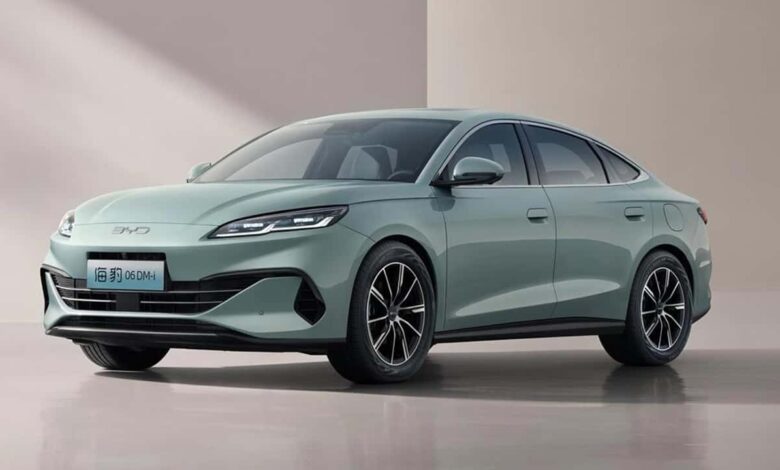
BYD Indonesia is pressing for plug-in hybrid electric vehicles, or PHEVs, to receive a separate policy treatment from conventional internal combustion cars and standard hybrids. The company wants the government to open room for PHEVs to be categorized as part of electric vehicles, along with certain incentives and regulatory ease.
The proposal matters because BYD sees PHEVs as a bridge between fossil-fuel cars and fully electric vehicles. In the company’s view, the technology deserves a policy position that reflects its electrified character rather than being treated the same as conventional hybrids.
PHEV Seen as Closer to EVs
Head of Marketing, PR and Government Relations BYD Indonesia, Luther Panjaitan, said the main orientation of PHEV technology is electric driving. He explained that the combustion engine still exists in the vehicle, but it mainly acts as support when the battery runs out or when specific conditions require it.
BYD argues that PHEVs are closer to pure electric cars than to regular hybrids because they use larger batteries and can travel a certain distance using only electric power. That difference, the company says, makes them distinct from vehicles that rely more heavily on the engine.
According to BYD, the combination of charging capability and bigger battery capacity is enough reason to separate PHEVs from the internal-combustion category. The company says this distinction should be reflected in policy, even if the incentives are not identical to those granted to battery electric vehicles.
Current Rules Still Treat Them Like Conventional Cars
At present, PHEVs have not enjoyed the same facilities already available to electric cars in Indonesia. Battery electric vehicles have received fiscal and non-fiscal incentives, while hybrids and PHEVs are still treated like conventional cars in several regulations.
One area BYD points to is vehicle identity and road access rules. Electric cars use special license plates with a blue strip, while PHEVs have not received similar treatment and are also not exempt from odd-even traffic restrictions in some areas.
That situation, BYD says, reduces the appeal of PHEVs for consumers. When the rules remain aligned with ICE vehicles, the incentive to move toward a more electrified technology becomes weaker.
Luther put it bluntly, saying, “Because right now, as long as it is hybrid, it is the same as ICE.” The comment reflects BYD’s view that current policy does not recognize the level of electrification in vehicles that can already run on electric power.
A Transitional Option That Needs Clearer Policy
BYD believes a layered policy framework is needed. In its view, not every electrified vehicle should receive identical treatment, but there should be a clear distinction between conventional cars, regular hybrids, PHEVs, and fully electric cars.
If regulations create that distinction, BYD says the growth of electrified vehicles in Indonesia could accelerate. The company sees PHEVs as a more realistic transition option for consumers who are not yet ready to move directly to full battery-electric mobility.
The company’s proposal has not yet entered intensive discussion with the government. Luther said the idea of grouping PHEVs as electric vehicles and granting incentives is still at an early stage.
Even so, BYD hopes the concept can become part of future policymaking on vehicle electrification. The company links the proposal to a broader effort to speed up the shift toward fully electric vehicles over time.
In that wider context, BYD believes PHEV incentives could help change consumer behavior faster. Drivers who still depend on fossil-fuel cars may begin switching to more electrified technology without having to jump straight to a pure electric vehicle.
If special treatment for PHEVs is eventually approved, the impact would not stop at vehicle sales. BYD says it could also support the national energy transition in the transport sector and widen the adoption of low-emission vehicle technology in Indonesia.