


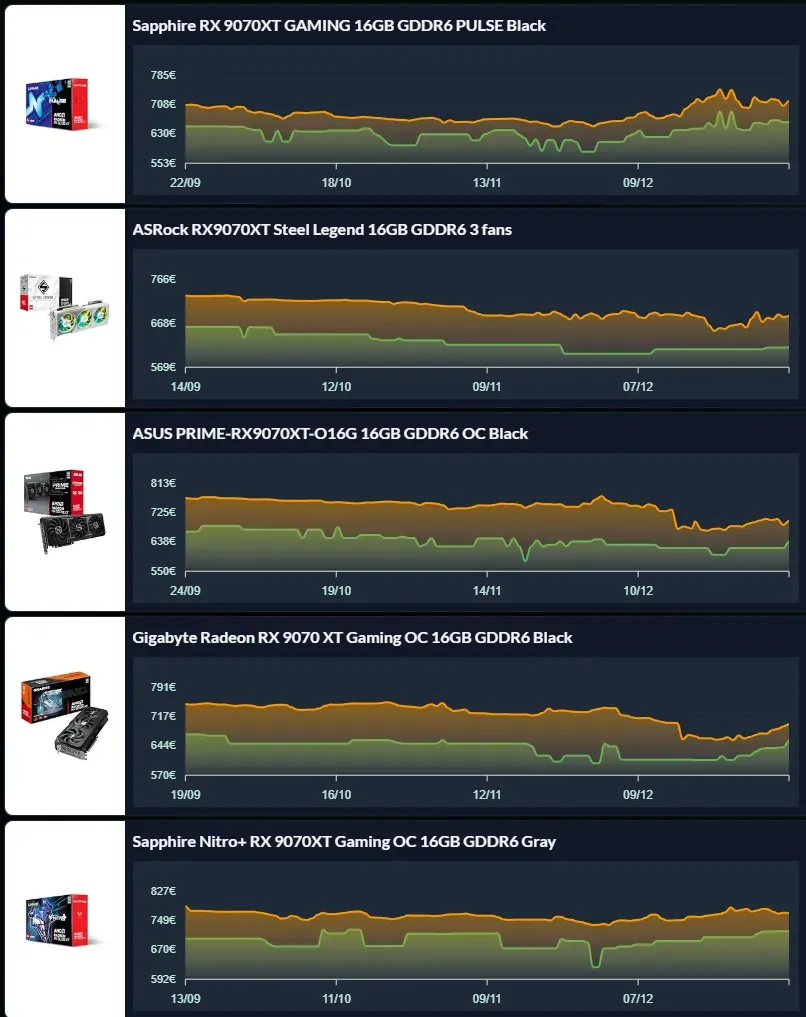
AMD may be heading toward another GPU price increase as the global memory shortage continues to tighten supply. With AI data centers absorbing more of the industry’s output, consumer buyers are facing a market where availability is thinner and pricing is becoming harder to predict.
The latest warning suggests AMD could raise GPU prices by 10% to 15% in the second half of the year, with July mentioned as a possible starting point. The report remains unconfirmed, but it fits the pressure already building across the component market.
AI demand is reshaping memory supply
The wider shortage is not limited to one part of the hardware chain. Manufacturers are giving priority to HBM, or High Bandwidth Memory, because it serves AI data center demand and carries higher value than standard RAM and consumer VRAM.
That shift has created what many in the market describe as an “AI tax,” where the cost pressure spreads into consumer products. Graphics cards are among the categories feeling that effect, alongside delays to several GPU launch schedules.
Radeon pricing is already under pressure
The MSRP for the Radeon RX 9070 XT currently sits at $599. In the mainstream market, however, the card is already being reported at around $600 to $700 because of strong demand and tight supply.
If supply costs rise by another 10% to 15%, the final selling price could climb by roughly $90 to $105. Models with larger VRAM capacities are said to face even stronger upward pressure.
Nvidia shows the same strain in a different segment
The GPU market is also hot on Nvidia’s side. The RTX 5090 is trading far above its $1,999 MSRP, with much of the available inventory reportedly priced at around $4,000, or nearly double the official figure.
The gap is partly tied to memory type and cost. Nvidia’s flagship card uses GDDR7, while AMD’s top-end model still relies on GDDR6, which helps explain the different pricing pressure across the two brands.
A forecast, not a confirmed move
Gazlog’s report has not been officially confirmed, so it should be treated as a credible forecast rather than a certainty. Even so, similar warnings have matched market movement several times over the past few months.
Some observers also expect the global chip memory shortage to last until 2028. For buyers hoping for a near-term price drop in Radeon cards, that outlook suggests caution before waiting too long.