


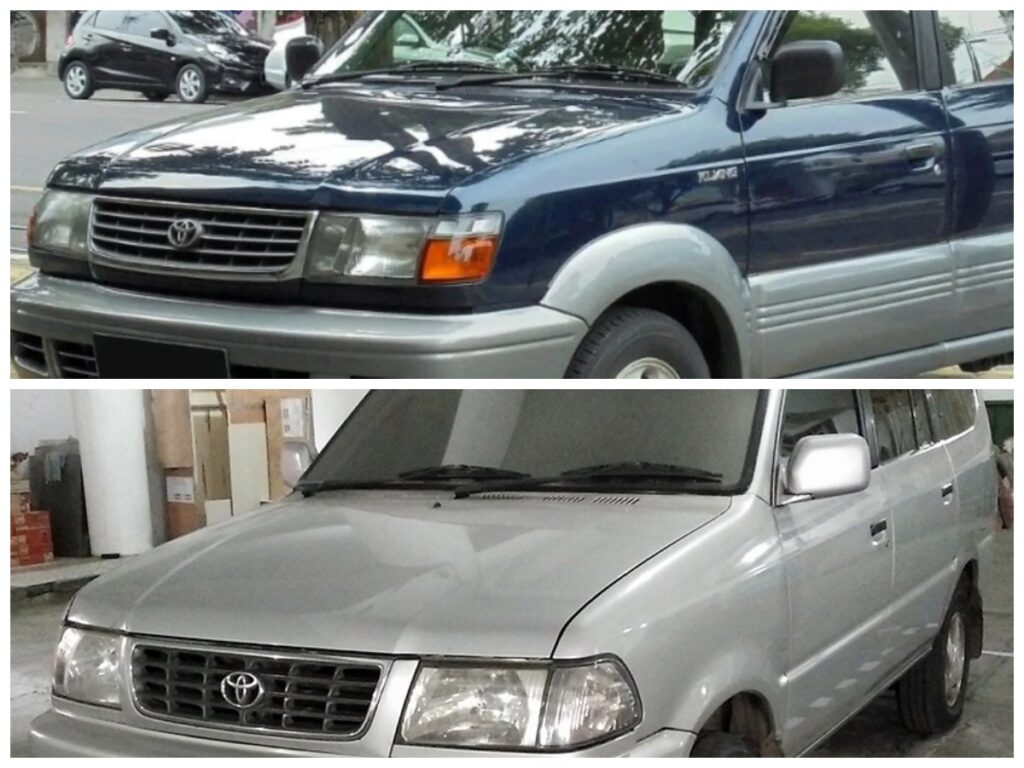
In Indonesia’s used-car market, the Toyota Kijang Kapsul remains one of the most persistent names in demand. Its appeal has lasted because it combines durability, practicality, and ownership costs that are still considered reasonable.
That combination has helped keep resale values relatively stable, even though the model has long been out of production. For many buyers, it is still seen as a family vehicle that can also handle broader everyday needs.
Why the Kijang Kapsul Still Stands Out
The fourth-generation Toyota Kijang is widely known as the “Kapsul” because of its rounded body design. The shape gives it a distinct identity that remains easy to recognize in a crowded used-car market.
Its engine reputation is one of the main reasons interest has stayed strong. Toyota offered both petrol and diesel versions, and both are regarded as dependable for long-term use.
The diesel variant, in particular, is often valued for its relatively efficient fuel consumption. That makes it attractive for long-distance driving and helps preserve its appeal among used-car shoppers.
Beyond reputation, the model continues to prove its usefulness in daily life. It is still found operating in many regions, serving both families and business users, which reinforces its image as a practical vehicle rather than just an old model.
Comfort, Space, and Running Costs
Another reason the Kijang Kapsul remains relevant is its cabin space. The interior is roomy enough for large families, making it suitable for daily travel and group trips.
For used-car buyers, that kind of space is often difficult to ignore. The Kijang Kapsul delivers it while keeping the long-standing versatility associated with the Kijang name.
The model is also regarded as comfortable across different road conditions. Its suspension is able to absorb bumps well, while the strong frame adds a sense of stability and security during driving.
Running costs are kept in check by the availability of spare parts. Replacement components are still easy to find at general workshops and parts shops, which reduces the burden of maintenance.
That easy access to parts affects ownership costs directly. When repairs are simpler and components remain relatively affordable, interest in a used vehicle tends to hold up better over time.
What Buyers Should Check Before Making a Purchase
Despite its strong reputation, any used unit still deserves a thorough inspection. The engine should be the first priority, since it has a major impact on value and day-to-day usability.
The transmission also needs to be checked carefully to ensure power delivery still works properly. Cooling system condition should not be overlooked, especially on a vehicle that is no longer new.
Suspension and underbody components are equally important because they affect comfort and stability. Any hidden wear in these areas can raise repair costs after purchase.
Buyers should also confirm that all documents are complete and match the vehicle details. Clear paperwork remains an important factor in value and provides peace of mind during ownership transfer.
With its reputation for toughness, spacious cabin, and relatively modest ownership costs, the Toyota Kijang Kapsul continues to be a compelling option in 2026. As long as the unit is well maintained and inspected carefully, it still has a strong case in Indonesia’s used-car market.