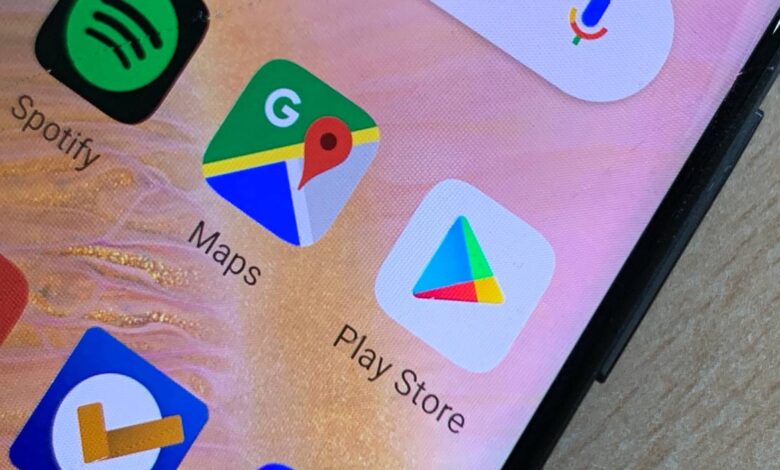
Google Play Store’s changing payment system is creating room for lower transaction costs, and that could eventually affect what users pay for digital services. The biggest question is whether developers will pass those savings on, or keep them as extra margin.
The new setup gives Android app makers more flexibility to use alternative payments inside apps or through their own websites. That flexibility matters because pricing decisions still belong to each developer, not Google.
Lower fees, but no automatic price cut
Under the revised structure, standard service fees for new installations are said to be 20% for in-app purchases and 10% for digital subscriptions. Developers that continue using Google Play Billing may face an additional billing charge.
An example cited in the policy change is an extra 5% in the United States, the United Kingdom, and the EEA. In practical terms, developers now have more room to choose the most efficient payment path for their business.
That room for savings is what creates the possibility of cheaper digital offerings. If a developer decides to share the benefit, users may see lower subscription prices, discounts, or more attractive bundles.
What users will notice in practice
Even with the new payment options, there is no guarantee that every app will become more affordable. Developers may also choose to keep the difference as profit, depending on operating costs, user acquisition expenses, and competition in their category.
That is why consumers may need to compare prices across Play Store billing, in-app alternative payments, and official developer websites. The final price can vary by channel, so checking the total amount and the payment terms is becoming more important.
Users should also review payment security, cancellation rules, and subscription refund conditions before completing a transaction. More choice can be useful, but it can also make the checkout process more complex.
Indonesia adds a legal dimension
The shift has a direct connection to competition enforcement in Indonesia. The Business Competition Supervisory Commission previously said Google required Google Play Billing and charged service fees ranging from 15% to 30%.
On 10 March 2026, the Supreme Court rejected Google’s cassation appeal. With that ruling, the KPPU decision was said to have permanent legal force.
KPPU then ordered Google to stop requiring Google Play Billing. Google was also instructed to open User Choice Billing with a minimum 5% service fee reduction incentive for one year from the date the ruling became legally binding.
More flexibility for developers, more options for users
For developers in Indonesia, the change opens several possible payment strategies. They can continue with Google Play Billing, add alternative payments, or direct users to their own websites.
Each option comes with trade-offs. Developers gain more control over costs, but they also have to keep transactions secure and manage the user experience, refunds, and subscription cancellations carefully.
For users, the most visible effect may be more pricing variety across digital services. Whether that turns into lower prices will depend on how aggressively each developer chooses to compete.