


Xiaomi is preparing a more affordable gaming phone that still leans heavily on flagship-class performance. The Redmi K90 Ultra is scheduled to launch in China on 30 June 2026, and its positioning suggests a deliberate push to attract users who want speed without paying for the newest premium tier.
The most important part of the pitch is not just the chip inside, but the way Xiaomi is packaging the device around gaming stability. The company is combining Snapdragon 8 Elite with active cooling, a dedicated graphics chip, and system-level tuning aimed at keeping performance consistent under heavier loads.
Built for gaming, not just fast benchmarks
Redmi K90 Ultra uses Snapdragon 8 Elite, a previous-generation flagship processor that is still strong enough to handle Android games and emulation smoothly. That choice gives Xiaomi room to keep the phone below the latest flagship class while still promising the kind of performance mobile gamers expect.
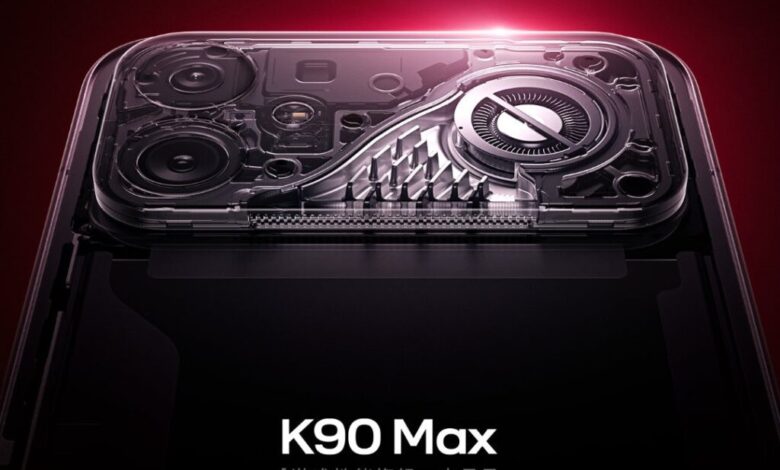
To support that focus, Xiaomi has added an active cooling fan. The company says the cooling system is the same type used on the K90 Max, is 6 percent larger than rival solutions, and produces about 32dB of noise.
Extra graphics support and broader optimization
Beyond the main chipset, Xiaomi says the Redmi K90 Ultra includes a D2 dedicated graphics chip. That hardware is meant to improve the experience when graphical demand rises, especially in more demanding games and performance-heavy scenarios.
The phone also gets optimizations for network performance, touch response, and audio. In practice, that combination points to a gaming device designed around overall consistency rather than raw processing power alone.
Display details are still hidden
Xiaomi has not revealed the screen specifications yet, but it has offered one strong hint. The company says the phone can run MOBA games at 144FPS, which makes a 144Hz panel a likely fit for the final device.
If that turns out to be correct, the Redmi K90 Ultra would align closely with competitive gaming expectations. High-refresh support would make it more appealing for players who value fast response and smoother motion in games that depend on quick reactions.
Design language follows the K90 Max
Promotional images already show the Redmi K90 Ultra, and the design appears to match the K90 Max closely. That suggests Xiaomi is keeping the K90 family visually consistent while making only limited changes to the external look.
The most noticeable difference is the rear ventilation opening, which signals the cooling-focused approach more clearly. Xiaomi has not yet disclosed the remaining specifications, and more details are expected before the China launch on 30 June 2026.
Why the Redmi K90 Ultra stands out
In a market where gaming phones increasingly compete on value as much as power, the Redmi K90 Ultra is shaping up as a practical middle ground. It pairs an older flagship chip with active cooling, a dedicated graphics chip, and extra optimization in areas that matter during long play sessions.
For users focused on emulation, demanding Android titles, and a stable gaming experience, Xiaomi’s approach is clearly targeted. The remaining specifications may determine just how aggressively the company can keep the price down while preserving the performance promise.