


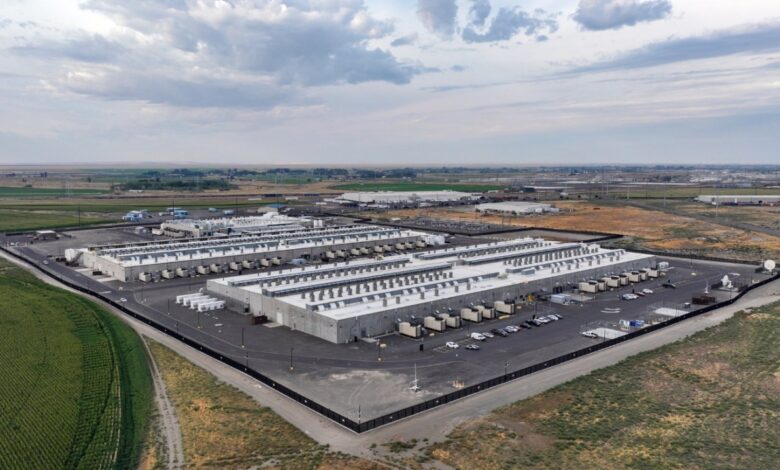
Amazon Web Services has raised the price of EC2 Capacity Blocks for ML by about 20 percent, a move that could eventually reach end users through higher AI-powered service fees and enterprise software costs.
The change matters because many AI applications run on AWS infrastructure behind the scenes. When the underlying cloud cost rises, companies that rely on those resources may have less room to absorb the expense.
What is becoming more expensive
EC2 Capacity Blocks for ML are used by companies that reserve GPU capacity for machine learning and other AI workloads. AWS said the reservation price is updated periodically based on supply and demand.
This is not the first increase for the service. AWS already lifted the price by about 15 percent in January, making the latest adjustment another sign of tighter economics in AI infrastructure.
| Service | Recent Price Move | Why It Matters |
|---|---|---|
| EC2 Capacity Blocks for ML | About 20% higher from July | Reserved GPU capacity for AI and machine learning workloads |
| EC2 Capacity Blocks for ML | About 15% higher in January | Earlier increase on the same service |
For businesses that need guaranteed GPU access, the higher reservation cost can narrow margins quickly. Companies may respond by slowing AI expansion, absorbing the hit, or passing some of it on to customers.
Why the pressure is spreading
The price move comes during a wider industry squeeze tied to AI hardware and memory. Several major technology companies have already acknowledged that rising memory costs are affecting their businesses.
Apple has increased prices on some product lines, Xbox has announced higher prices, and Elon Musk has publicly pointed to the sharp rise in memory costs. Those signals suggest the pressure is not limited to one vendor or one product category.
The biggest constraint is high-bandwidth memory, or HBM, which is essential for modern AI processors. When HBM supply cannot keep up with demand, the number of GPUs that can be produced also becomes limited.
That bottleneck slows the pace at which new AI data centers can be built. Peter Berezin, chief economist at BCA Research, said on X that there is a limit to how much memory can be produced, which then restricts GPU output and ultimately data center construction.
Berezin also argued that cloud providers are well positioned to pass on higher costs. Demand for AI computing remains above available supply, giving infrastructure providers stronger pricing power than many of their customers.
That dynamic is especially important for companies building AI services on top of AWS. If reserved compute becomes more expensive and demand stays strong, the extra cost can cascade into subscription pricing, enterprise contracts, and other user-facing charges.
Broader market effects
The same supply squeeze has improved prospects for memory chip makers such as Micron and SK Hynix. Investors expect AI-driven demand to keep the memory market tight and prices elevated for an extended period.
For cloud customers, the immediate issue is not a one-time adjustment but the possibility of sustained cost pressure. As long as key AI components remain constrained and demand stays elevated, cloud pricing may continue to shape the cost of digital services across the market.