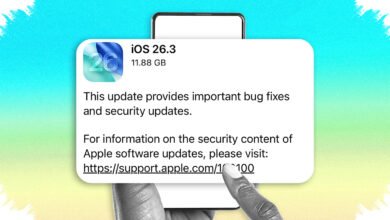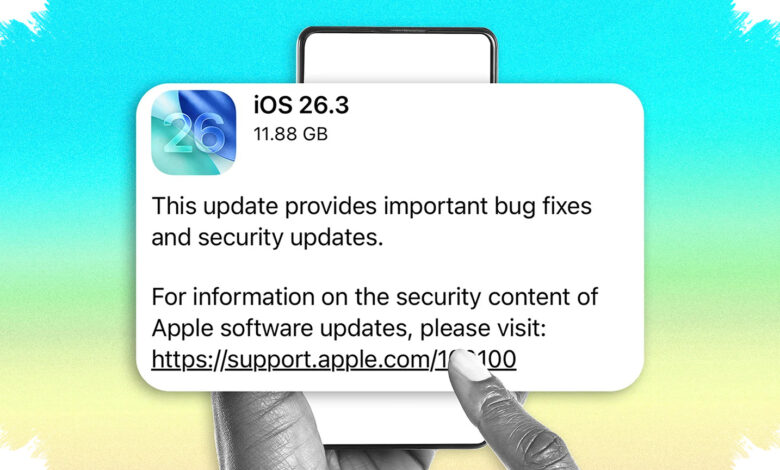
Apple has moved faster than expected with iOS 26.5.2, releasing the update before the company’s usual monthly schedule. The timing signals a sharper security response, after a vulnerability was discovered and Apple chose not to wait for the next routine cycle.
The update was released on Monday, June 29, 2026. For iPhone users, the message is straightforward: install the latest version as soon as possible, because this release is centered on security rather than new features.
A faster release strategy
The early rollout marks a notable shift in how Apple may handle future iPhone updates. Instead of relying only on a predictable monthly pattern, the company now appears more willing to push security patches whenever a risk is judged urgent.
That approach matters because threats can develop quickly, and a delay of even a few weeks can leave devices exposed. By moving iOS 26.5.2 forward, Apple is signaling that protection can take priority over schedule.
What Apple has said, and what remains undisclosed
According to Reuters, the accelerated release is tied to a security flaw that was found before the next planned update window. Apple has not shared the technical details of the vulnerability, but it still moved quickly to distribute the fix.
This is consistent with a broader industry practice: patch first, disclose later when necessary. The goal is to reduce the chance that attackers can exploit a weakness before users have updated their devices.
| Update | Release Date | Main Purpose | Key Detail |
|---|---|---|---|
| iOS 26.5.2 | Monday, June 29, 2026 | Security patch | Released ahead of Apple’s usual monthly update cycle |
Why this matters for iPhone users
System updates are not only about visible changes or new tools. They often include bug fixes and security improvements that close known gaps, which is why skipping them can leave a device vulnerable.
For many users, the most important part of an update is what cannot be seen. A small version number can still carry a critical protection layer that helps keep personal data and device access safer.
Apple’s decision also suggests a more flexible patch model for the future. If another serious threat appears, the company may again move outside the standard cycle and release a fix as soon as needed.
That would give iPhone owners faster protection and reduce the waiting time between a threat being identified and a patch reaching devices. In practical terms, it makes the update process more responsive to real-world risks.
The shift is also a reminder that security maintenance has become a central part of the smartphone experience. As cyber risks become more complex, fixed schedules alone may no longer be enough to protect users at the pace threats emerge.
Apple has not revealed the full technical scope of the flaw addressed in iOS 26.5.2, but the company’s response already makes its priority clear. Users are being urged to update promptly so their devices stay aligned with the latest protection Apple is able to deliver.