


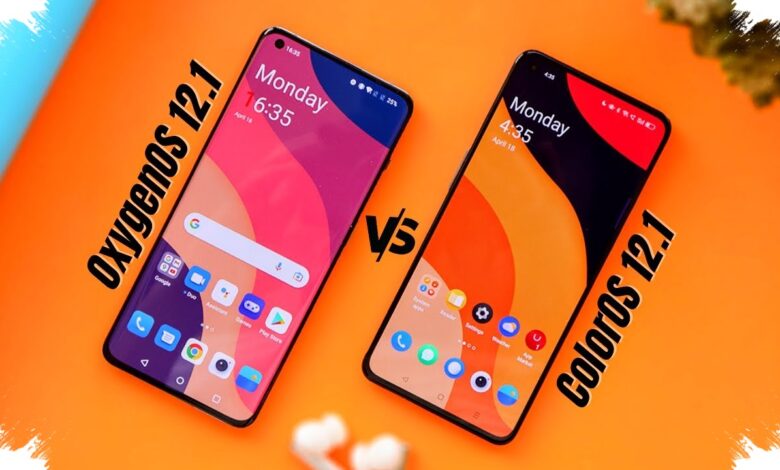
OnePlus may be heading toward one of its biggest identity changes yet. Reports suggest that OxygenOS, the software many users associate most closely with the brand, could be phased out on future global devices and replaced entirely by ColorOS.
If that happens, the change would affect more than just the name on the settings screen. It would mark a deeper consolidation inside OPPO’s smartphone business, with OnePlus and realme reportedly being folded into the company’s core structure.
A shift that goes beyond software
According to Smartprix, citing an anonymous industry source described as highly reliable and experienced, OPPO has begun a broad consolidation of its smartphone operations. In that process, OnePlus and realme are said to be moving closer to the center of the parent company’s strategy.
The most visible consequence for users would be the software lineup. OxygenOS and realme UI are reportedly no longer expected to appear on future global devices, as OPPO pushes toward a single ColorOS-based experience.
This would be a major change for OnePlus, especially outside China. For years, OxygenOS has been one of the main reasons many buyers chose OnePlus over other Android phones.
| Brand | Current Software Identity | Reported Future Direction |
|---|---|---|
| OnePlus | OxygenOS | ColorOS on future global devices |
| realme | realme UI | ColorOS on future global devices |
OnePlus may narrow its focus
The same report says OnePlus is set to concentrate its business more tightly on India and China. At the same time, realme is said to be reducing its presence in China in order to focus more on overseas markets.
That direction suggests OnePlus may no longer be managed as a broad global growth brand in the way it once was. For users outside its two key markets, that raises questions about device availability, long-term support, and the company’s product roadmap.
The changes did not appear overnight. Rumors about OnePlus losing prominence have been building for months, especially after reports that OPPO planned to integrate OnePlus and realme into its main corporate framework.
OxygenOS and ColorOS have already grown closer
In technical terms, OxygenOS and ColorOS have already been converging for some time. In 2021, OnePlus merged OxygenOS with ColorOS through a shared codebase.
At the time, the company said the two software experiences would still be kept separate to suit their different regions. Over time, however, OxygenOS has increasingly looked like a customized version of ColorOS, with fewer visible differences than before.
China has also long used ColorOS on OnePlus phones instead of HydrogenOS, which was once the brand’s China-specific variant. That history makes a full global transition feel less abrupt from a technical standpoint, even if it would still be a major branding shift.
No official confirmation yet
Despite the growing speculation, OnePlus has not issued a fresh public response on the matter. Earlier in the year, OnePlus North America said the company’s operations were still running and that full support for users remained in place.
More recent attempts to get a new statement about the U.S. and global markets have not received a response. As a result, the company’s position outside India and China remains unclear.
That silence has kept the discussion alive, especially as observers continue to read signals from distribution and sales strategy. If the consolidation report proves accurate, the impact would reach far beyond internal corporate structure.
It would also reshape how OnePlus is perceived by users who have long treated OxygenOS as part of the brand’s identity. For many of them, losing OxygenOS would feel like the end of an era rather than a simple software refresh.