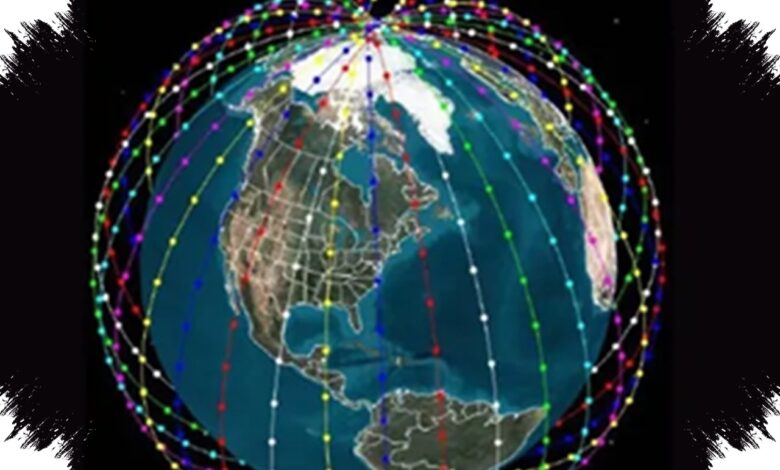
A proposal to place large-scale data centers in space is drawing sharp criticism from scientists and environmental groups, who say the plan could intensify pressure on Earth’s orbit before its environmental impact is properly reviewed.
The warning is no longer theoretical. A growing wave of satellite-data-center license requests has reached the U.S. Federal Communications Commission, and campaigners say the agency is moving too quickly without examining the full consequences.
Why the FCC Is Facing Pressure
Earthjustice, speaking for a coalition of environmental organizations, is urging the FCC to conduct a thorough environmental review before approving launch permits. The group argues that the regulator must account for both direct and cumulative effects, not just the launch of individual satellites.
The strongest concern centers on SpaceX’s application to launch as many as 1 million satellites. Critics say the FCC approved that request without requiring an environmental impact analysis for each satellite or for the total effect of a massive orbital buildout.
| Issue | Key Data | Main Concern |
|---|---|---|
| SpaceX application | Up to 1 million satellites | No required environmental impact analysis |
| Current orbit conditions | About 15,000 active satellites and 46,000 trackable objects | Higher risk of orbital congestion |
| Starlink projection | 58,000 active satellites | Sharp growth in man-made objects in orbit |
Public Employees for Environmental Responsibility Executive Director Tim Whitehouse said the approach is not consistent with global safety principles. He said pollution, debris, and threats to wildlife should be weighed before any project is licensed.
“Allowing one million data centers to orbit without environmental review is not just irresponsible, it is reckless,” Whitehouse said in a formal statement. He added that risks to the atmosphere, debris, and wildlife cannot be ignored.
Orbital Congestion and Debris Risks
Experts warn that a dramatic increase in satellite numbers could worsen congestion in Earth orbit and raise the chance of collisions. Such collisions could create millions of new fragments of space junk.
There are also concerns about greenhouse gas emissions from rocket launches and the release of heavy metals when decommissioned satellites burn up in the atmosphere. Those effects, critics say, extend the debate far beyond the launch pad.
Earthjustice senior attorney Jan Hasselman said the FCC remains legally bound when authorizing projects that treat space as a new frontier. He said regulators must consider every risk and impact tied to the proposal.
“The law requires the FCC to consider all risks and impacts of this proposal,” Hasselman said, adding that the organization would sue if the agency is found not to comply.
Dark Skies and Wildlife Under Threat
The criticism is not limited to debris and emissions. The coalition also says extreme light pollution could permanently alter the night sky and interfere with astronomical observation.
Ruskin Hartley, Executive Director of DarkSky International, said naturally dark skies have value that must be protected. He warned that these projects could damage the broader environment if they are not closely monitored.
Light pollution may also disrupt wildlife behavior by changing migration patterns and the feeding schedules of nocturnal predators such as bats and mountain lions. That disruption could spread through the food chain that depends on those rhythms.
Hartley said the FCC must take its duty seriously and ensure that these projects do not cause unnecessary harm to natural dark skies or the environment as a whole. For opponents, the issue is not simply technological ambition, but whether orbital expansion is being pushed ahead without enough restraint.