Iran reportedly identified the locations of mobile phones used by United States military personnel at bases and hotels across the Middle East. The location information was allegedly used to support the selection of targets for attacks.
The reported operation highlights how vulnerabilities in older 2G and 3G mobile infrastructure can remain consequential even for phones that support 4G and 5G. Some US personnel were reportedly injured in attacks after their locations had been identified.
Financial Times reported that the alleged tracking activity took place before the war and during the conflict’s early days. The account cited research by Mobile Surveillance Monitor and several anonymous government officials familiar with Iran’s intelligence operation.
How Phone Locations Were Reportedly Obtained
The alleged operation involved Signaling System 7, or SS7, a telecommunications protocol suite used by mobile operators to exchange information. It supports functions including voice calls, SMS delivery, and international roaming.
An attacker does not necessarily need to install malware on a target device to seek location information. With access to an operator’s signaling network, a request for a phone’s location can be made in a way that appears to come from an authorized party.
| Technology | Usual Function | Reported Security Risk |
|---|---|---|
| SS7 | Connects calls, SMS, and roaming between operators | Location tracking, communication interception, SMS diversion |
| Digital advertising technology | Uses location and user behavior for tailored promotions | Monitoring an individual’s movements |
Iran was reportedly able to locate phones used by US personnel in Iraq, Bahrain, and other Middle Eastern countries. The available location data could provide an estimate of a device’s position through the cellular tower to which it was connected.
Why SS7 Remains Exposed
SS7 was developed beginning in the 1970s and was designed around the assumption that telecommunications operators trust one another. That assumption becomes a serious weakness when signaling-network access is obtained by parties seeking to conduct surveillance.
The protocol has long been known to contain weaknesses that can enable location tracking, communication interception, and the redirection of text messages. Financial Times said intelligence agencies in several countries have previously abused SS7 to track phones beyond their own borders.
Operators can deploy SS7 firewalls to block suspicious signaling requests. However, the level of protection varies between operators and countries.
Older Networks Still Matter
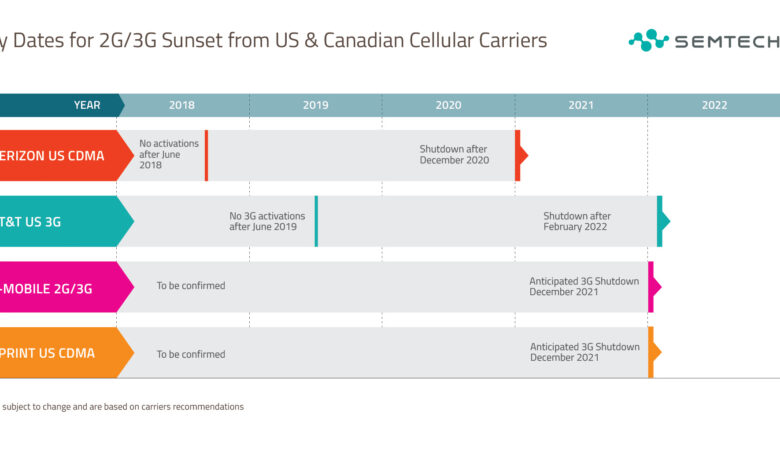
2G and 3G networks are still used in some countries for voice services, SMS, older devices, and areas without access to newer networks. This continued use makes it difficult to fully retire legacy systems that remain necessary for compatibility across operators and services.
Phones may also automatically fall back to 2G or 3G when 4G and 5G signals are unavailable or when certain services rely on older networks. As a result, SS7-related weaknesses can still affect devices that are otherwise capable of using newer mobile standards.
The alleged case also points to the military value of data created by civilian telecommunications infrastructure. Location information becomes especially sensitive when it can be associated with personnel identities, military sites, or patterns of movement.
Advertising Data Adds Another Route
Iran was also said to have used digital advertising technology to obtain mobile-user location information. Such data is generally collected to deliver promotions matched to a user’s location, interests, and habits.
However, the same information can be misused to monitor specific individuals. Its use in military or intelligence activity may also create risks for civilians, local workers, and journalists located in the same area as military personnel.
Iran had not issued an official response to the allegation when the report was published. The US government had also not made a public comment on the reported use of SS7 to track its military personnel.