As AI tools become more capable of producing realistic faces and voices, the line between authentic content and machine-made material is getting harder to see. That concern is now pushing watermarking to the center of the discussion as a practical way to help the public identify AI-generated media.
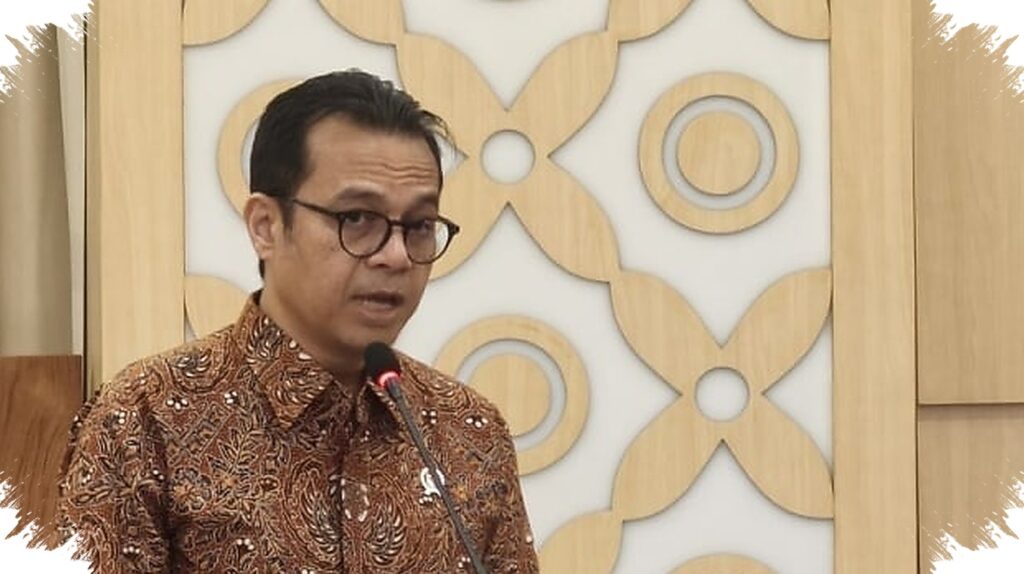
Nezar Patria, Deputy Minister of Communication and Digital Affairs, warned that deepfake content has reached a level of realism that can mislead audiences. Speaking in Yogyakarta after opening the AI Talent Factory Workshop at Gadjah Mada University, he said generative technology can create convincing photos and audio, including speech that was never actually said in the real world.
Why watermarking matters
Nezar stressed that a clear marker is increasingly necessary because the boundary between real and synthetic content continues to blur. In that situation, visual or technical labels can help prevent manipulated digital material from being accepted as fact.
“Here is where it is important for AI developers and users to provide a sign or watermark that this is an AI product,” Nezar said. He framed the issue not only as a technical matter, but also as part of the effort to curb disinformation in digital spaces.
The need for such labeling becomes more urgent when AI-generated content can spread quickly across platforms. Without a clear marker, people may struggle to tell whether a piece of content has been altered and could end up sharing it further.
Older adults are especially vulnerable
Nezar also pointed out that the risks of AI-driven disinformation do not affect all groups equally. Older adults and the elderly were mentioned as among the most vulnerable because many are not yet familiar with how to distinguish accurate digital information from false material.
In that context, deepfakes can appear highly convincing and earn trust before being circulated more widely. Watermarking is therefore seen as a practical aid for protecting groups that are more easily affected by misleading content.
The marker is not only useful for careful users who already check information closely. It also helps limit opportunities for misuse by people who want to exploit technology for deception.
Regulation has limits
Nezar noted that current government regulation through PP Number 17 of 2025, also known as PP Tunas, is aimed at protecting children in digital spaces. He said the regulation does not specifically cover older age groups.
“PP Tunas is indeed dedicated to creating a healthy digital landscape for children, so it does not target older people,” he said. That leaves room for additional approaches to address the needs of older users who may face different digital risks.
This is one reason watermarking is being discussed as an important first layer of protection. If regulation does not yet reach every vulnerable group, content markers can still help audiences recognize digital information more carefully.
Talks with global platforms continue
The Ministry of Communication and Digital Affairs is also said to be in ongoing communication with global technology companies to encourage watermark adoption on AI-generated content. Major platforms such as Google, Meta, and TikTok have reportedly responded positively to the initiative.
“Dialogue continues with several tech companies, and we appreciate their collaborative response in adopting rules, including age restrictions and concrete technology solutions,” Nezar said. His remarks suggest that the effort will be more effective if platforms themselves support the labeling system where content is distributed.
With AI now able to produce photos, voices, and videos that can look nearly indisputable, a visible watermark offers one of the simplest ways to keep the information space safer from disinformation.
Source: www.suara.com