The memory market is still under pressure, and that means RAM prices are unlikely to ease soon. Supply remains tight across the global market, while demand from AI-related workloads continues to absorb much of the available output.
A fresh report cited by Nikkei Asia points to relief arriving only gradually, with the shortage of RAM expected to begin easing no earlier than 2027. That timing suggests that 2026 will still be a difficult period for buyers, especially as consumer demand must compete with the rapidly expanding needs of AI infrastructure.
AI demand is reshaping memory allocation
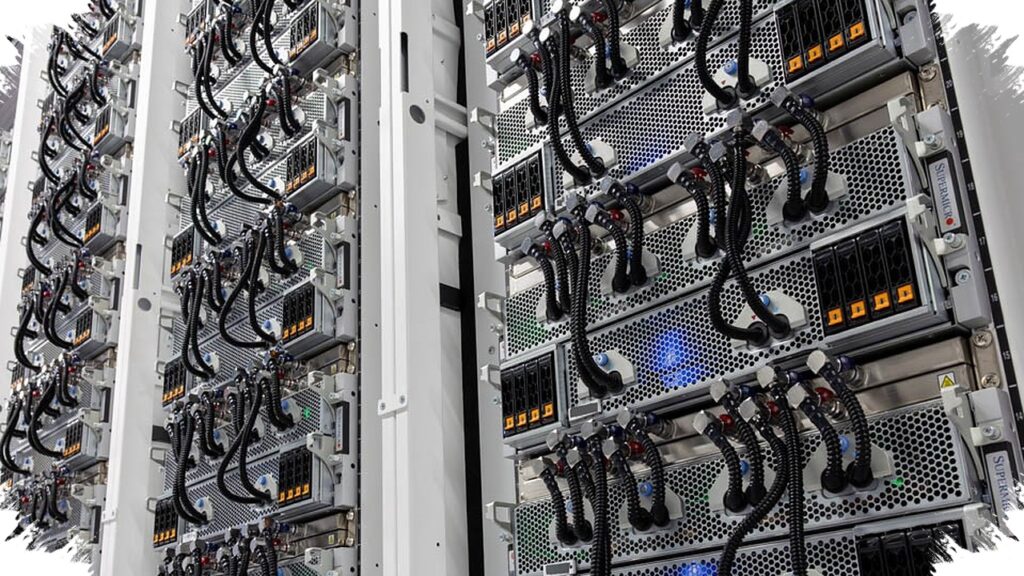
One of the main reasons prices remain firm is the way chipmakers are prioritizing capacity. More production is being directed toward memory products that support AI processing, leaving less room for mainstream consumer supply.
That shift has made the market more constrained, not just for RAM but also for storage and other PC components. As long as AI-related demand stays strong, the amount of available memory for ordinary PCs is likely to remain limited.
In practical terms, that leaves little space for a meaningful drop in prices. Unless supply expands faster than demand, the market has few conditions that would normally drive RAM costs downward.
New factories will not solve the shortage quickly
Expanding manufacturing capacity sounds like the most obvious fix, but the process takes time. Building large semiconductor facilities is slow, and the impact is rarely felt immediately in the market.
Nikkei Asia reported that Samsung Electronics, described as the world’s largest memory chip maker, plans to bring its fourth fabrication plant at the Pyeongtaek campus in South Korea into operation in 2026. Even so, full-scale mass production is not expected until 2027 or later.
That gap matters. A factory beginning operations does not automatically mean a sudden wave of supply, especially when commercial output still needs time to ramp up. For buyers waiting for prices to fall, that delay keeps the market tight for longer.
Not all of the new capacity will go to RAM
The Pyeongtaek facility is also not expected to focus entirely on memory. The same report says it will produce logic chips for computing as well, which means the added capacity will be shared across different product lines.
That mixed production plan reduces the amount of new supply that can flow directly into the RAM market. As a result, the additional factory does not translate into an immediate or complete answer to consumer shortages.
This is part of why 2026 is not being seen as a turning point. Even when more capacity starts to come online, it may be spread across multiple chip categories rather than concentrated on the memory products most needed by PC users.
A separate AI-focused line may come even later
Samsung is also reportedly preparing a fifth production line in Pyeongtaek, and this one is expected to focus on RAM designed for AI tasks. That move could help relieve some of the pressure created by the current split between AI demand and consumer supply.
If AI-specific memory gets its own dedicated line, the broader market could eventually see some breathing room. But that relief is still distant, since the line is not expected to arrive until 2028 or later.
For now, that means consumers and PC builders may need to plan around a market that stays expensive longer than usual. The combination of strong AI demand, delayed factory output, and limited short-term additions to supply continues to support high RAM prices.
Storage products are facing similar pressure as well, making the wider PC component market less likely to return to normal quickly. Until meaningful new capacity appears and AI demand eases, pricing conditions are expected to remain stubbornly firm.
Source: www.xda-developers.com