Great Wall Motor is preparing a broader return to Europe with a product plan that goes well beyond a single technology pitch. The Chinese automaker is lining up 10 new models by the end of 2026, while also stepping away from an approach that relied too heavily on pure electric vehicles.
The shift comes as demand for battery-only cars in Europe is said to be slowing down. Rather than betting everything on BEVs, GWM is moving toward a more flexible lineup that can address buyers weighing price, technology, and everyday usability before making a full switch to electric driving.
A wider mix of powertrains
For years, GWM’s European presence was closely tied to Ora, the brand associated with fully electric cars. That image is now changing as the company adopts a more technology-neutral strategy and treats EVs as only one part of the plan.
The new portfolio will include battery electric vehicles, plug-in hybrids, and models with internal combustion engines. This approach suggests GWM is recalibrating its offer to fit a market that has not yet settled into a full transition to electric mobility.
That change also points to a simpler way of presenting the business in Europe. Instead of separating sub-brands too strictly, GWM appears to want a clearer product structure that is easier for local buyers to understand.
Expansion starts in key markets
After a period of consolidation and the closure of its European headquarters in Munich, GWM is preparing a staged comeback. Italy and Spain are scheduled to be the next markets in June, followed by Poland in July.
By the end of that expansion phase, GWM aims to operate in 13 European countries. The plan shows that the company is not only returning, but also rebuilding a stronger and wider regional footprint.
The expansion is also meant to bring the supply chain closer to local markets. With a more organized distribution setup, GWM expects to improve sales efficiency while adapting products more closely to the needs of each country.
Local production is part of the plan
GWM is also looking beyond distribution and into manufacturing. The company plans to build its own production facility in Europe by 2029, with capacity for up to 300,000 units per year.
A local plant would help speed up deliveries to the region. It could also reduce exposure to import restrictions or tariffs that might otherwise affect pricing.
That makes the comeback look more permanent than temporary. GWM seems intent on building a business structure that can remain competitive even if market conditions shift or trade rules become tougher.
Ora 5 leads the next product wave
The first new model on the list is the Ora 5, which is set to arrive in the first half of 2026. The city car will be offered with EV, petrol, and hybrid powertrain choices.
That multi-powertrain setup reflects a broader change in how GWM reads consumer demand. Instead of forcing one technology on every buyer, the company is preparing more options to match different budgets and preferences.
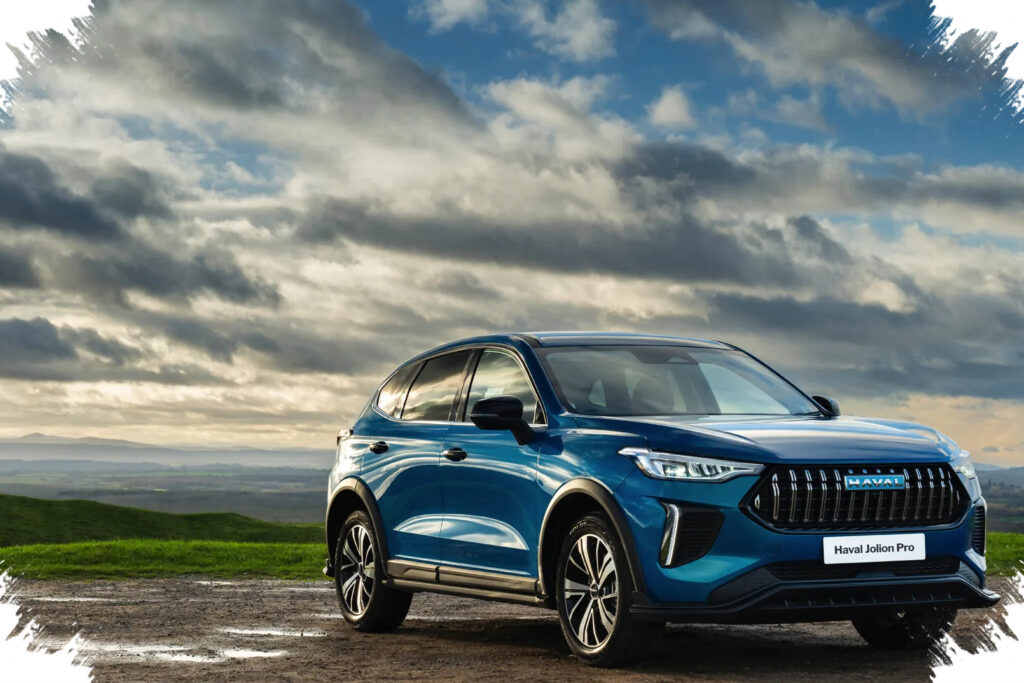
After the Ora 5, GWM is also set to launch the Jolion Max SUV and the H7 off-road model. Together, those vehicles show that the expansion will not stay within one segment, but will target different types of European customers.
One platform, more flexibility
To support the wider lineup, GWM will rely on its GWM ONE platform. The system is designed to let the company adjust models and powertrain options more quickly as demand changes.
That flexibility matters in a region where interest can shift between EVs, hybrids, and conventional engines. Using a single platform under one brand umbrella should give GWM more room to respond without depending on one dominant technology trend.
With 10 new models planned, a presence in 13 countries, and a production target of 300,000 units annually, GWM’s European strategy now looks built for scale as well as adaptability. The company is returning with a portfolio meant to fit a market that is still moving, rather than one that has fully decided on a single electric future.