Toyota Sienta offers a useful case study in how a well-equipped MPV can still struggle to stay relevant in Indonesia. The model combined seven-seat practicality, compact dimensions, and sliding doors, yet it did not manage to secure a long life in the local market.
That contrast is what makes Sienta stand out. On paper, it looked like a smart family car with features that even positioned it above Honda Freed in some respects, but market acceptance never grew strong enough to support its presence for long.
Compact body, full family function


Sienta was designed for urban use, with a 1,500 cc front-mounted engine and a body size that remained easy to handle in city traffic. At the same time, it still carried seven passengers, which gave it the kind of versatility many family buyers want.
The format appealed to drivers who needed something smaller than a large MPV but still wanted a proper people mover. That balance of compact shape and flexible cabin made Sienta different from bulkier family models.
Practical access and flexible cabin layout
One of the model’s most noticeable advantages was its power sliding door. The feature opened automatically and made entry and exit easier, especially in tight parking spaces where conventional doors can be inconvenient.
The second row did not use captain seats, but it still accommodated three passengers. That setup kept the cabin useful for family duty while preserving a straightforward seating arrangement.
Sienta’s rear-seat folding system also set it apart from many rivals. Instead of folding sideways or flat into the floor, the seats tucked into the lower storage area, which created a larger luggage space when cargo room was needed.
Storage space was part of the appeal
Under the folding area, Toyota still оставed under storage, while the spare tire remained positioned beneath the vehicle. The arrangement showed that the cabin was built with efficiency in mind, not just passenger count.
That approach also helped create a cabin with many storage spots. In a review quoted from the automotive channel Ridwan Hanif, Sienta was described as having a large number of compartments, including sizable cup holders for both the driver and rear passengers.
Features that felt advanced for its class
Beyond space management, Sienta also brought a set of features that made it feel modern at the time. The model was said to include keyless entry, push start button, an LCD speedometer display in the center, safety control, hill start assist, and LED headlights and taillights.
Those items made the car look more complete than many other compact MPVs. For family buyers, that kind of equipment often adds the impression of a more premium and technologically advanced vehicle.
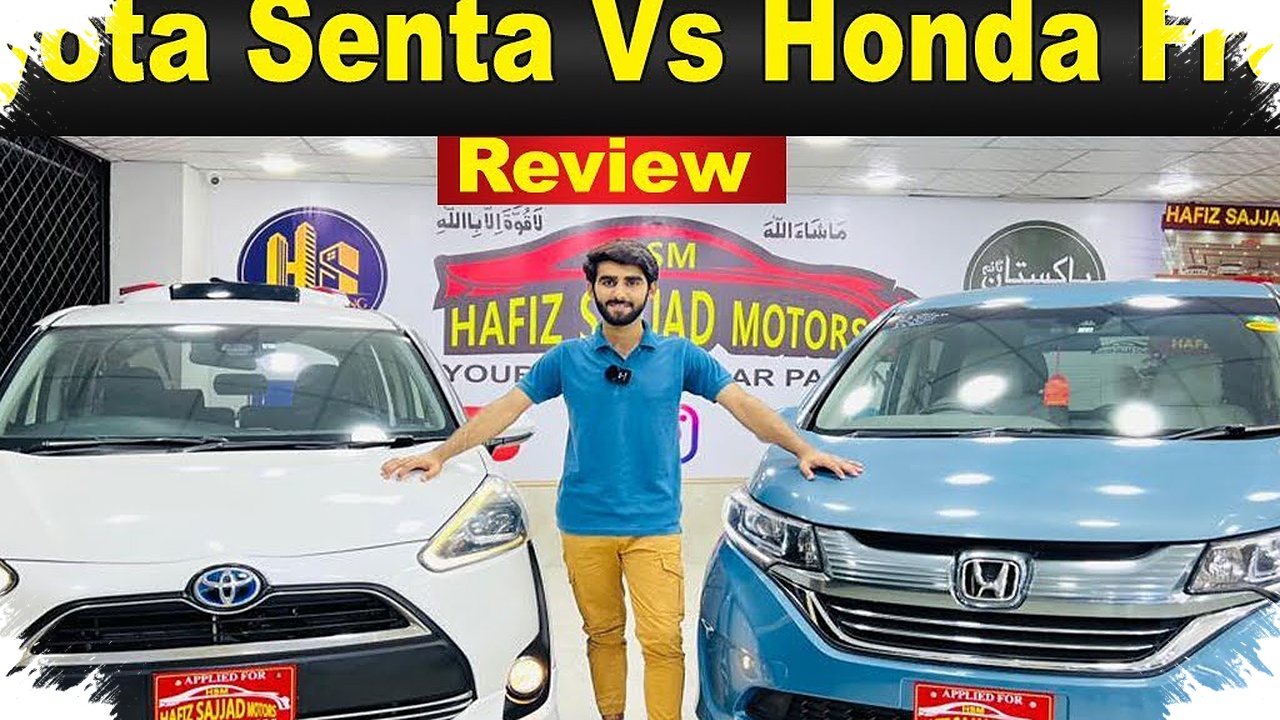
Compared with Honda Freed, Sienta was often seen as the richer package in terms of features. Even so, specification advantage alone did not guarantee long-term success in Indonesia.
Why the market moved on quickly
The key issue is that Sienta did not continue in Indonesia. Freed also did not last long, and both models shared the idea of being practical family MPVs, yet neither could secure a lasting place in the market.
The reference material does not provide official sales figures or a detailed explanation from the manufacturer. Still, it gives an important clue: a vehicle can be strong in design, packaging, and functionality, but still fail to stay if the market does not fully accept its format.
That suggests Indonesian buyers were looking beyond sliding doors and feature lists. Market fit, price positioning, and the broad appeal of the body style likely mattered just as much as practicality.
A model that still matters in discussion
Even though it is no longer sold in Indonesia, Sienta remains relevant when compact MPVs are discussed. It showed that a small family car could still offer seven seats, electric sliding doors, and plenty of storage without growing into a large vehicle.
The model is still sold in Japan, where it now comes in a newer hybrid generation. That continued presence makes Sienta a useful reference point in conversations about why some smart MPVs can be admired on paper but still disappear quickly from the Indonesian market.