Apple is entering another leadership shift, but the company does so from a position of unusual strength. Tim Cook is set to move from CEO to Executive Chairman in September 2026, while operational control will pass to John Ternus.
The transition matters because Cook’s tenure has done far more than preserve Apple after the Steve Jobs era. He helped turn the company into a far larger and more structured business, with market value rising from around US$350 billion to nearly US$4 trillion under his leadership.
A transition built for stability

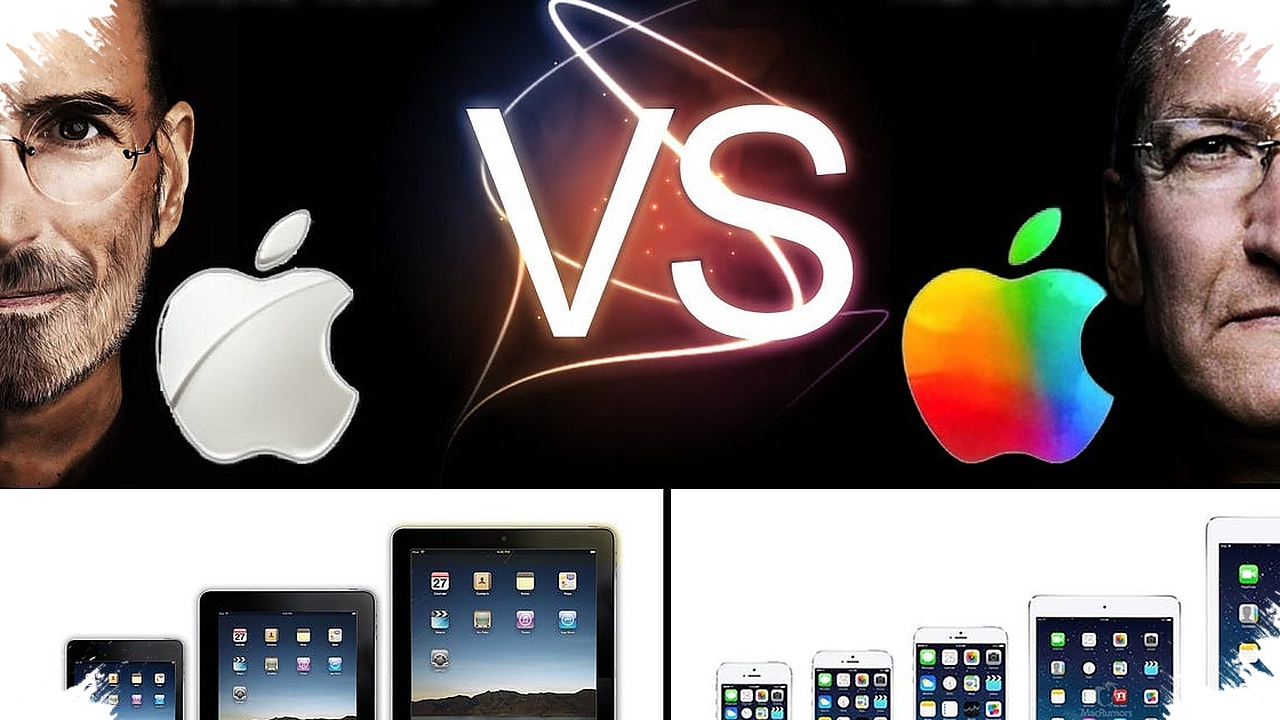
One of Cook’s clearest legacies is the way Apple handles succession. When he took over in 2011, many questioned whether he could follow a figure as dominant as Jobs, yet Apple continued without major disruption.
The same sense of calm is now visible in the handoff to Ternus. No public internal conflict has surfaced, and the market has not shown signs of panic, suggesting Apple has matured into an institution that no longer depends on a single central figure.
Apple’s market value reached historic levels
Cook’s time at the top also coincided with one of the strongest value expansions in corporate history. Apple became the first company to cross the US$1 trillion and US$2 trillion marks, and its valuation later climbed to more than US$3.9 trillion as his tenure neared its end.
That rise was not driven by hardware sales alone. Cook emphasized operational efficiency, stronger profitability, and broader revenue streams, helping Apple build a business model that could scale over the long term.
Keeping the iPhone dominant
Protecting the iPhone’s position was one of Cook’s biggest challenges. In the early 2010s, Android rivals such as Samsung were seen as serious threats to Apple’s premium-phone leadership.
Apple answered that pressure with a tightly connected ecosystem, premium services, and strong customer loyalty. The result was that iPhone remained the company’s core product and even helped Apple return to being the world’s largest smartphone maker for a period.
New products expanded Apple’s reach
Cook was often compared with Jobs on product vision, but his era still produced devices that changed consumer habits. Apple Watch became the most popular wearable and gave Apple a stronger role in digital health.
AirPods reshaped expectations for wireless audio and strengthened the link between Apple devices. The acquisition of Beats Electronics also helped Apple deepen its position in premium music and audio.
Services became a major pillar
Another important shift under Cook was Apple’s move away from relying too heavily on hardware. Digital services grew into a major source of recurring revenue and became central to the company’s structure.
Apple TV+ pushed the company deeper into streaming and into competition with services such as Netflix. Original productions also lifted its cultural profile, including an Oscar win for CODA, while Ted Lasso and Severance expanded Apple’s presence in mainstream entertainment.
At the same time, App Store, iCloud, and Apple Music continued to provide steady income. That mix made Apple less dependent on any single product cycle.
A measured approach to AI
As the technology industry rushed toward artificial intelligence, Apple took a more cautious route. Cook did not chase generative AI with urgency alone, but steered the company toward a gradual integration through Apple Intelligence.
The strategy centers on privacy, on-device processing, and a safer user experience. It may look slower than the moves of some rivals, but it aligns with growing concerns about data security.
Apple also strengthened its technical base through Apple Silicon. The in-house chip line gave the company greater control over performance and improved its competitiveness across high-end devices.
Cook’s legacy now sits in the balance between invention and discipline. Apple remains profitable, stable, and highly influential as it prepares for a new phase of leadership under Ternus.
Source: id.mashable.com