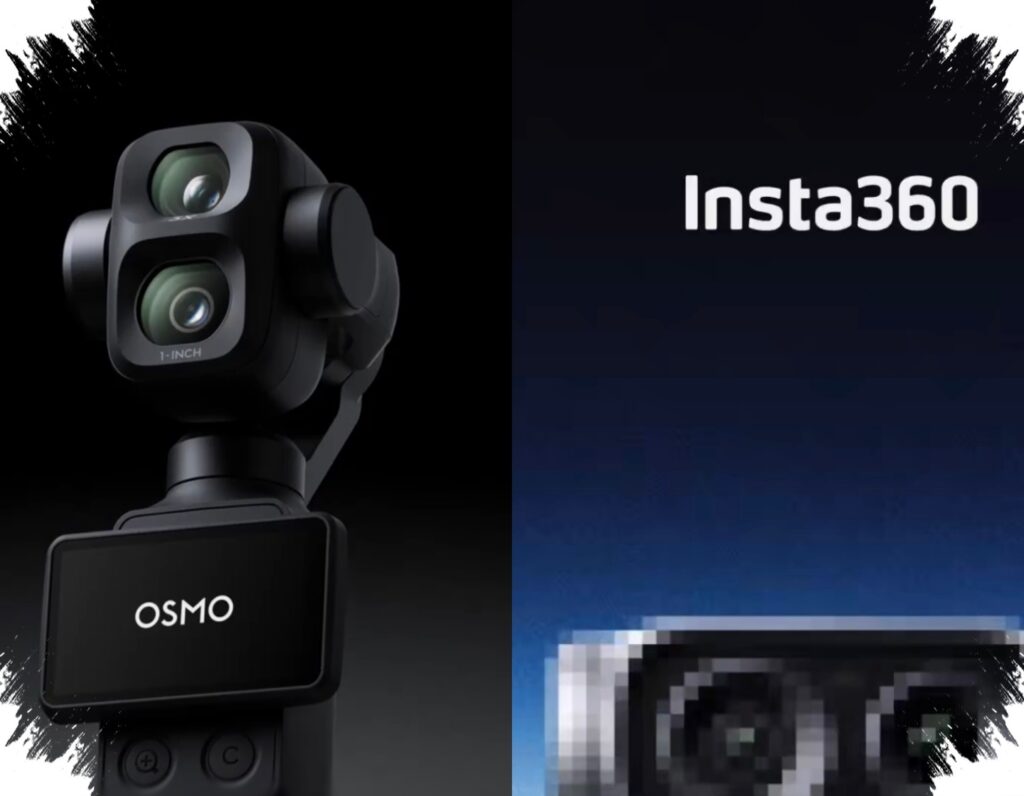
The pocket camera race is being shaped by more than image quality alone. DJI Osmo Pocket 4 still carries a strong technical reputation, but its availability problems are giving Insta360 Luna Ultra a clearer path into the market.
That contrast is becoming one of the most important talking points in the category. For creators weighing compact video gear, the decision is no longer just about sharp footage or a small body, but also about how easily a camera fits into real production workflows.
Why Luna Ultra is drawing early attention
Insta360 Luna Ultra is already being treated as a serious contender because it appears designed around creator convenience. Early beta testing by creators has provided only a limited preview, but the clips circulating so far suggest strong potential in both video and audio.
The full specifications, pricing, and release schedule have not been announced yet. Even so, the early response has centered on practical features that tend to matter most for short-form video makers and vloggers.
Three features that stand out
According to the summary cited from Tech Court, Luna Ultra is attracting attention for three main reasons.
- Wireless microphone support
- Leica collaboration for color science
- Accessory compatibility aimed at smoother workflows
The wireless microphone support could be especially important for creators who want cleaner audio without building a more complicated rig. That kind of setup can shorten production time and reduce friction when recording on the move.
The Leica-backed color science adds another layer of appeal. The focus appears to be on more vivid and accurate tones, which can matter for users who want footage that looks more polished straight out of the camera.
DJI still has the brand advantage, but not the access advantage
DJI Osmo Pocket 4 remains a strong name in compact cameras, and its technical appeal is not in question. The problem lies elsewhere, with official market access becoming the main obstacle rather than performance.
Tech Court notes that the suspension of FCC approval has effectively left the device unavailable through official channels in the US. As a result, anyone in that market who still wants the camera would need to rely on third-party routes, which may not provide the same ecosystem support.
That limitation matters because compact cameras are often judged by how straightforward they are to buy, use, and integrate into an existing setup. A capable device can still lose ground if it is difficult to obtain through normal retail channels.
Workflow is becoming a buying factor
The competition here is showing that buyers are thinking beyond the camera itself. Accessories, device integration, and workflow efficiency are becoming part of the decision, especially for creators who move quickly between shoots.
Insta360 appears to be leaning into that reality. Luna Ultra is being positioned as a camera that reduces friction for users switching from other systems, particularly those who do not want to rebuild their setup from scratch.
That transition is not cost-free, of course. Users still have to deal with old accessories, habits, and supporting gear, which can mean extra time and expense. Even so, Luna Ultra’s appeal is tied to the idea of making that shift easier.
Regulatory conditions are reshaping the competition
The gap between the two cameras is not only about product design. Regulatory conditions, especially in the US, are playing a major role in determining which device reaches consumers more easily.
DJI is dealing with a distribution problem caused by regulatory barriers, while Insta360 is said to have a cleaner regulatory path in the US market. That gives Luna Ultra a strategic edge that goes beyond feature lists and specifications.
At the same time, that advantage still needs to be proven in practice. Luna Ultra will need competitive pricing, consistent availability, and reliable real-world performance before it can fully convert interest into demand.
A crowded field could raise the pressure further
The market may also become more crowded soon. Tech Court mentions that GoPro is preparing to enter with Mission 1 Pro, which suggests the pocket camera space could tighten even more.
For buyers, that is likely to mean more choice and more comparison shopping. The trade-off is that the decision will become more nuanced, with some users prioritizing DJI’s technical pedigree and others favoring Luna Ultra’s more practical approach to audio, color, and accessory integration.
For now, Luna Ultra looks like the model with the smoother route forward, while DJI Osmo Pocket 4 remains the more complicated option despite its strong hardware reputation. In a category where convenience and access now matter as much as imaging capability, that difference could shape how the next wave of buyers chooses its pocket camera.