


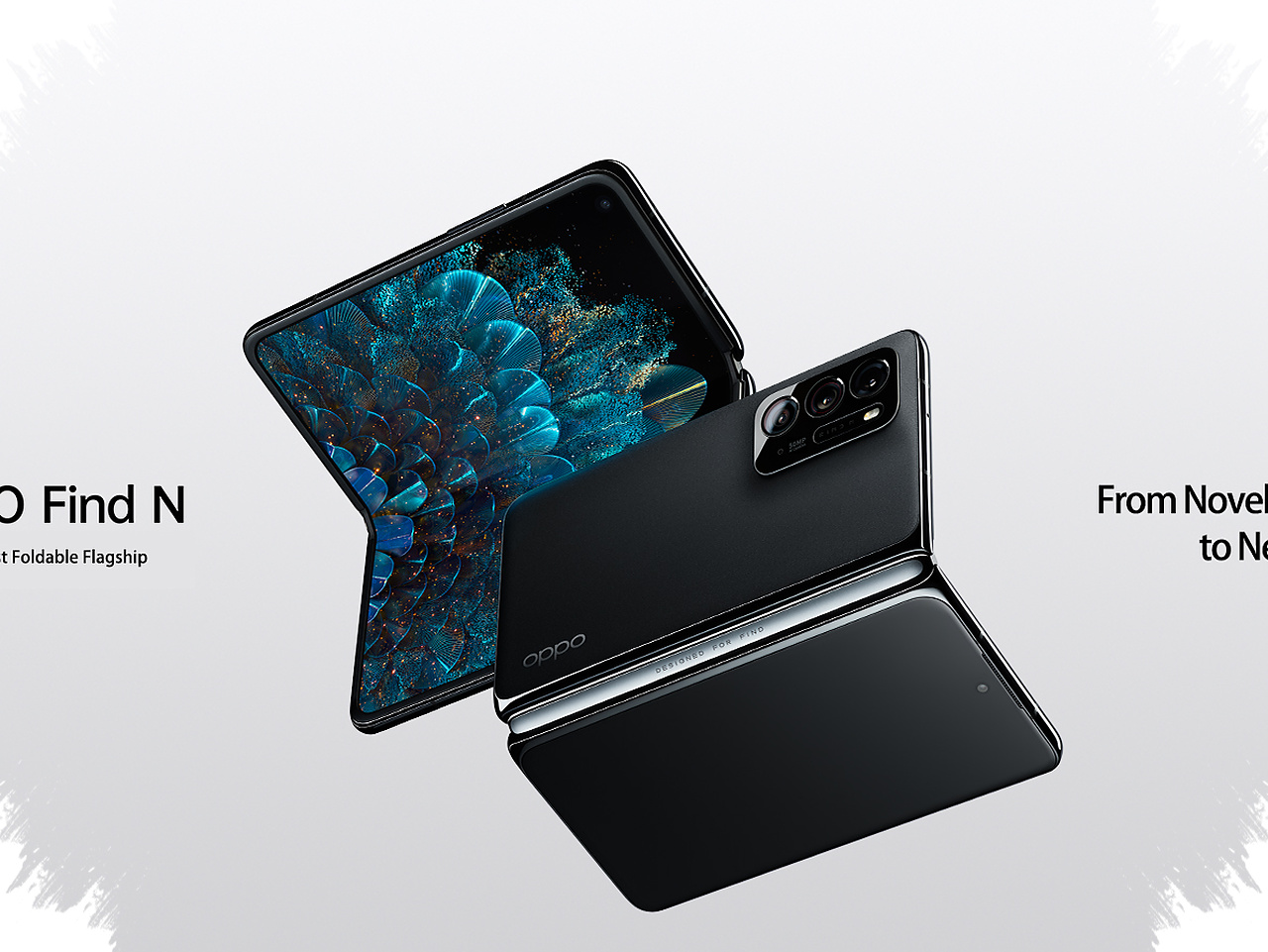
Durability has become one of the strongest selling points of the Oppo Find N6, and that focus is not limited to its folding mechanism. The device combines a nearly invisible crease, a titanium hinge, and a frame built to withstand repeated opening and closing without giving up easily.
That durability claim was pushed into the spotlight after a JerryRigEverything stress test showed the foldable could be bent heavily and still refuse to fail in a dramatic way. The result reinforced the impression that Oppo is positioning the Find N6 as a foldable designed for long-term use rather than a device built only to look slim and premium.
A hinge designed to carry the load
On a foldable phone, the hinge is usually the most vulnerable part, and Oppo appears to have treated that component as the centerpiece of the Find N6. The hinge combines titanium with 3D-printed photopolymer material, while the device’s backbone uses Grade 5 titanium.
That choice matters because Grade 5 titanium is known for its strong balance between strength and weight. For a foldable, that balance is important, since the device still needs to feel manageable in the hand even while housing complex moving parts.
Oppo also pairs the titanium structure with aluminum sides and a plastic rear panel. This mix helps keep weight under control while preserving wireless charging support, which remains an important feature in the premium segment.
The folding mechanism itself is not presented as merely sturdy in appearance. According to the referenced durability claims, it is engineered to survive up to one million folds, which directly addresses one of the biggest concerns around foldable phones: whether they can stay reliable through everyday use over a long period.
Large displays with a subdued crease
The Find N6 does not rely on toughness alone. When unfolded, it offers an 8.1-inch inner screen that pushes the device closer to the experience of a compact tablet.
When closed, the 6.6-inch cover display keeps the phone practical for one-handed use. Oppo uses auto-smoothing flex glass on the inner display to reduce the visibility of the crease, and the referenced material says this glass is 50% thicker than the glass used on competing foldables.
The outer screen receives its own layered protection. A removable plastic layer sits on top, with real glass underneath to improve surface durability. That approach suggests the company is trying to balance premium feel, protection, and everyday usability rather than focusing only on appearance.
Camera hardware remains a major part of the package
Although durability is the main story, Oppo did not leave the imaging system behind. The Find N6 carries a triple rear camera setup made up of a 200 MP main sensor with OIS, a 50 MP ultrawide camera, and a 50 MP periscope telephoto camera with OIS.
This combination gives the device a broad shooting range. The main camera is aimed at detailed shots, the ultrawide lens is suited for landscapes or group photos, and the periscope lens adds reach for subjects at a distance.
There are also two 20 MP front cameras, placed on both the inner and outer displays. That setup keeps selfies and video calls available whether the phone is open or folded shut.
Battery and protection support daily use
Power management also looks substantial for a foldable. The Find N6 uses a dual silicon-carbon battery with a combined capacity of 6,000 mAh, which is a large figure for this category.
Charging support is equally aggressive, with 80W wired charging and 50W wireless charging. That combination reduces the time needed before the phone can return to active use, which is especially relevant for users who depend on the device throughout the day.
Oppo also gives the phone IP56, IP58, and IP59 ratings for resistance to water and dust. Those certifications point to a device prepared for less-than-ideal conditions, including sudden rain, dust exposure, and regular outdoor use.
Strong on paper, but not simple inside
The Find N6’s durability story does come with one important tradeoff. The internal structure reportedly relies heavily on adhesive, which can make disassembly and repair more complicated.
That could affect service time and repair cost if the device ever needs maintenance. Even so, the overall hardware package suggests Oppo is trying to move foldables closer to mainstream confidence by reducing the fear that hinges, creases, and moving parts will fail too early.
The Find N6 also remains limited in availability, as it is not sold in major markets such as the US and Europe. Even with that restriction, the engineering choices behind the device show how far foldables have progressed from experimental hardware into products built with long-term durability in mind.