
Anthropic is pushing Claude closer to the tools that creative professionals actually use, and that shift could matter more than another chatbot update. With new connectors, Claude can now link to Adobe Creative Cloud, Affinity, Blender, Ableton, and Autodesk to pull information and perform actions inside those apps.
The change positions Claude inside production workflows rather than beside them. For creators, that means less time spent on repetitive manual work and more time focused on the parts of the process that still require human judgment.
A bigger role inside creative software
The new connectors are designed to support specific parts of the creative process, especially technical and repetitive tasks. Anthropic says the goal is not to replace human creativity, but to speed up the supporting work that often slows production down.
Adobe is one of the clearest examples of that approach. Claude can pull information from Adobe Photoshop, Adobe Premiere Pro, and Adobe Express to help with image, video, and design work directly from Claude’s environment.
That setup makes Claude act as a bridge to software that many creators already know well. It also reduces the need to switch contexts repeatedly when looking for help, references, or a specific action inside a workflow.
What changes in Blender and Ableton
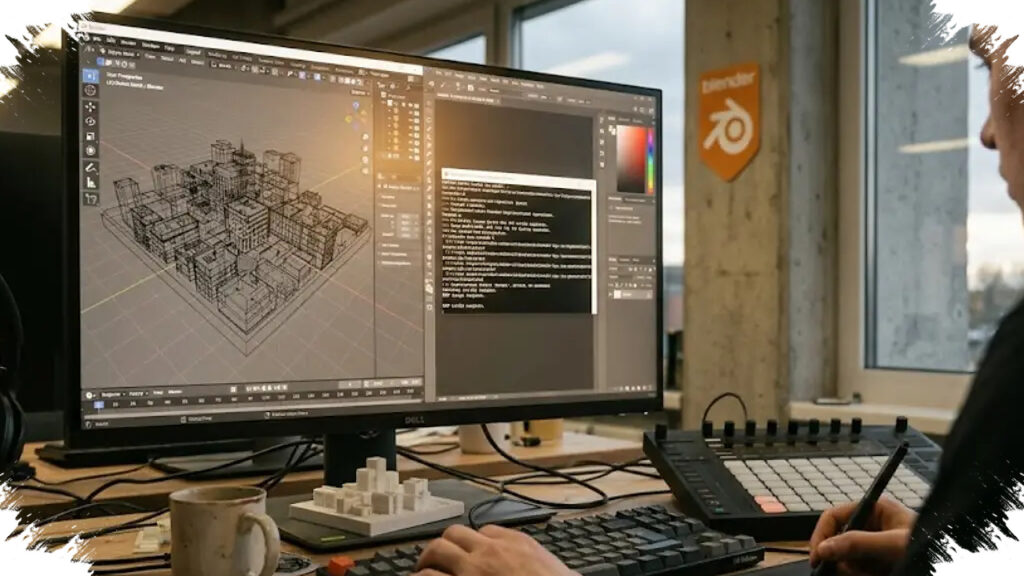
The integration goes further in Blender, where Claude takes on a more technical role. Users can interact with the 3D app’s Python API using natural language, which makes tasks that usually require scripting more accessible.
Ableton is handled differently. Claude can answer questions using information from the software’s official documentation, which is useful for users who need quick help learning features, workflows, or tools inside the audio application.
Together, these additions show the direction Anthropic is taking. Claude is being positioned not only as a source of answers, but also as a tool that can help users understand software, write code, and connect different apps into one workflow.
How this differs from Claude Design
The new connector push arrives a few weeks after Anthropic introduced Claude Design. That product lets users create visual content by describing what they need in everyday language.
Claude Design is aimed at fast concept creation, including prototypes, presentations, and marketing visuals from simple text prompts. It allows users to draft ideas without opening a design app and arranging each element one by one.
The difference lies in scope. Claude Design is a dedicated environment for building and refining visual concepts quickly, then exporting them to tools such as Canva. The new creative connectors make Claude broader and more flexible as a general assistant across different creative tasks.
Why the workflow impact matters
This direction suggests Anthropic wants Claude to sit closer to the real tools creative teams rely on every day. Its value is not limited to text generation or idea support, but to direct connections with the software that sits at the center of content production.
If repetitive tasks are reduced, users can shift more attention toward higher-value creative decisions. The model could also help creators take on larger projects without having to manage every technical step manually from the start.
Anthropic is also drawing a clear boundary around the role of AI in that process. The company says Claude cannot replace taste or imagination, but it can open faster and more ambitious ways of working during ideation.
Claude Design is currently available in research preview. Access is included for Claude Pro, Max, Team, and Enterprise customers at no additional cost.
With support now extending to major creative software such as Adobe, Blender, and Ableton, Claude is moving closer to the center of digital creative workflows rather than staying at the edges of them.