Samsung is warning that the memory market is far from normal, and the pressure may become even worse by 2027. That outlook matters far beyond chipmakers, because laptop buyers, PC gamers, smartphone users, and SSD shoppers could all remain stuck with elevated prices.
The company’s view reflects a market that has already been strained since the fall of 2025. Demand for RAM and flash memory has surged on the back of the AI boom, while manufacturing capacity has not expanded quickly enough to keep up.
Demand is outrunning supply
Reuters reported that Kim Jaejune, a senior manager in Samsung’s memory division, pointed to the same imbalance now weighing on the industry. Samsung says its own output is lagging behind market demand, and it expects that gap to widen for DRAM and NAND produced in 2027.
That is the key reason the company sees limited room for relief. If supply remains below demand while AI-related consumption keeps rising, prices can stay high for longer than consumers would like.
The pressure is also not limited to one product category. DRAM is central to systems such as laptops and gaming PCs, while NAND affects storage products including SSDs and smartphones, so shortages ripple across multiple devices at once.
AI buyers are pulling hard on capacity
One of the biggest forces behind the imbalance is the AI buildout. Large technology companies, including OpenAI, are said to be taking up a significant share of production capacity, leaving less available for other customers.
That creates a familiar pattern in memory markets. When major buyers absorb much of the output and factories cannot ramp up fast enough, consumer products are often left with tighter supply and higher prices.
The result is already visible in retail pricing. A 32 GB DDR5 RAM kit is now said to cost $394, after being priced at $91 in August.
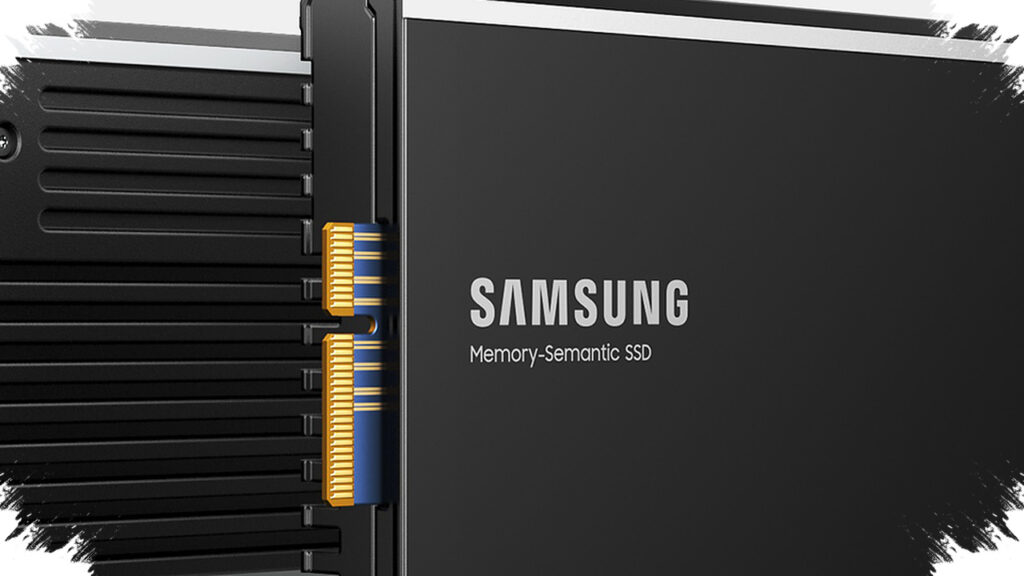
SSD pricing has moved sharply as well. The Samsung 990 Pro M.2 SSD with 2 TB of capacity is now unavailable at $572, compared with about $119 last year.
The market is already feeling the strain
Those numbers show that the memory crunch is no longer a distant concern. The pressure has moved from factory planning into finished products that buyers can see on shelves and in online listings.
For anyone planning to buy a new laptop, gaming PC, smartphone, or SSD, that means the higher component cost may continue to filter through to final prices. Until DRAM and NAND supply catches up, the market is likely to stay tight.
Samsung’s own business results underline how severe the imbalance has become. Its chip division recorded a 4,800% jump in profit in the first quarter of 2026 compared with the first quarter of 2025.
That kind of margin expansion shows how much leverage memory makers have when demand far exceeds supply. In this environment, producers can benefit even as buyers face a much more expensive market.
When relief may arrive
Capacity for 2027 has already been sold out, which makes a quick recovery even less likely. If future production is committed before it is even made, there is little room for the market to loosen in the near term.
Samsung sees the earliest meaningful improvement only in 2028. Even then, the pace of recovery will depend on two variables: whether demand keeps growing aggressively and how quickly factories can expand output.
If AI-related demand remains strong, any new capacity could be absorbed quickly. If expansion outpaces demand growth, pricing pressure could begin to ease, but that is not the scenario Samsung is describing right now.
For the moment, the message is clear. Samsung expects 2027 to bring a deeper DRAM crisis, not a rebound, and that leaves consumers waiting longer for cheaper memory-based devices and storage.