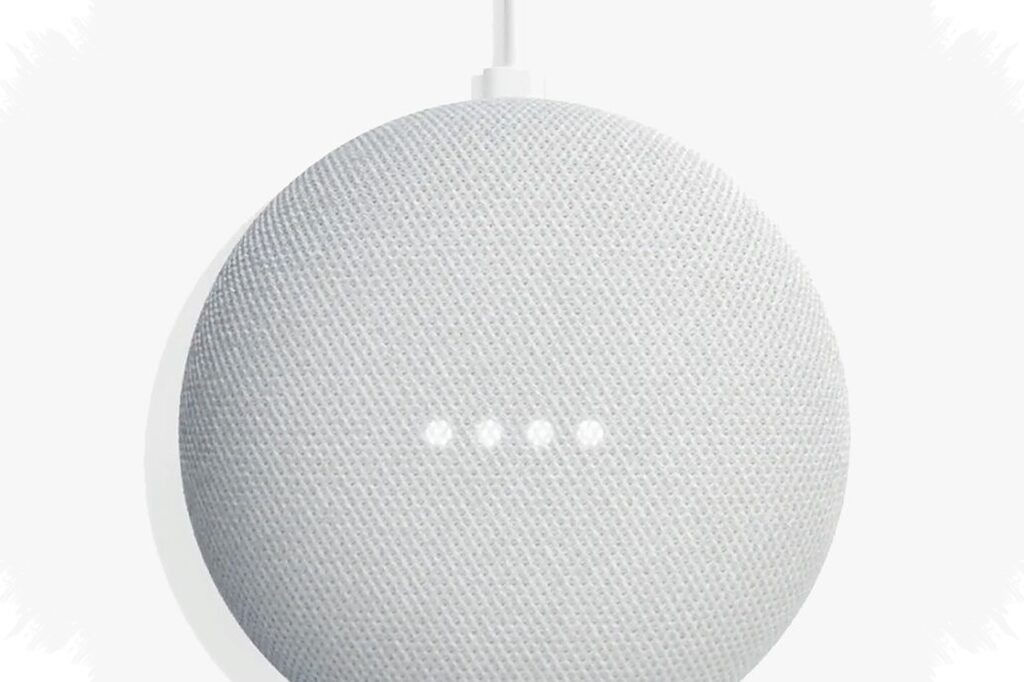
Google Home is getting faster in the places people notice most: everyday commands. Google says many users can now expect smart home actions such as turning on lights or controlling smart plugs to respond up to 1.5 seconds faster.
That may sound small, but in a home setup, even a short delay can make a system feel sluggish. The latest changes are aimed at reducing that gap between a command and the action that follows.
Faster responses for the most common tasks
The speed improvement comes from optimizations in how Google Home processes device commands and home layouts. Along with lights and smart plugs, basic actions such as alarms, timers, and reminders are also expected to respond more quickly.
Google is not focusing only on speed, though. The company is also working to reduce errors and interruptions during interactions with Home, which should make the overall experience feel more stable.
Gemini gets more precise in Home
Google has also continued refining Gemini in Google Home. The system is now said to be better at telling whether a request is a standalone command or a follow-up to an earlier conversation.
It is also designed to ignore irrelevant parts of a conversation more effectively. That should help responses stay closer to what the user actually meant, instead of drifting off course.
Routines and automations receive attention too
Routines are part of the update as well. Google says they now run more smoothly thanks to additional optimizations.
For users who rely heavily on home automations, that kind of improvement can matter just as much as faster device control. A routine that triggers reliably is often more important than one that only looks fast on paper.
Google Home app gets broader updates
The app experience is changing beyond core device control. Camera views in the Google Home app now use dynamic theming and surface important features more clearly.
For subscribers to the Advanced plan in Google Home Premium, camera timelines now include AI descriptions. Google says these are meant to make it easier to scan through history and spot important moments quickly.
AI-generated event descriptions for cameras are also being improved. The company says the new descriptions are shorter, more accurate, and easier to read at a glance.
Search within Ask Home for camera content is also faster now. Google says results load more quickly than before, which should make it easier to find specific events without waiting as long.
Camera controls and media handling are also being simplified
Google has also made camera settings easier to navigate. Gemini for Home, familiar face detection, and Activity Zones are now easier to access from the camera settings menu.
Activity Zones are reportedly faster to set up and update as well. Visible and audible events have also been combined into one page, which should make recording and notification settings less fragmented.
A separate improvement adds instant account relink prompts on device control pages. Google designed this to help users understand why a device appears offline, especially when the issue is caused by an expired partner link.
Media controls are also expanding for more users. When casting music and video to Google smart speakers, smart displays, Google TV Streamer, and other Cast devices, the control view now shows album artwork more prominently and gives better access to playback and device management.
Tools for diagnostics and paid plans
Google is also preparing Enhanced Diagnostics to help identify problems more clearly. For developers, Google Home Vitals is set to provide insight into how tools are performing and to help spot issues that may affect users.
On the subscription side, Google is introducing Account Hold when Home Premium payments fail. During that period, important data such as video history, familiar faces, and AI event descriptions are retained while payment issues are being resolved.
The rollout is underway in supported countries, with language support currently including English, French, and Spanish. Other languages are expected to follow, but the new features are still in early access and are not yet available to everyone.