PCI-SIG is pushing PCIe 8.0 into a more concrete stage, and the biggest signal is not just faster speeds but the physical strain that comes with them. At 256 GT/s, the standard is now approaching a point where the copper paths used today are starting to look like a limiting factor.
The move to draft specification 0.5 shows that the core direction of PCIe 8.0 is no longer only theoretical. Electrical behavior, logic, compliance, and software are already included, which gives PCI-SIG members room to begin prototyping and prepare final proposals.
A new bandwidth target, built for the next jump
PCI-SIG is keeping 256 GT/s as the defining speed target for this generation. At that rate, PCIe 8.0 is projected to deliver up to 1 TB/s of bidirectional bandwidth in an x16 configuration.
That level of throughput remains tied to PAM4 signaling, forward error correction, or FEC, and Flit Mode encoding. The combination is meant to preserve efficiency while making the bandwidth increase manageable.
The draft still preserves backward compatibility. Even so, it is not final yet, and several electrical parameters and protocol optimizations may still change before the specification is locked.
Why the physical layer is getting more attention
The more striking part of the update is the growing attention on connectors and the physical link itself. PCI-SIG has started evaluating new connector technology, which signals that current copper-based paths are moving closer to their practical limit.
This is not a new pressure point in PCIe development. PCIe 5.0 and 6.0 already faced serious challenges from loss budget, crosstalk, and reflections, and those issues are expected to become even harder to manage as speeds rise to 256 GT/s.
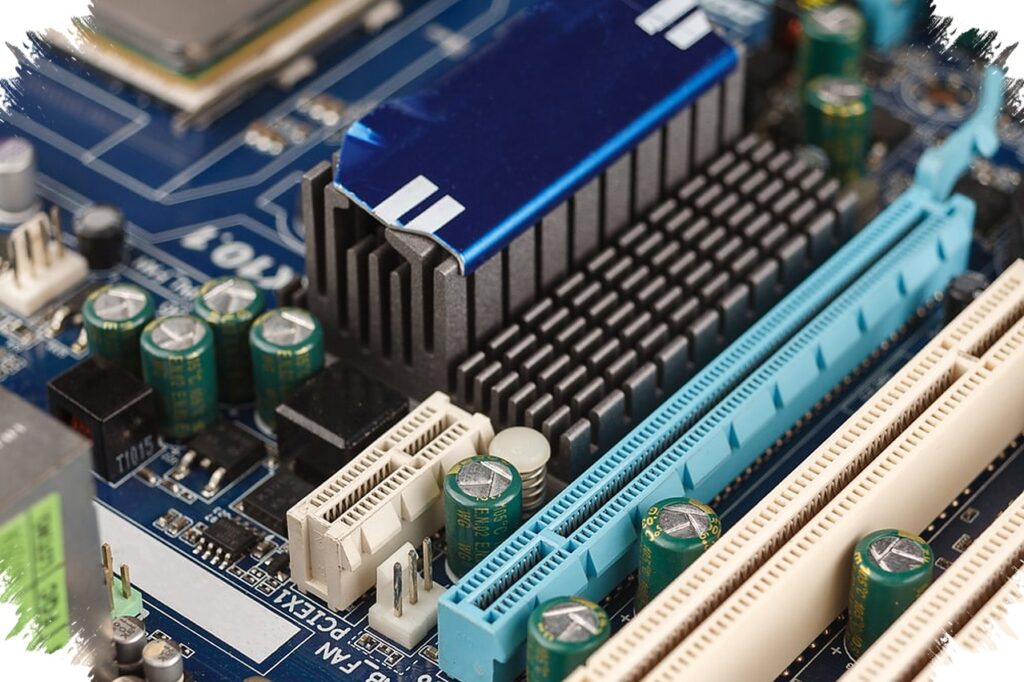
At that level, traditional PCIe edge connectors and motherboard routing may struggle to preserve signal integrity. For that reason, one direction being discussed is a redesigned PCIe slot with better materials and tighter tolerances.
Another option is to shorten electrical paths while increasing the number of redrivers per link. PCI-SIG still wants backward compatibility, so any connector update is not expected to be extreme, but the direction is clearly toward a more advanced physical solution.
Prototype work is now on the table
For hardware vendors, draft 0.5 makes PCIe 8.0 much more actionable. AMD, Intel, and Nvidia are said to be able to begin early prototyping with IP or PHY vendors, even though changes may still come later.
That matters because early design choices often shape how ready the final products will be. The sooner the architecture is defined, the easier it becomes for the industry to align hardware plans with the demands of the next bandwidth jump.
The draft also reinforces a 0.5V target. That detail shows that power efficiency and signal integrity are central concerns in PCIe 8.0, not secondary additions to a higher-speed interface.
With draft 0.5 now available, PCIe 8.0 continues toward final ratification, which is targeted for 2028. The remaining time gives the industry room to test early designs, evaluate new connectors, and adjust hardware for the next major leap in bandwidth.