Nissan is preparing a new-generation e-POWER system for 2026, and its main appeal is simple: it aims to deliver the feel of an electric car without requiring drivers to plug in. That approach is designed to answer two of the biggest concerns around electric mobility, namely the hassle of charging and the anxiety of running low on power during a trip.
The timing also makes the technology relevant for markets such as Indonesia. Charging infrastructure is still uneven across regions, while daily mobility and intercity travel remain important for many drivers who do not always fit the usage pattern of a pure EV.
Electric drive without a charging cable
At the core of Nissan’s e-POWER system is a series-hybrid layout. The wheels are driven entirely by an electric motor, while the gasoline engine works only as a generator to charge the battery.
That setup keeps the driving character close to an EV. Acceleration remains instant and smooth, which is especially noticeable in stop-and-go urban traffic. For everyday use, the system also removes the need to search for a charging station, because energy is replenished automatically while the vehicle is running.
Regenerative braking adds another layer of efficiency. It helps recharge the battery during braking and deceleration, making the driving experience feel familiar to gasoline-car users while still delivering an electric-style response.
Designed to fit existing habits
Nissan positions this technology as a bridge for drivers who want a cleaner vehicle without changing their routine too much. Refueling still happens at a gas station as usual, which makes the transition easier for many users.
The company also claims that the latest e-POWER generation can travel more than 1,000 kilometers on a full tank of gasoline. That range matters for long-distance trips, including family travel and holiday journeys, where drivers often need to cover large distances without adjusting the route around charging availability.
In that sense, e-POWER sits between a pure EV and a conventional hybrid. Unlike a standard hybrid, the gasoline engine does not directly drive the wheels, while the wheels are still moved 100 percent by electric motor like an EV.
New hardware for the 2026 generation
For 2026, Nissan pairs the system with a new 1.5-liter turbocharged three-cylinder engine. It uses the STARC combustion cycle, which is said to reach thermal efficiency of up to 42 percent.
The update also includes a new 5-in-1 modular powertrain system. Nissan says this helps reduce noise and lower system weight, with the overall result aimed at better performance and efficiency.
The third-generation e-POWER is described as quieter, more powerful, and more efficient than the previous version. Nissan also extends the regular service interval to around 20,000 kilometers, a move that may help reduce long-term ownership costs.
Moving into Nissan’s newer models
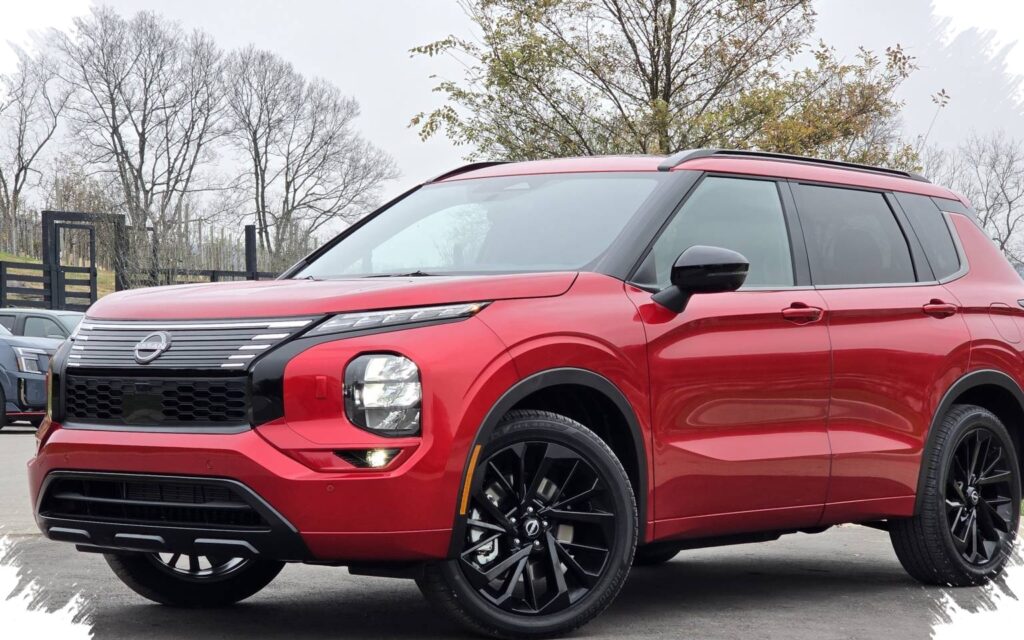
The latest e-POWER technology is already being applied to several new models, including the newest Nissan Qashqai and Nissan Kicks. That rollout shows the system is being treated as a real product strategy rather than a limited experiment.
The updated Nissan Kicks also receives design and cabin improvements. It adopts a more modern V Motion design, while the interior now includes a 12.3-inch infotainment screen.
Nissan also keeps the Zero Gravity Seat, a feature known for supporting comfort on long trips. Together, these updates reinforce the direction of the 2026 e-POWER program: delivering an electric-feeling drive with the everyday convenience of gasoline refueling.