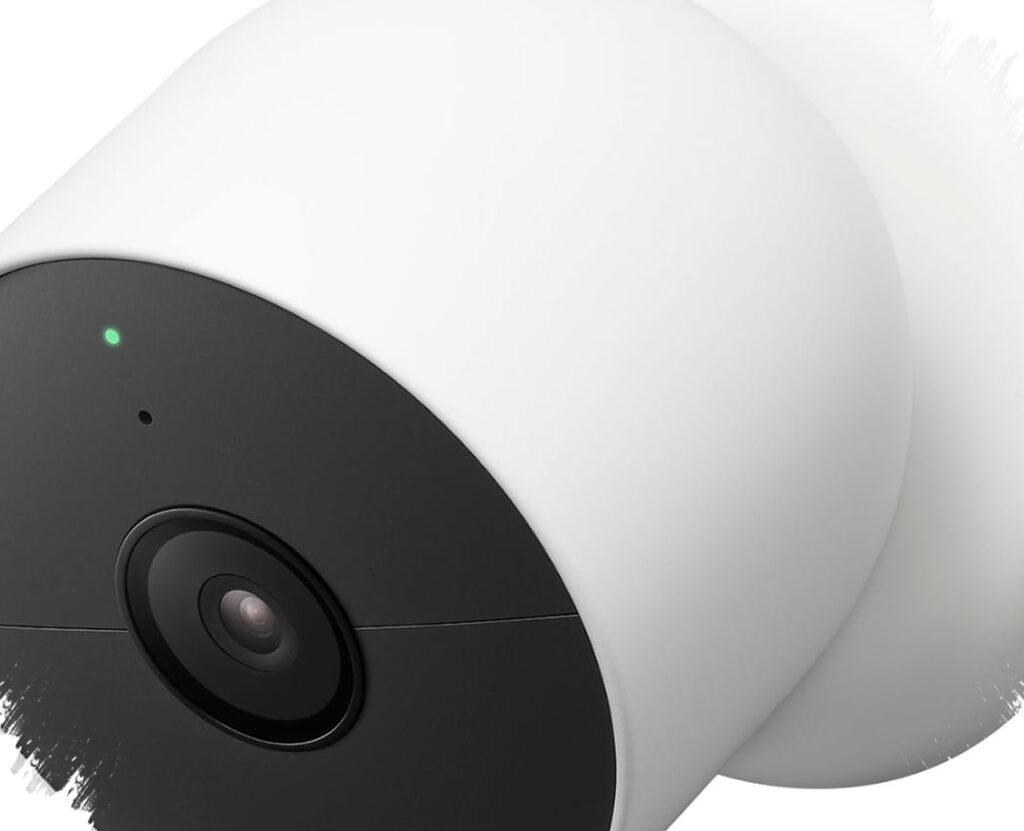
Google Home’s spring update is pushing the platform beyond simple smart home control, with a noticeable focus on making camera alerts and automation more useful. The biggest gains land on Nest Camera, where AI-powered features are reaching more users and several tools that were once limited to Early Access are now moving wider.
For Nest Camera owners, the change is less about appearance and more about how quickly the system can surface what matters. Google has redesigned the camera experience with a more modern, responsive interface, while also improving video scrubbing so reviewing clips feels smoother and more detailed.
Smarter alerts and faster review
One of the most practical additions is automatic zooming in notifications. When the camera detects a subject, the alert now zooms in on the person or object that triggered it, reducing the need to manually enlarge the image.
Google Home Premium Advanced subscribers also get a more informative timeline. Event descriptions now appear directly in the camera timeline, which should make it easier to jump to important moments without checking each clip one by one.
The company is also adding more specific event filters. Users can sort activity by categories such as Person seen, Package seen, and Activity Zone, making it simpler to track the kind of motion or incident they care about most.
AI improvements reach older Nest cameras
The AI changes are not limited to the newest hardware. Owners of older Nest cameras who subscribe to Google Home Premium Advanced are also getting Gemini-powered event descriptions, giving activity summaries a clearer and smarter format.
Face detection is part of the upgrade as well. Google says recognized faces should now be identified more accurately, and users can give direct feedback with thumbs up or thumbs down when the system gets it wrong.
That feedback loop is paired with a cleaner face library. Blurry or low-quality face entries will no longer appear in face library management, which should make stored profiles easier to maintain.
Automation gets much broader
Beyond camera features, Google Home is expanding automation in a major way. Users can now build more advanced routines with new starters, conditions, and actions that cover a wider set of devices and states.
Security controls are among the additions. Google has introduced options to turn a home security system on or off and to check whether it is currently armed.
Door lock monitoring is also more detailed. Google Home can now check whether a lock is locked, unlocked, jammed, forced open, or ajar, giving automations more precise inputs to work with.
The platform is extending binary sensor support too. It now recognizes simple true and false states for contact, leak, and freeze sensors, which helps routines react more accurately to home conditions.
More device types can now participate
Google is also broadening automation support across household appliances and connected devices. Washing machines, dryers, and coffee machines can now be handled with Start, Stop, Pause, and Resume actions.
Robot vacuums are gaining finer control as well. Google Home now supports dock, pause, and resume commands for cleaning sessions.
Lighting and environmental devices are included in the update too. Users can adjust brightness, turn lights on or off, and manage light effects, while color bulbs also gain support for color and color temperature changes.
Blinds are now part of the automation system, with the ability to open or close them and check their position as a percentage. Thermostats are getting a humidity monitoring option, helping users track relative humidity as part of home climate control.
Media devices are also receiving more automation coverage. Google Home can now monitor playback states such as playing, paused, and buffering, along with volume levels.
Power-related features round out the update. The platform can now monitor battery level and charging status, while smart switch events such as initial press, long press, and release can also be used in automations.
Some of these automation capabilities were already available through Google Home Early Access. With the spring update, Google is now bringing them to all users, while Early Access participants are getting additional AI access through Gemini 3.1 for stronger performance and more advanced reasoning.
Source: www.androidpolice.com