A karaoke setting gives Gemini AI a strong visual canvas, and that is exactly why the theme has become appealing for photo edits. Neon tones, cinematic lighting, and expressive faces can all be blended into a result that feels dramatic without looking artificial.
The appeal is not only in the brightness or the energy of the scene. With the right prompt, the final image can still keep the subject’s face as the main focus while the karaoke atmosphere works as a supporting element.
Why karaoke works so well for AI edits
Karaoke spaces already carry bold visual cues that are easy for AI to transform. Purple, blue, red, gold, and pink tones can each create a different mood, from warm and intimate to energetic and lively.
Gemini AI helps balance those colors with light and pose so the subject remains recognizable. Neon details and dramatic illumination then reinforce the mood instead of covering the person in the frame.
That balance is one reason the result can feel more authentic. The image does not need to look crowded or overly edited to feel convincing.
The role of detail in making the image feel real
The strongest results usually depend on small elements that are handled carefully. Shadows, reflected light, eye direction, and skin texture all influence whether the photo feels alive or looks too artificial.
Gemini AI can read facial structure and adapt it to a new environment in a way that keeps the output more natural. That is why precision in the prompt matters so much in this style of edit.
The approach also makes the image more personal. Pose and visual character can be adjusted to fit the subject’s identity, so the final picture becomes more than a generic karaoke scene.
Five prompt directions that are often used
One common direction places the subject in a modern karaoke room with soft neon lighting. A relaxed pose while holding a microphone, paired with a lively gaze, can create a confident impression.
Another direction leans into emotion. The subject may appear seated on a luxury karaoke sofa, with lyric screens behind, while red and gold lighting adds warmth and drama.
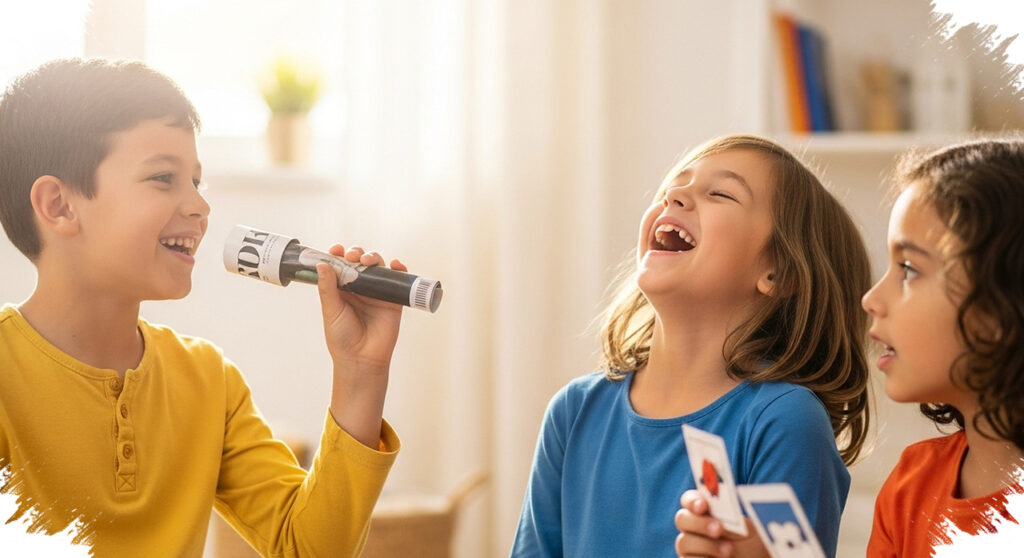
A brighter and more playful version focuses on joy. In that setup, the subject is laughing in a busy karaoke room rendered softly in the background, while colorful neon and light drinks give the scene a party feel without taking attention away from the face.
A fourth direction uses a small stage inside the karaoke space. The subject can stand under a spotlight, close the eyes as if absorbed in the song, or lean casually against the wall with a focused expression.
The fifth direction puts more weight on expression and body angle. Microphone placement, hand position, gaze direction, and a less generic pose help build a stronger visual character and reduce repetition.
Why the results tend to feel more convincing
Clear prompts guide the AI to combine cinematic lighting, natural expression, and sharp facial texture in one frame. That combination makes the edit feel closer to a real photo while still keeping an artistic edge.
The karaoke setting gives wide room for visual variation. From neon walls to a small stage, each element can shape a mood that feels modern, warm, or full of energy.
That is what makes this style stand out: it uses light, color, and realistic detail to turn a simple karaoke photo into something more dramatic, while still keeping the result natural to the eye.
Source: radartasik.id