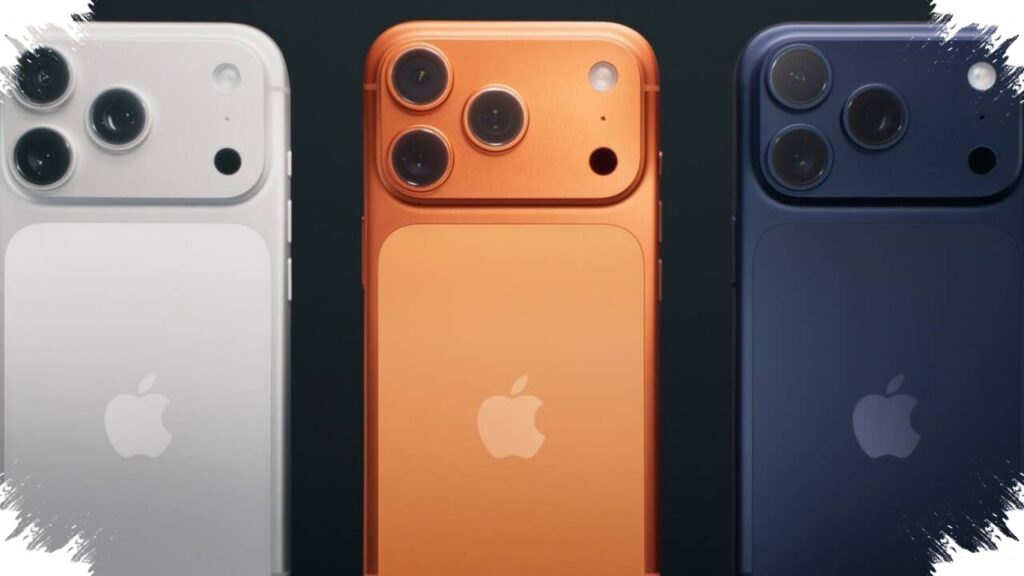
Apple’s next Pro iPhones are shaping up to be less dramatic than many users may hope. Early chatter suggests the iPhone 18 Pro and iPhone 18 Pro Max will still use an aluminum body, even though that material drew criticism on the iPhone 17 Pro lineup.
That detail matters because it points to a broader pattern in Apple’s Pro strategy. While the company has been linked to a major redesign for the 20th-anniversary iPhone, the iPhone 18 series appears to be headed for more modest changes, with the main focus on the display and a few external refinements.
Aluminum may stay in place
The material rumor comes from Fixed Focus Digital on Weibo, who says the iPhone 18 Pro line is likely to remain aluminum rather than return to titanium. That would keep Apple on a different path from the one it took with the iPhone 15 Pro and iPhone 15 Pro Max, as well as the iPhone 16 Pro and iPhone 16 Pro Max, which both used titanium.
Apple shifted back to aluminum for the iPhone 17 Pro and iPhone 17 Pro Max, and that move quickly became controversial. Users complained about dents and discoloration, which raised questions about whether the company had given up some of the durability and premium feel associated with titanium.
Complaints from the iPhone 17 Pro era have not faded
The criticism was not limited to appearance alone. There were also reports that the frames on the iPhone 17 Pro and iPhone 17 Pro Max could scratch or peel more easily on certain surfaces.
Fixed Focus Digital added that when users contacted Apple about chips on the device surface, the company reportedly described the condition as part of the material’s natural characteristics. In that framing, the marks were treated as normal wear rather than a manufacturing flaw.
That explanation suggests Apple is aware of the tradeoffs involved. Even so, the latest information does not point to a return to titanium for the iPhone 18 Pro models.
Cost appears to be a major factor
From a production standpoint, aluminum is easier to work with and cheaper than titanium. Titanium is harder to process, and that makes it more expensive to manufacture at scale.
That cost difference matters more when component prices keep rising. Apple is said to be looking for places to reduce expenses, and material choice is one of the clearest ways to do that without immediately changing the consumer price.
There is also a report that the iPhone 18 series may keep the same pricing as the iPhone 17 series. If that turns out to be accurate, Apple would likely be absorbing some of the manufacturing pressure instead of passing it directly to buyers.
Design changes are expected to remain limited
The iPhone 18 line is also being linked to a refreshed display design. Even so, the updates are not expected to amount to a full visual overhaul, and the external changes may remain relatively restrained.
That places the iPhone 18 Pro and iPhone 18 Pro Max in an interesting position. Apple appears to want to keep the Pro line feeling current, but the rumored material choice suggests cost control still has a strong influence on the design direction.
For users who were hoping for titanium to return, the rumor will likely be disappointing. For Apple, however, the combination of controlled production costs and only modest design updates may be the more practical route for the next Pro generation.
Source: www.notebookcheck.net