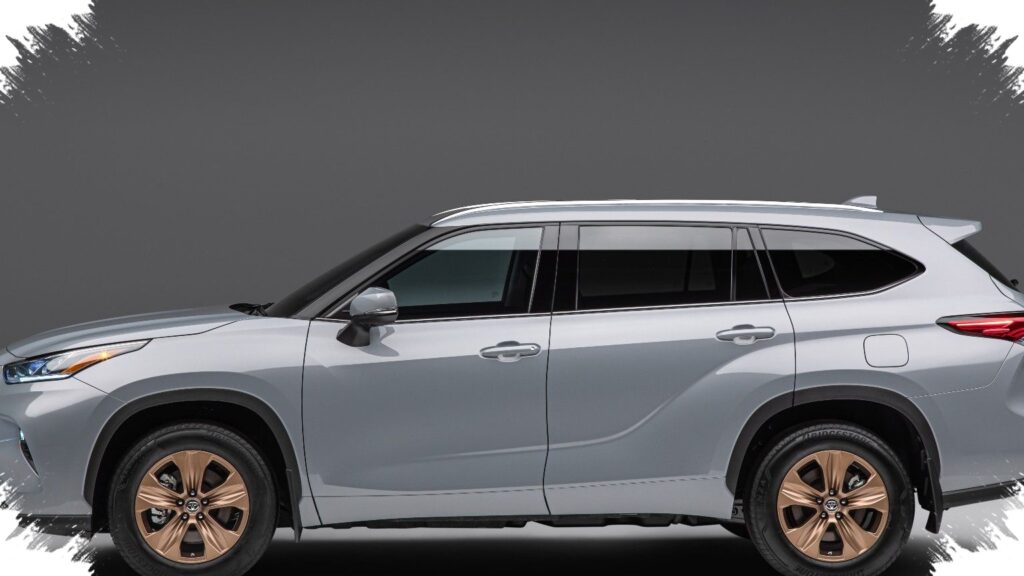
Toyota still appears to have the strongest hand in the 2026 hybrid SUV field, and the Corolla Cross Hybrid is the model that makes that position easiest to see. With a combined fuel consumption figure of 24-26 km/liter, it stands out as the most efficient option in its class.
That efficiency matters more as buyers look for one vehicle that can handle city traffic, hills, and daily commuting without sacrificing responsiveness. Hybrid SUVs are increasingly attractive because they can deliver instant electric assistance when needed, then switch to more efficient gasoline operation once the pace settles.
Efficiency remains the key battleground
Among the 2026 hybrid SUV lineup, the Corolla Cross Hybrid 2026 is powered by Toyota Hybrid System Generation 5. That system forms the basis of the model’s fuel-saving claim and helps place it at the top of the comparison list.
In the table of figures, the Corolla Cross HEV is even recorded with an estimated consumption of around 25 km/liter. It is also described as one of the most affordable hybrid SUVs in the segment, which strengthens its appeal for buyers who want practical value as much as low running costs.
What the rivals bring to the fight
Honda takes a different approach with the CR-V RS e:HEV 2026. Its estimated fuel consumption sits at around 21 km/liter, a competitive number for a larger SUV that focuses more on performance, comfort, and modern technology.
The CR-V RS e:HEV uses two electric motors that are said to provide smooth but strong acceleration, with a character described as comparable to a conventional 2.0L turbo engine. Honda also equips it with the latest Honda SENSING, which is said to support real-time 360-degree monitoring, while the cabin is made quieter through the latest Active Noise Cancellation development for the 2026 model.
A larger family option with a different focus
Hyundai’s Santa Fe Turbo Hybrid 2026 targets a different kind of buyer. Its estimated fuel consumption is around 18 km/liter, but it offers a 1.6L Turbo Hybrid engine described as capable on uphill routes.
The Santa Fe also comes with seven-seat capacity, a boxy design that looks both masculine and futuristic, and a seamless interior with a dual curved display. In the comparison table, it is noted to feature AWD and a dual curve display, two details that reinforce its position as a versatile SUV for family use.
Luxury still has a place in the segment
Lexus keeps the premium side of the market active with the NX 350h 2026. Its estimated fuel consumption is around 19 km/liter, and the focus is clearly on comfort and cabin quality rather than chasing the absolute lowest number.
The model uses Lexus’ self-charging hybrid system and highlights an ultra luxury interior as one of its main attractions. That makes it more suitable for buyers who want a premium driving experience without giving up efficiency entirely.
Toyota keeps the most balanced package
Across the current hybrid SUV lineup, the Corolla Cross Hybrid 2026 remains the most rational choice if fuel efficiency and value are the main priorities. Its 24-26 km/liter combined consumption, Toyota Safety Sense 3.0, and position as one of the more affordable models make it difficult to overlook.
Toyota Safety Sense 3.0 is also said to be more sensitive in detecting objects in the blind spot. That adds practical value beyond fuel savings, especially for everyday use in crowded traffic where driver assistance matters as much as efficiency.
The rest of the market shows how broad the hybrid SUV segment has become. The CR-V RS e:HEV leans toward a sportier driving feel, the Santa Fe Turbo Hybrid is built for families that need seven seats, and the Lexus NX 350h serves buyers who prioritize premium image and interior quality.
What remains unchanged is Toyota’s strength in efficiency, and that is why the Corolla Cross Hybrid 2026 continues to look like the most difficult rival to beat in its class.