


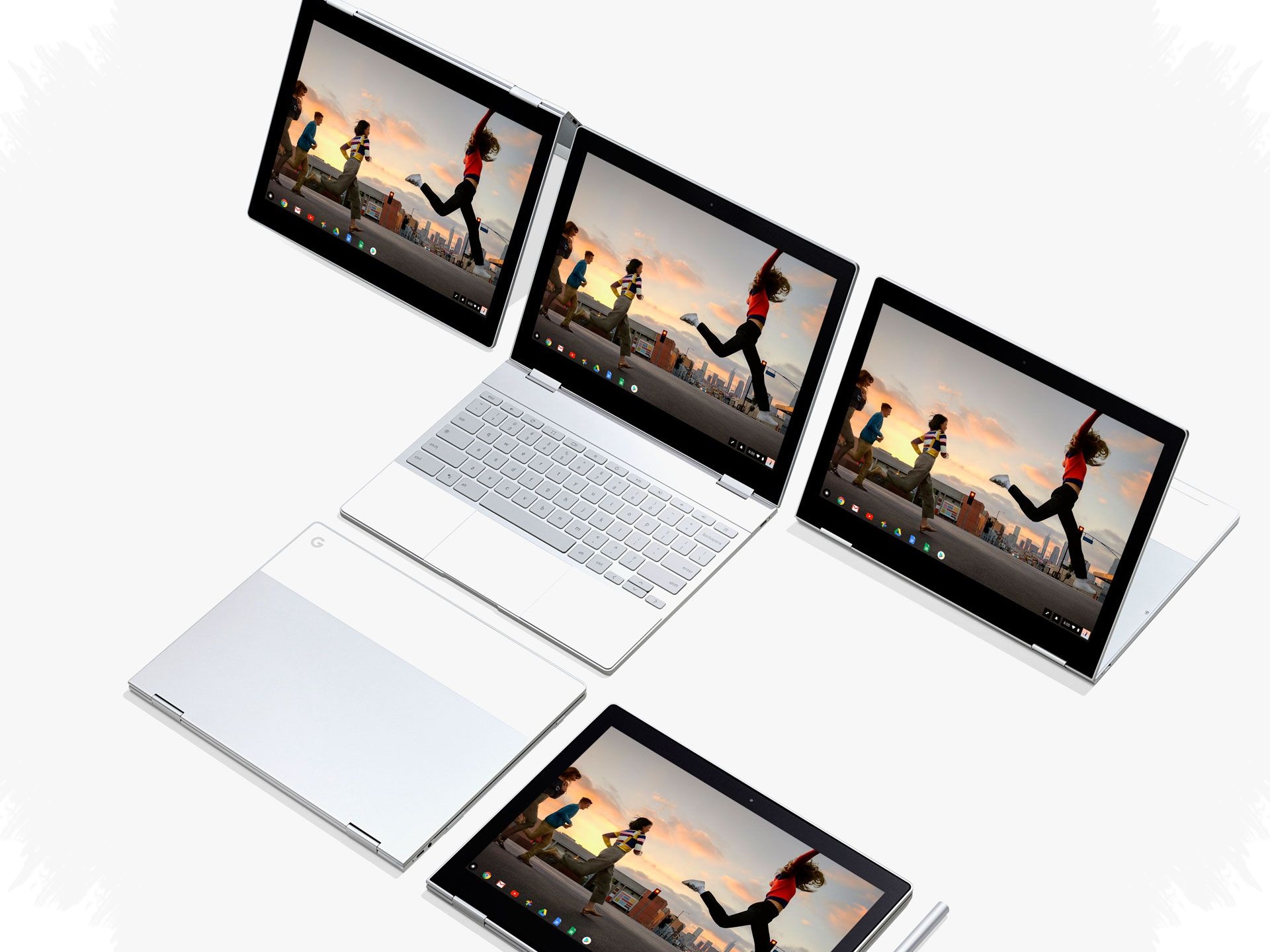
Google is trying to calm Chromebook buyers, but the company is also making it harder to ignore where its laptop strategy is heading next. For schools and businesses, the near-term message is stability, while the long-term signal points toward a new category called Googlebook.
That split message matters because Chromebook has long been the practical choice for institutions that need affordable, easy-to-manage laptops. Google is now assuring those customers that nothing urgent is changing, even as it starts to frame a more premium, AI-focused future for its notebook lineup.
Chromebook still has support behind it
In a recent post on the Google Cloud Blog, Google said it is taking a gradual approach over the next several years for companies and educational institutions. In practical terms, that means existing Chromebook customers are not being pushed into a sudden transition.
The company also said Chromebook remains a reliable long-term investment. Organizations can continue buying and deploying Chromebooks as usual, and Google said device management through the Google Admin console will continue without any new license requirement.
That reassurance is important for IT administrators who depend on low-cost laptops that are simple to control at scale. For many schools and businesses, that kind of continuity matters more than promises about a future platform that has not yet been fully defined.
Google also said ChromeOS automatic updates still apply for up to 10 years for customers with major investments in the ecosystem. It added that ChromeOS Flex can help extend the life of older PCs, giving organizations another option focused on efficiency and device management.
The short-term roadmap looks steady
Google has already confirmed that new Chromebook and Chromebook Plus devices will continue arriving through 2027. That detail helps remove any immediate concern that the category is being phased out.
Even so, most of the company’s latest comments focus on support and management rather than on a clear vision for Chromebook’s role beyond that point. After 2027, Google has not provided a specific guarantee about where the platform is headed.
For schools and businesses, that is a subtle but important distinction. The category is still alive, but Google is not presenting it as the centerpiece of its future laptop strategy.
Googlebook changes the tone
The shift became more noticeable when Google introduced Googlebook at The Android Show I/O Edition. The new product is positioned as a premium laptop built around AI and Gemini Intelligence.
Googlebook is described as offering personalized support, agentic tools, and tighter compatibility across Google’s device ecosystem. That makes it sound different from the simpler, more affordable Chromebook formula that has served education and enterprise customers for years.
Pricing details for Googlebook have not been revealed in any meaningful way. Still, the way Google is describing it does not suggest a one-to-one replacement for budget Chromebooks that dominate classrooms and many business fleets.
What Google is really saying
The most revealing line may be the one about transition paths. Google said that when the time comes, it will provide different routes to the new experience.
That does not mean schools and businesses are being told to leave Chromebook behind now. But it also does not sound like Googlebook will simply sit beside Chromebook without changing the broader direction of Google’s laptop plans.
For institutional buyers, that wording will likely be read carefully. They want to know not only whether current devices will keep working, but also whether the platform they are buying today will still be the company’s main bet in a few years.
For now, Google says no immediate action is needed. Organizations can also start working with Google or its partners to map out the best plan ahead of time.
The result is a message that is reassuring in the short term and more cautious over the long term. Chromebook is not going away right now, but Google’s attention is increasingly moving toward a future shaped by Googlebook.