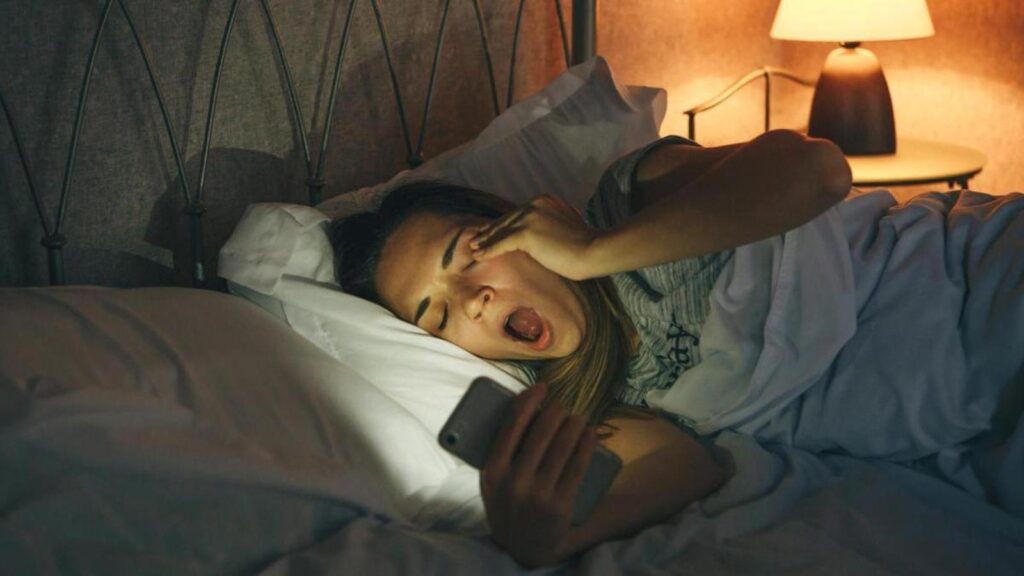
A phone that stays active late into the night can do more than delay sleep. It can keep the mind alert long after the body is ready to rest, making it harder to settle into a normal bedtime rhythm.
That is why limiting screen use before sleep has become a practical habit rather than a minor suggestion. Michelle Drerup of Cleveland Clinic notes that there is no strict rule for when a phone must be put away, but a one- to two-hour buffer before bed is a useful benchmark, and the same guidance also applies to tablets and TV.
Why a short screen break matters
The timing matters because the longer someone stays in front of a screen, the more likely bedtime gets pushed back. When that happens, sleep quality can drop as the body loses the chance to shift gradually into a calmer state.
It is not only the device itself that causes trouble. The way a person reacts to messages, alerts, and new content near bedtime can keep the brain in an alert mode even when the rest of the body is ready to slow down.
Notifications can keep the habit going
For many people, notifications are the main reason they pick up the phone again and again. Turning on “Do Not Disturb” can reduce that pull by silencing the device and cutting off the constant interruptions that encourage quick checking.
That simple step can make it easier to ignore messages, updates, and other items that can wait until morning. It also helps break the cycle of reacting to every incoming alert right before sleep.
The issue is not only blue light
Blue light from a screen can interfere with sleep by affecting the body’s internal clock and circadian rhythm. This 24-hour system helps the body feel sleepy at night and more alert in the morning.
At night, blue light can also lower melatonin, the hormone that helps regulate the sleep-wake cycle. When melatonin is disrupted, falling asleep can become more difficult, and the risk of insomnia may increase.
Even so, Drerup emphasizes that content and activity often matter just as much as the light itself. Watching, reading, or responding to something engaging on a phone can affect sleep more than the glow of the screen alone.
What keeps the brain awake at night
Late-night scrolling, stressful social media posts, and back-and-forth chats can delay drowsiness. These activities keep the mind active by introducing new information and pulling attention away from rest.
That mental stimulation can make it harder to enter a quiet sleep state. Instead of winding down, the brain stays busy processing what appears on the screen.
Active use of technology can also delay REM sleep. This stage is linked to dreaming, memory consolidation, emotional processing, and healthy brain development, and it usually occurs about 60 to 90 minutes after a person falls asleep.
When that stage is pushed back because the mind is still occupied with digital activity, overall sleep quality can suffer. The issue is not only how long a person stays awake, but also how smoothly the night progresses once sleep finally begins.
Mood can make the delay even worse
Bedtime is meant to be a calm transition into rest. Social media and other emotionally charged content can do the opposite by triggering stress, anxiety, irritation, or even excessive excitement.
Those reactions can keep a person awake longer and make it harder to settle down. A calmer evening routine can help create a smoother shift into sleep, especially when it avoids content that sparks strong emotional responses.
For that reason, stepping away from the phone before bed is not just about screen time itself. It is also about reducing mental stimulation at the moment when the body is supposed to move into rest.
Source: tekno.kompas.com